
Last updated November 24, 2026
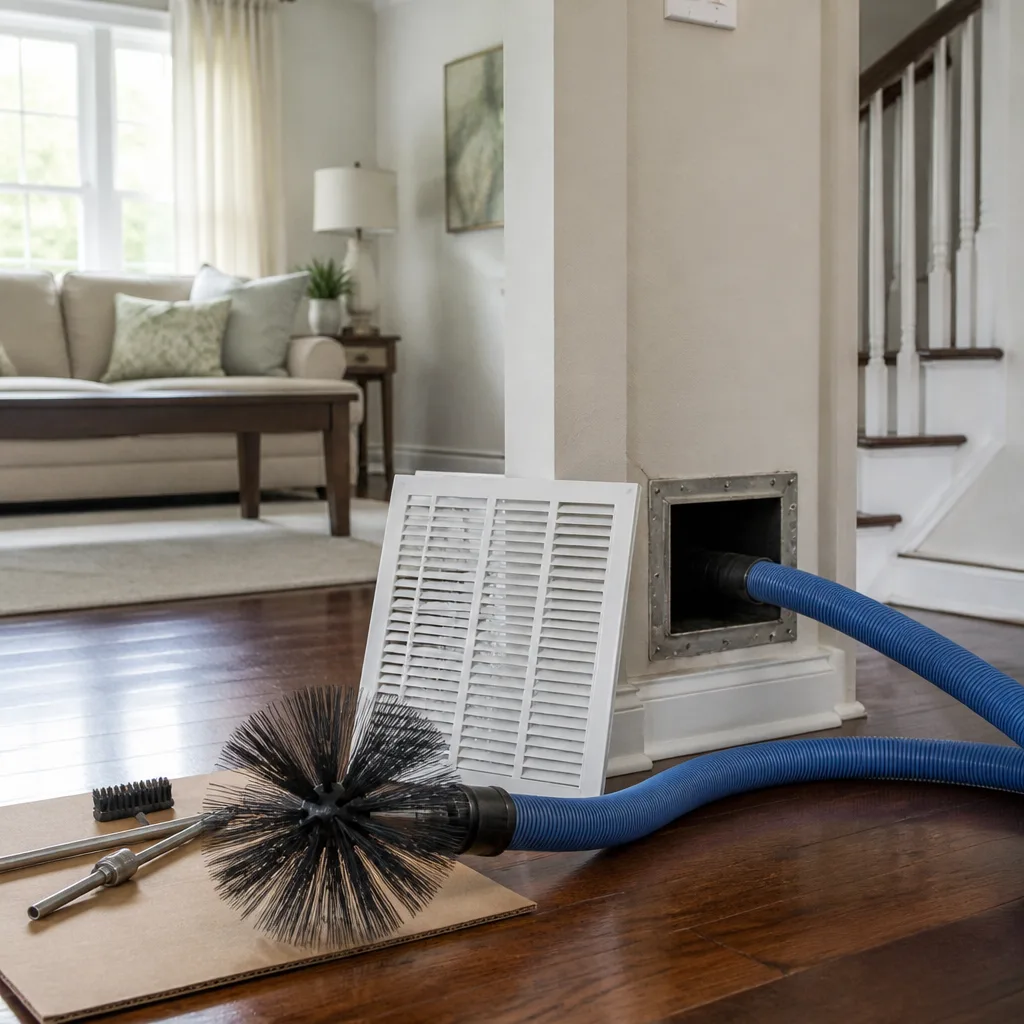 Whole-home duct cleaning
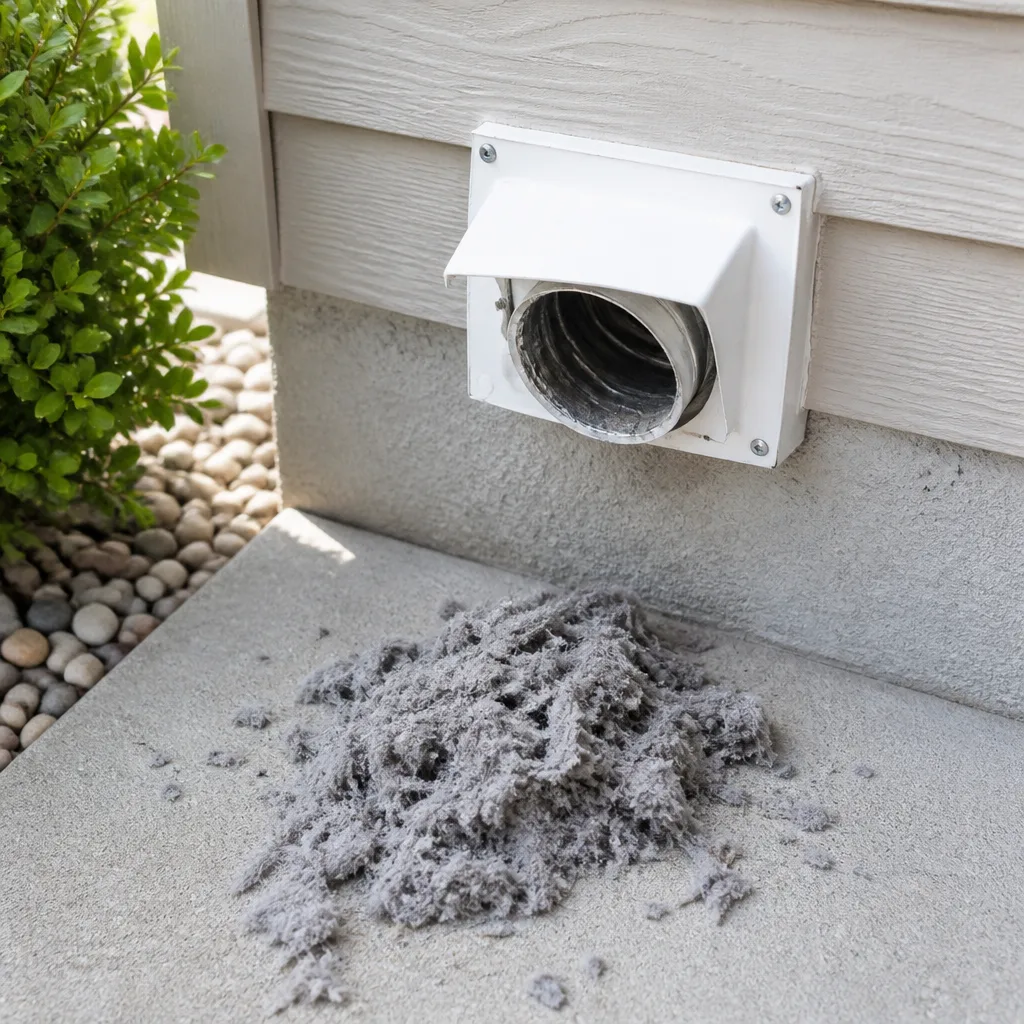 Dryer vent cleaning
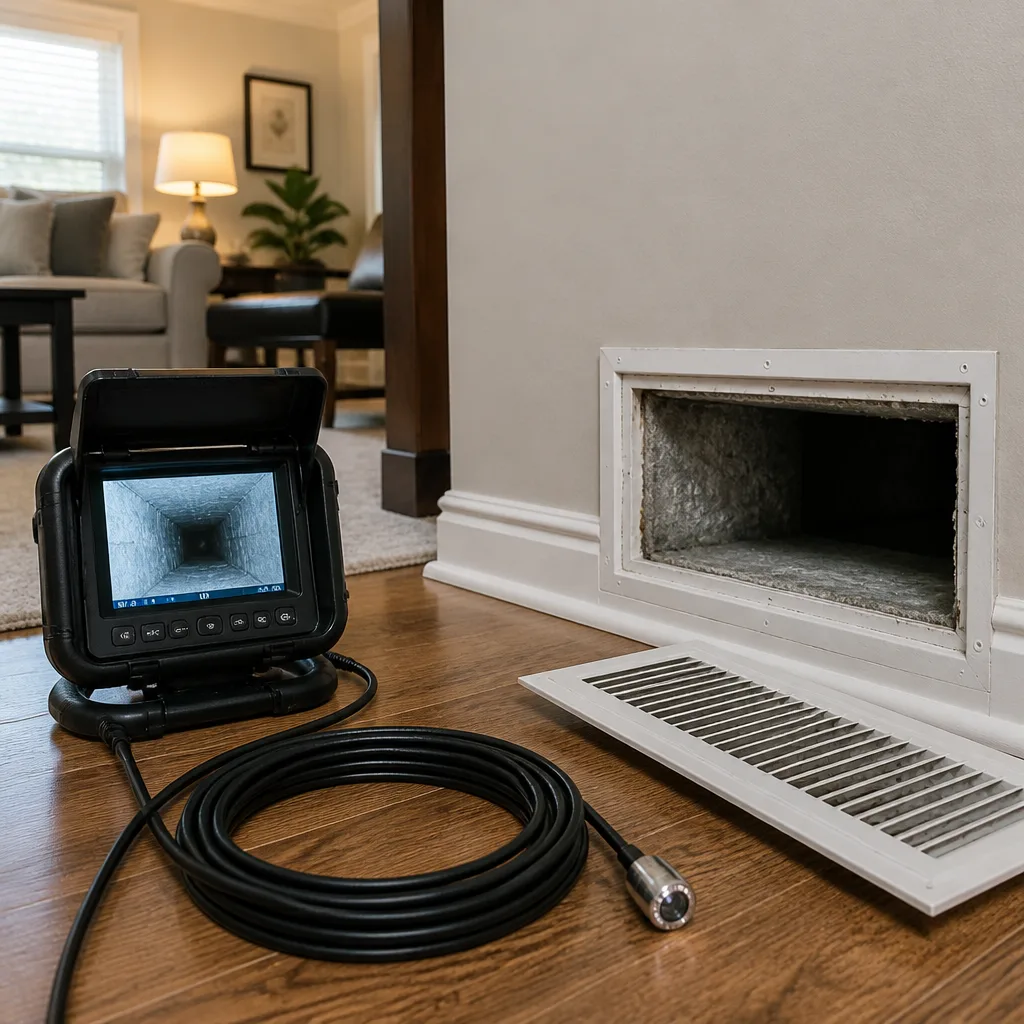 Camera inspection
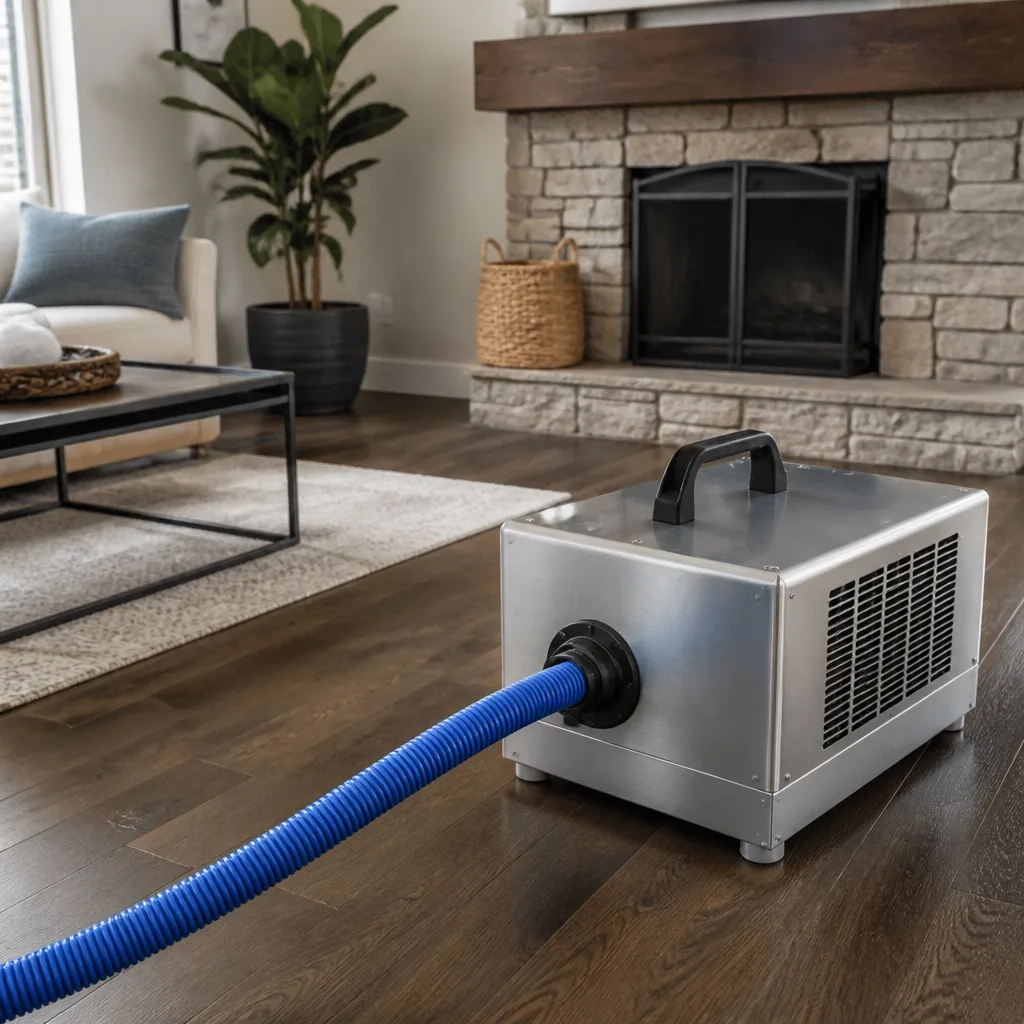 Sanitizing & deodorizing
Whole-system duct and dryer vent check with before-and-after photos - you see exactly what came out of your vents
That "$99 whole-house special" is a bait ad - the real number appears once they are in your hallway, or the "clean" is a shop-vac at the register. We photograph the inside of your ducts before and after instead.
Choosing the Right Air Duct Cleaning Brand: A Buyer’s Guide for Magnolia
Air duct cleaning has no licensing requirement in Washington State. That single fact changes how you should shop for it. A company can print a website, park a van, and call itself a duct cleaning specialist with nothing behind it but a shop vacuum and a phone number. Most homeowner guides tell you to check reviews and compare coupons. In our experience, that filter barely separates the capable from the marketing-confident. Brand selection here comes down to a harder question: can this company’s equipment actually reach and extract what’s growing inside your specific system? This guide walks through the operational criteria that matter in Magnolia, how to read a review for real signal, and what a company’s answers before you book reveal about the work.
Quick Answer
The right air duct cleaning company in Magnolia is the one whose equipment can reach and extract contamination from your specific duct system, not the one with the biggest ad budget. Look for professional-grade machinery, NADCA membership, detailed process explanations, and full-system capability that includes repair and sealing, not just surface cleaning. What you’re really buying is capability, and every filter in this guide points back to that. If you’d rather skip the research, Magnolia Air Duct Cleaning offers free written estimates for Magnolia homeowners at (877) 309-8232.
Styles & brands we work with
- Whole-home duct cleaning
- Dryer vent cleaning
- Camera inspection
- Sanitizing & deodorizing
Table of Contents
- Why brand selection works differently in air duct cleaning
- The equipment that actually separates capable companies from cleaning crews
- How to read online reviews for real signal
- Why local specialization matters in Magnolia
- What a company’s willingness to explain its process tells you
- Full-system service versus single-service cleaning
- Questions to ask before you book
- What pricing should actually look like
Why brand selection works differently in air duct cleaning
Most home services have some gatekeeping. Electricians need a license. Plumbers undergo inspections. Heating and air conditioning contractors take exams and hold state credentials. Air duct cleaning has no such gate in Washington. The barrier to entry is a website and a phone number, which means the market includes genuine specialists and general cleaning crews who added duct work to a menu, and everything between.
That absence of a license changes your filtering strategy. You can’t verify a credential because there usually isn’t one to check. You have to verify capability instead. Specifically, you want evidence that a company can:
- Reach the full duct run, not just the register openings you can see
- Extract dislodged debris with sufficient vacuum and filtration
- Identify and address the source of contamination, not just the debris itself
- Recognize when a duct run has failed and needs repair, not just a cleaning pass
In our experience, those four capabilities separate a company that cleans ductwork from a company that happens to own a vacuum. The questions in this guide test for them. The reviews guide below helps you find evidence of them. The pricing section explains how to tell whether you’re getting a per-system quote or a coupon that grows into something larger once the technician is on site. That last problem has burned enough homeowners that suspicion now comes standard with the industry, and it’s earned.
The equipment that actually separates capable companies from cleaning crews
Ask a duct cleaning company what equipment they run. Listen for brand names you recognize from the professional side of the industry. If the answer is vague, or if they describe a shop vacuum with a hose extension, you’ve learned what you need to know.
Professional duct cleaning relies on purpose-built machinery. Rotobrush systems use rotating brush heads that agitate and loosen contamination from duct walls while a high-powered vacuum pulls it toward the collection point. Nikro systems supply the heavy negative-pressure equipment and filtration that capture what gets dislodged, so it leaves your home instead of settling back into the air. Both are built for this one job. Neither resembles the equipment a household owns or a general cleaning crew carries.
Magnolia Air Duct Cleaning operates Rotobrush and Nikro systems because those brands were designed for duct work, not adapted to it. We also carry Abatement Technologies air filtration equipment, which matters when a system shows heavier contamination, or when there’s moisture, pest activity, or mold in the ducts. That’s not routine cleaning capability. It’s remediation capability, and you want a company that has it on hand for the day your ducts need it.
Equipment is the foundation, but the equipment has to reach the right places. A professional-grade system in the wrong hands is still a bad outcome. That’s why the interview matters as much as the machinery: who works on your system, how were they trained, and can the company describe the actual process without hand-waving. Industry association membership is one useful signal you can check. NADCA, the National Air Duct Cleaners Association, sets equipment and training standards, and a company that follows its practices tends to talk about process in specific terms.
How to read online reviews for real signal
Star ratings tell you almost nothing in this trade. Anyone can farm reviews. What you’re reading for is whether the person writing them actually had a service experience, or is describing a phone call and a feeling.
A generic positive review reads like: “Great company, friendly, would use again.” That could describe a plumbing visit, a sofa delivery, or a genuine duct cleaning. It doesn’t tell you whether the work happened, how it happened, or what the technician found.
A specific review reads differently. It mentions what was found in the ducts, or what the technician explained. It might describe the before-and-after photos they were shown. It could mention the number of systems cleaned, how long it took, how the house looked afterward, or a concern the company addressed on the spot. That kind of detail is hard to fake across dozens of reviews, and when you see it repeat, it signals a real service.
Look for these patterns when reading reviews for duct cleaning in Magnolia:
- Reviews that name what was found (debris, construction dust, pet hair, moisture) rather than just praise
- Mentions of before-and-after photos, a documented process, or an inspection report
- Descriptions of a technician explaining findings rather than just completing the job
- Whether the reviewer describes a full visit or just the phone call and price
- Whether the reviewer was quoted one price and charged another, which should send you running
Also look at how a company responds. A company that answers reviews with specific follow-up, or takes the time to explain what happened, is a company that treats the relationship as real. A company that ignores reviews entirely, or answers every one with the same cut-and-paste reply, tells you something about how they run the operation. Pay attention to the ratio of specific to generic too. If every review reads like a template, the reviews are probably a template.
Why local specialization matters in Magnolia
Magnolia sits on a hill above Puget Sound, and its housing stock reflects a long history of development. Older homes, many built through the middle of the twentieth century, sit alongside newer construction and mid-century remodels. That variety matters for air duct cleaning because the same cleaning method doesn’t fit every system.
Older homes in Magnolia often have ductwork that was retrofitted, not designed in from the start. Runs take unexpected turns. Sections may be smaller than modern standards. Some homes have transitions between original sheet metal and later flex duct, and the joints between them are common points of air loss. A company that works in Magnolia regularly knows to look for that. This is also why duct repair and sealing matters as much as cleaning. Debris removal on a system that’s leaking air through a dozen failed joints is half a job.
Crawl space access is another factor. Many Magnolia homes route at least part of the duct system through a crawl space, and crawl spaces here are often tight, damp, and hard to reach. A company that can’t physically get to a duct run can’t clean it. The technicians who work on your system need equipment sized for the access you have, not just the equipment described in a brochure.
Our technicians have up to 10 years of experience working in Puget Sound area homes, including plenty of Magnolia systems with retrofitted layouts and crawl space runs. That experience shapes what we bring on a given visit and what we look for before we start. It also means when a duct run needs repair, we can address it as part of the same visit rather than handing you a phone number for someone else.
Ask a prospective company how many Magnolia homes they’ve worked in. Ask what crawl space configurations they typically encounter. Ask how they handle a system that mixes original metal and later flex sections. The answers will be specific, or they won’t be.
What a company’s willingness to explain its process tells you
Before you book, ask the company to describe, in detail, how they clean a system. Not the philosophy. The process. What they do first. What equipment they start with. How they protect the home. How they handle a duct run with a lot of contamination. What happens if they find damage.
The answer tells you more than any review. A company with real depth will describe the process without flinching. They’ll tell you how they set up negative pressure, how they agitate the duct walls, how they handle the branches off the main trunk, how they protect the living space, and what the technician reports when the work is done. They’ll have an inspection sequence. They’ll know what they look for in a system before they start cleaning.
A company that operates a sales operation will give you something else. Emphasis on pricing and speed. A vague description of “professional cleaning.” A pivot toward what the customer should do (sign now, call now) rather than what the work involves. If you press and still get the vague answer, you have your answer.
Here’s the process we describe, and you should expect any capable company to describe something similar:
- Inspection first. We look at the system before we clean it, including the trunk, the branches, the registers, the air handler, and any accessible crawl space runs. We’re looking for damage, disconnected joints, moisture, and signs of pest or mold activity.
- Protected setup. We protect the living space before we start. Floor coverings, containment around register openings, and negative pressure from the vacuum system so airborne debris is captured rather than spread.
- Agitation and extraction. We work the Rotobrush system through each duct run to loosen contamination from the walls, while the Nikro vacuum pulls it into collection. Agitation and extraction work together, not one after the other.
- Air handler and registers. The registers and air handler are part of the system and require attention as part of the cleaning. Cleaning the ducts but leaving the air handler untouched is a partial job.
- Inspection and description. After the cleaning, we show you what we found. If there’s a failed joint, a damaged section, or contamination we can’t resolve with cleaning alone, we tell you and describe what fixing it would involve.
- Repair and sealing if needed. If the system has leaks or damage, we can address it as part of the same engagement rather than handing you off to another contractor.
That last step is the one most companies don’t offer. A company that can only clean is a company that leaves the root cause in place.
Full-system service versus single-service cleaning
Many companies do one thing: air duct cleaning. That’s a legitimate business, but it’s an incomplete answer to a system that has multiple problems. A full-system company covers the whole picture:
- Air duct cleaning for the supply and return runs
- Dryer vent cleaning, a standalone safety service because lint accumulation in dryer vents is one of the leading causes of residential fires
- HVAC cleaning for the air handler and the components that move air through the system
- Duct repair and sealing for air loss, disconnected joints, and damaged sections
- Air quality and sanitizing for contamination that cleaning alone won’t resolve
The distinction matters over time. A single-service cleaning crew cleans your ducts today and can’t tell you much about what comes next. A full-system specialist sees the whole picture in one visit. If a duct run has failed, if the air handler needs cleaning, if the dryer vent is overdue, you find out now, not six months from now when you call someone else.
Magnolia Air Duct Cleaning built its service around the full air duct ecosystem because we don’t believe a partial job serves anyone. We don’t just clean. We inspect, seal, repair, and sanitize the full system. That often means one visit, one point of contact, and the full picture. It also means the technician you’re talking to understands how the pieces fit, not just the cleaning step.
We also work with Honeywell and Aprilaire whole-home air quality systems, which most duct cleaning companies don’t. If you have one of those systems, the technician needs to understand how it integrates with your ductwork before touching anything. That’s a level of familiarity with premium equipment that only comes from doing the work. Guardsman products round out our toolkit for the cleaning and treatment side of the job.
Questions to ask before you book
Use these questions to interview a company before scheduling. The answers will tell you quickly whether you’re dealing with a specialist or a sales operation. Keep a written record of the answers; if the written estimate that follows doesn’t match, you know what you’re dealing with.
- What equipment do you use, and what brands? A capable company names the equipment. Rotobrush, Nikro, and Abatement Technologies are names that signal professional capability, not consumer or improvised tools.
- Are you a member of NADCA? NADCA sets equipment and training standards. Membership is a meaningful signal of process discipline.
- What does your process look like, start to finish? Listen for inspection, protection, agitation and extraction, air handler cleaning, and post-cleaning inspection. If any of those steps is missing, ask why.
- Can you clean the air handler as well as the ducts? A full-system cleaning includes the air handler. If they say that’s a separate service or they don’t do it, that’s a gap.
- Do you offer repair and sealing? If the answer is no, be prepared to call a second contractor for any duct issues found. If the answer is yes, ask what that work involves and how they’d handle a failed joint.
- What’s the estimate, and is it per system or per vent? One flat price per system, agreed in writing before work starts. Per-vent pricing typically means a small quoted number that grows once the technician is counting vents on site.
- Will you show me before-and-after photos of my system? A company that documents the work will document the system it worked on. Ask for photos of your own ducts, not stock photos.
- Can you describe what you’d look for in a Magnolia home? The answer will reveal familiarity with local housing stock, retrofitted systems, and crawl space configurations.
A company that gives specific, non-defensive answers to all eight is a company you can work with. One that gives vague answers to three or four is a company to keep looking past.
What pricing should actually look like
Air duct cleaning pricing in the Puget Sound area varies, but you should be able to get a flat estimate for the whole system before anyone comes out. That estimate should be in writing, and it should be the price you pay. Anything else is a warning sign.
The pattern to watch for is a low advertised number that grows once the technician is on site. A coupon price that turns into a walkthrough with add-on fees for the air handler, the returns, the registers, or the “extra” work needed to do the job right. This is the bait-and-switch reputation that haunts this industry, and it’s why the written estimate matters.
Here’s what a legitimate quote looks like:
- Flat price per system, stated before the work begins, not per vent or per register
- Itemized so you can see what’s covered, including the air handler if it’s included
- Written, so there’s no ambiguity after the fact
- Honest about what’s not included, such as repair and sealing if the system has failed joints, which would be a separate conversation based on what’s found
We give Magnolia homeowners a free written estimate for the system, and one flat price per system agreed before work starts. We don’t quote per vent. We show before-and-after photos of your ducts so you can see what was done, and we back the work with a satisfaction guarantee. That’s the version of the transaction the industry should all be running. When it does, the bait-and-switch reputation fades.
If you’re in Magnolia and you want an honest number for the system you actually have, call (877) 309-8232. We’ll schedule a time to look at the system and give you a written estimate before anything starts.
Common Mistakes to Avoid
- Choosing on price alone. A low number that grows on site is a false economy. One flat price per system, agreed in writing, is the comparison that actually matters. The cheapest quote is often the most expensive visit.
- Not asking about equipment. If a company can’t name the equipment it uses, or describes a shop vacuum and a hose extension, it doesn’t have the capability to reach and extract contamination across the full system.
- Skipping the air handler. The registers and the air handler are part of your system. Cleaning the ductwork but leaving them untouched is a partial job that misses a large portion of the contamination.
- Assuming licensing. Washington State doesn’t license air duct cleaning. Don’t assume a company is vetted because it shows up in search. Verify the operational criteria in this guide. That’s a different filter than the one you’d use for a plumber or electrician.
- Ignoring reviews with specificity. Generic five-star reviews tell you nothing. Look for reviews describing what was found, what was explained, and whether the visit went the way the quote said it would.
- Only looking for cleaning. If the company can’t repair, seal, or sanitize, you’ll need another call the moment a joint fails or contamination shows up. Full-system capability is a filter worth applying before you book.
- Not understanding Magnolia housing stock. Older Magnolia homes often have retrofitted duct systems and crawl space runs. A company that hasn’t worked in homes like yours may miss access issues and duct configurations you didn’t know you had.
See the difference
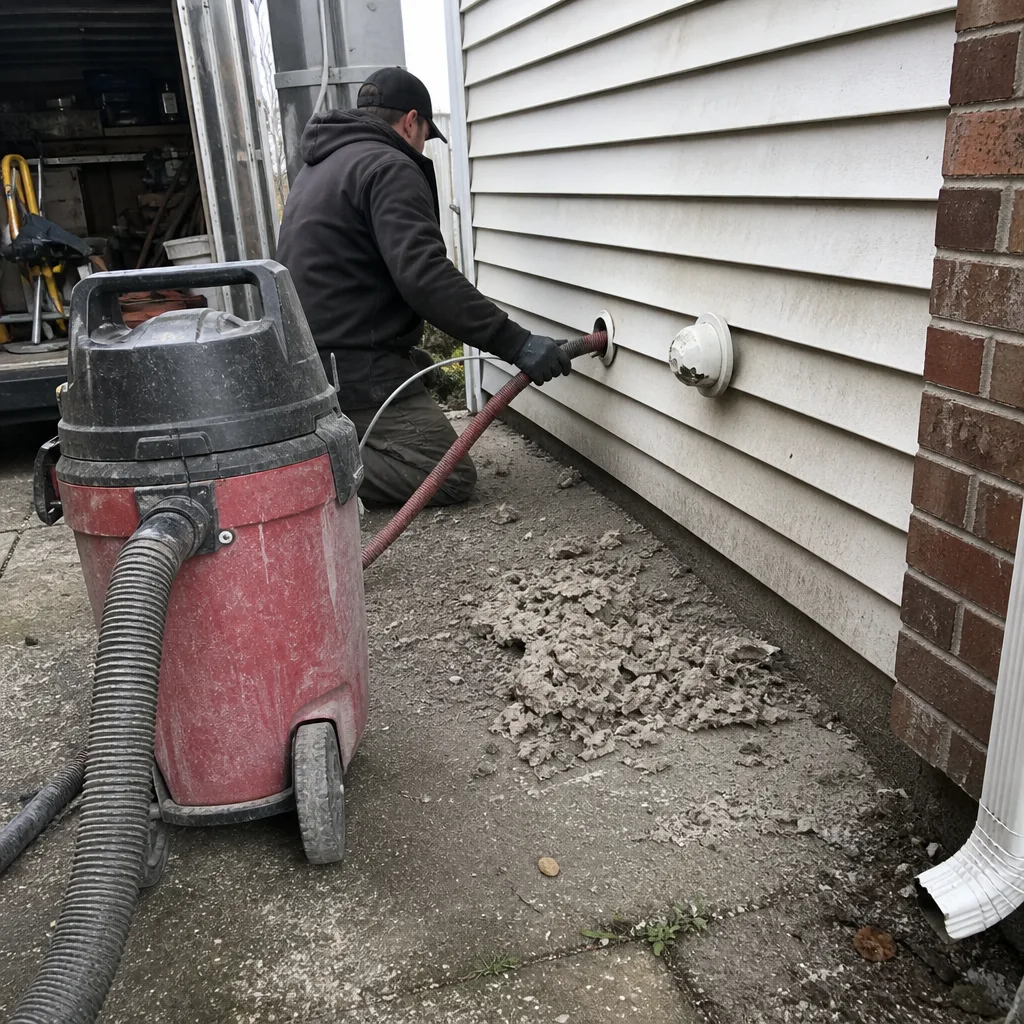 Before
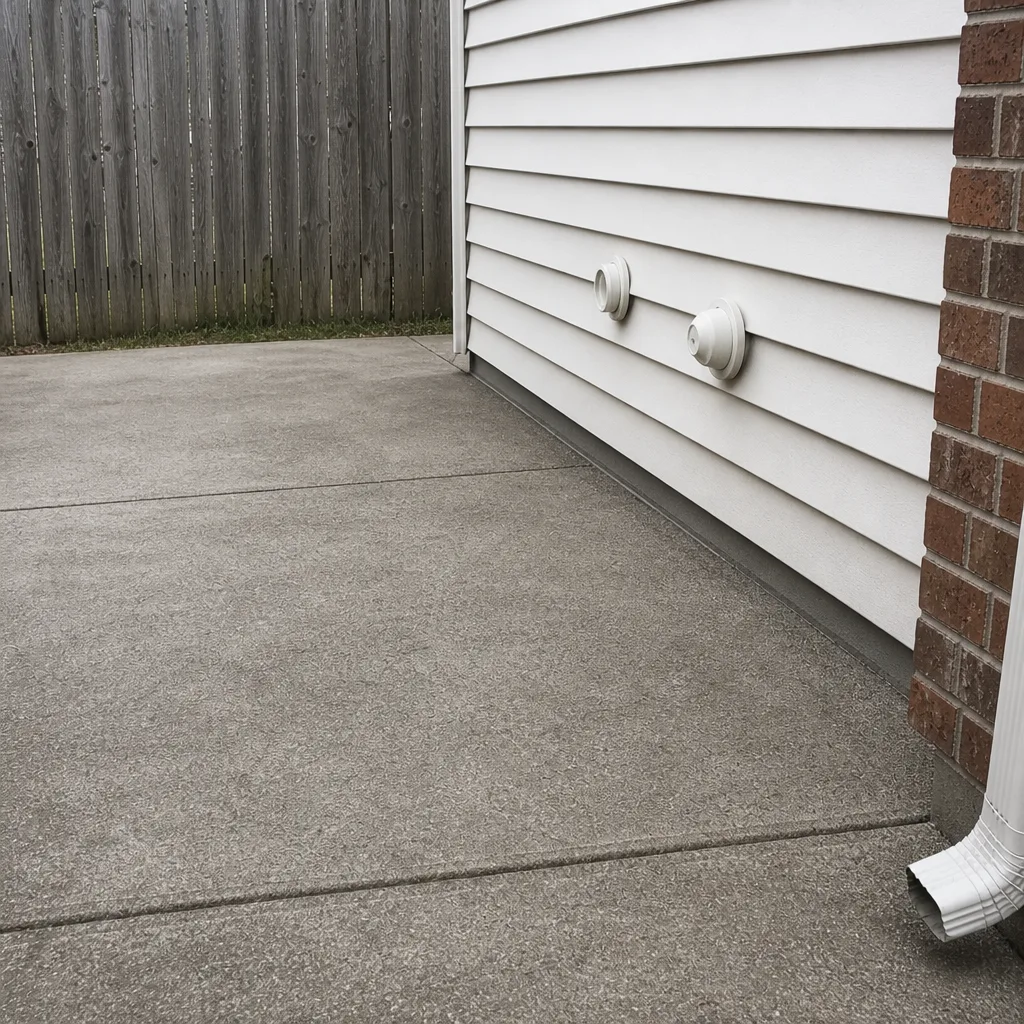 After
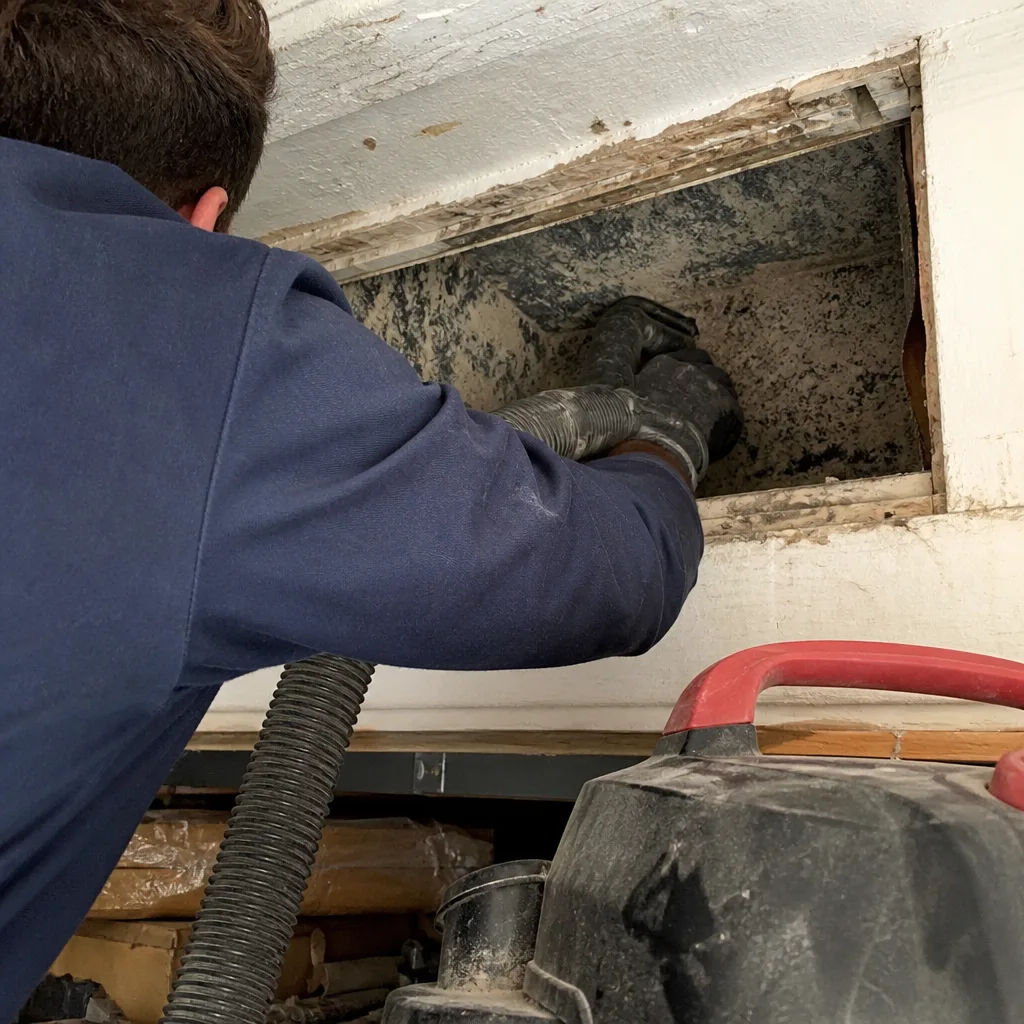 Before
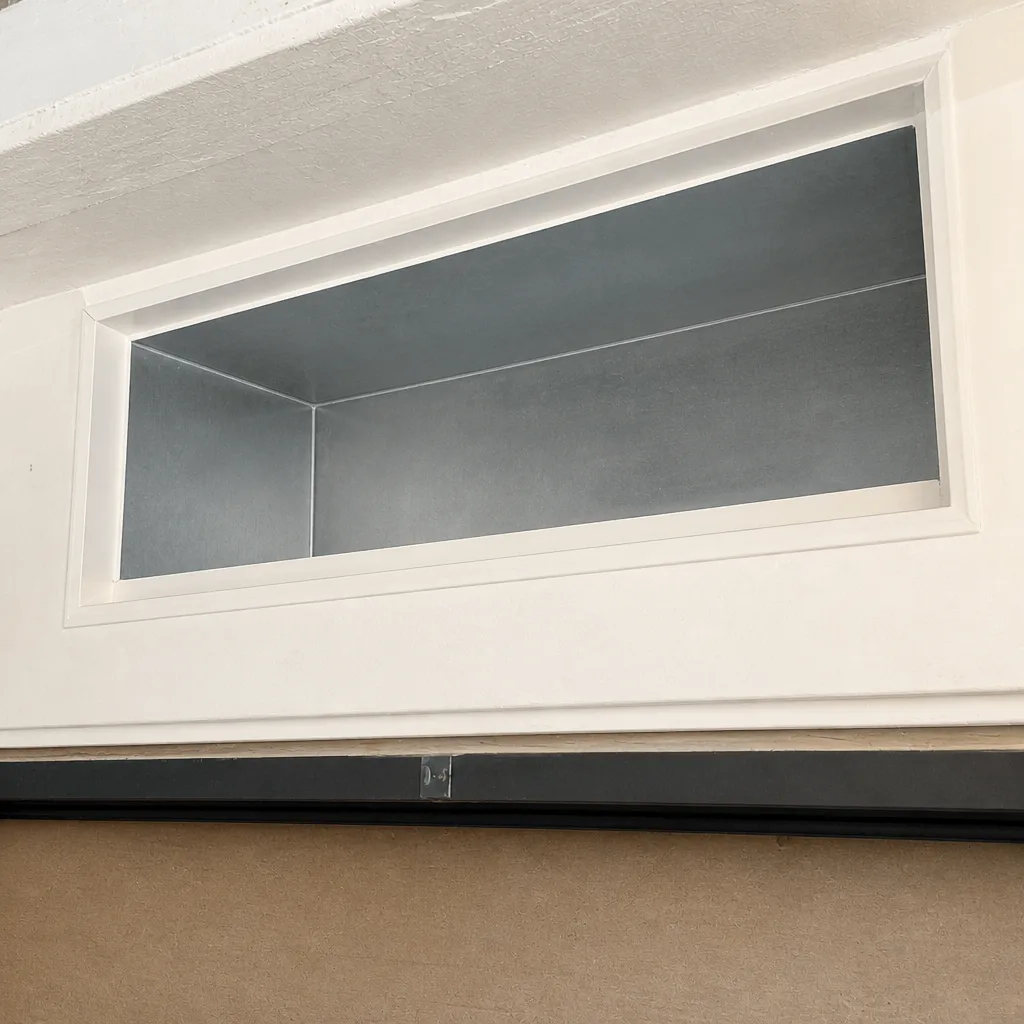 After
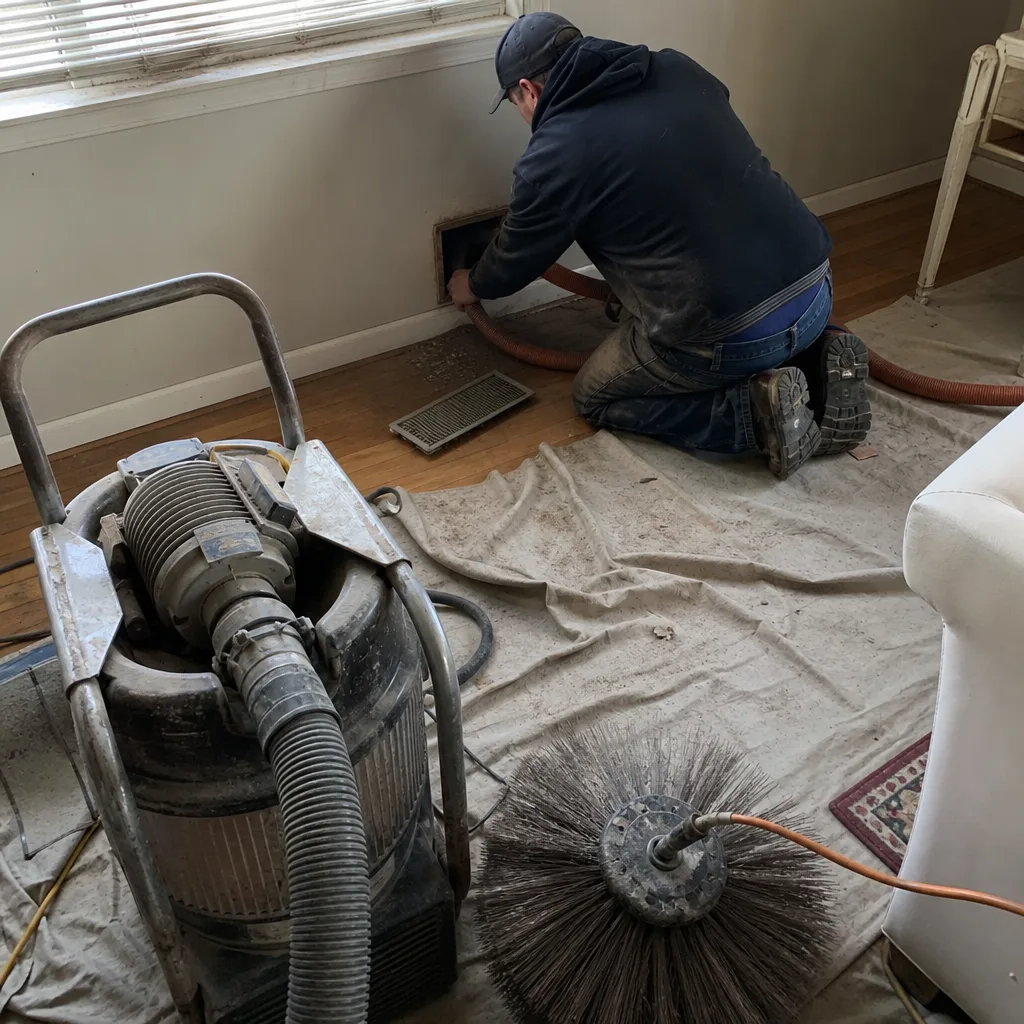 Before
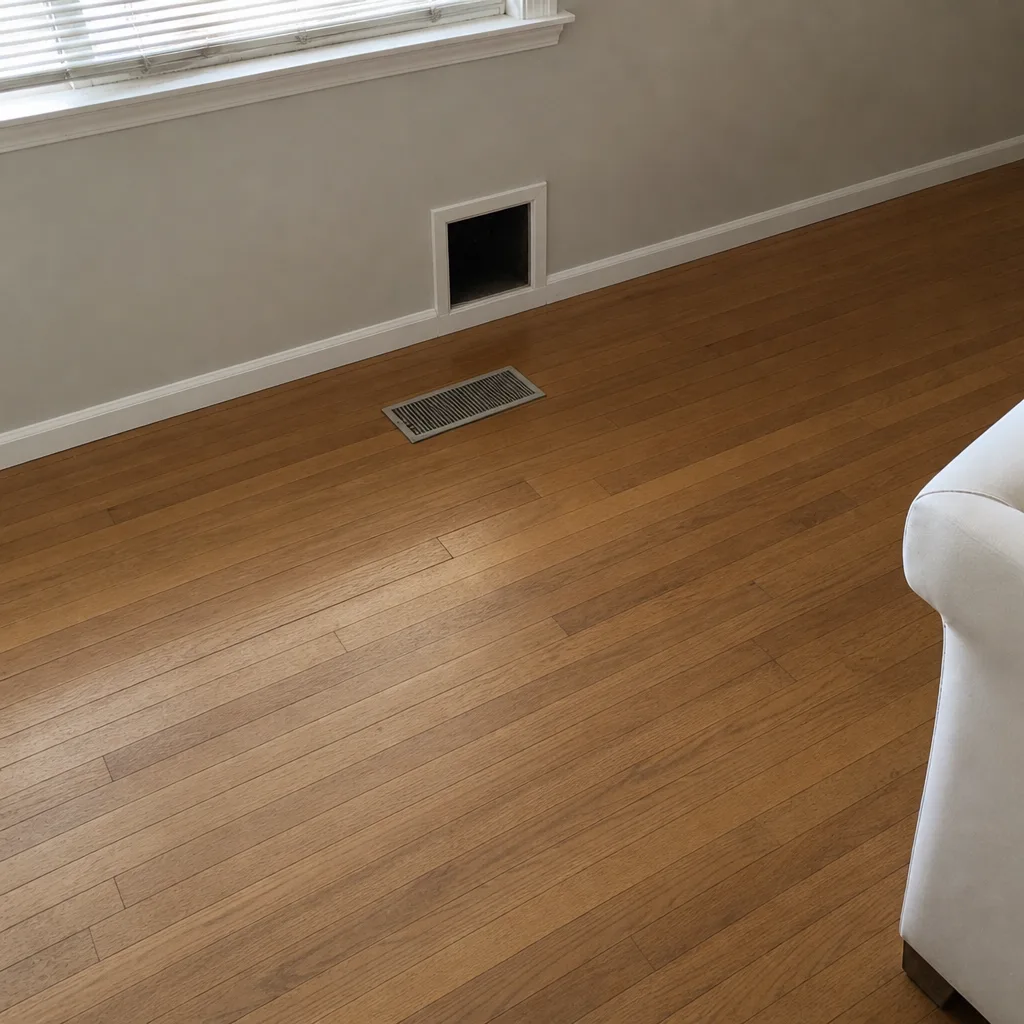 After
When to Call a Professional
Call a professional duct cleaning service when you see visible dust or debris around the registers, when you notice a musty or stale smell that doesn’t resolve with better filtration, when the system has never been cleaned and your home has any age to it, or when someone in the household has allergies or asthma and the air quality inside doesn’t match the effort you’re putting into filtration. Call if your dryer is taking longer to dry a load, or if your HVAC system has been running harder than usual for no obvious reason. Call if you’ve moved into a Magnolia home and don’t know when the ducts were last cleaned, or if the system has failed joints that need repair and sealing. Magnolia Air Duct Cleaning offers free estimates in Magnolia, and we can arrange one for the system you have. Call (877) 309-8232. We answer 24/7. Fast dispatch from 7am to 7pm, Sunday through Friday.
Frequently Asked Questions
Air duct cleaning in Magnolia is priced per system, not per vent, and the exact number depends on the system size and configuration. For an honest written estimate, call (877) 309-8232. Estimates are free.
Very low advertised prices are usually introductory numbers that grow once the technician is on site, with add-ons for the air handler, returns, or other items, and they rarely end at the advertised amount. A single flat price per system, agreed in writing before work begins, is the comparison that matters. Call (877) 309-8232 for an honest quote.
Ask for before-and-after photos of your own ducts, not stock images, and ask for a description of what was found and cleaned. A capable company documents the work and can show you. Magnolia Air Duct Cleaning provides both as part of every job. Call (877) 309-8232 to schedule an estimate.
Most homes benefit from a professional cleaning every three to five years, and homes with pets, recent renovations, allergy-sufferers, or long stretches between cleanings often benefit from more frequent attention. The schedule is a starting point; the system itself tells you more. Call (877) 309-8232 and we’ll look at yours.
Air duct cleaning has no licensing requirement in Washington State, so the barrier to entry is low and capability varies widely. That’s why the operational criteria in this guide (equipment, NADCA membership, process detail, and full-system capability) matter more than any single credential. Call (877) 309-8232 for a free written estimate from a company that meets them.
Yes. We work on Magnolia systems with crawl space runs, including older homes with retrofitted duct layouts and mixed sheet metal and flex sections. Reachability and equipment sizing are part of the estimate. Call (877) 309-8232 to have your system looked at.
The Bottom Line
The right air duct cleaning company in Magnolia is the one whose equipment can reach and extract contamination from your specific system, not the one with the largest ad budget or the most five-star reviews. Verify equipment (Rotobrush, Nikro, and Abatement Technologies are signals worth knowing), check NADCA membership, ask for a detailed process description, and pick a company that offers full-system capability including repair, sealing, and sanitizing. Read reviews for specificity, not the star count. Ask about Magnolia housing stock and crawl space access. Get a flat price per system in writing before anything starts. Then book with confidence. That’s the whole filter, and it works.
If you’d rather skip the research, Magnolia Air Duct Cleaning covers all of it. We work the full duct ecosystem, from air duct cleaning through HVAC cleaning, with dryer vent cleaning as a standalone safety service and duct repair and sealing when the system needs it. We run professional-grade Rotobrush and Nikro systems, carry Abatement Technologies filtration equipment for elevated scenarios, and work with Honeywell and Aprilaire whole-home equipment. Our technicians have up to 10 years of experience. We give written estimates, one flat price per system, before-and-after photos of your ducts, and a satisfaction guarantee. That’s the version of this transaction that should be standard across Magnolia. If you want to start with a free estimate, call (877) 309-8232. We answer 24/7. Fast dispatch from 7am to 7pm, Sunday through Friday. You can also start by reading more about Magnolia Air Duct Cleaning and what we do.
Written by the team at Magnolia Air Duct Cleaning.