
Last updated November 24, 2026
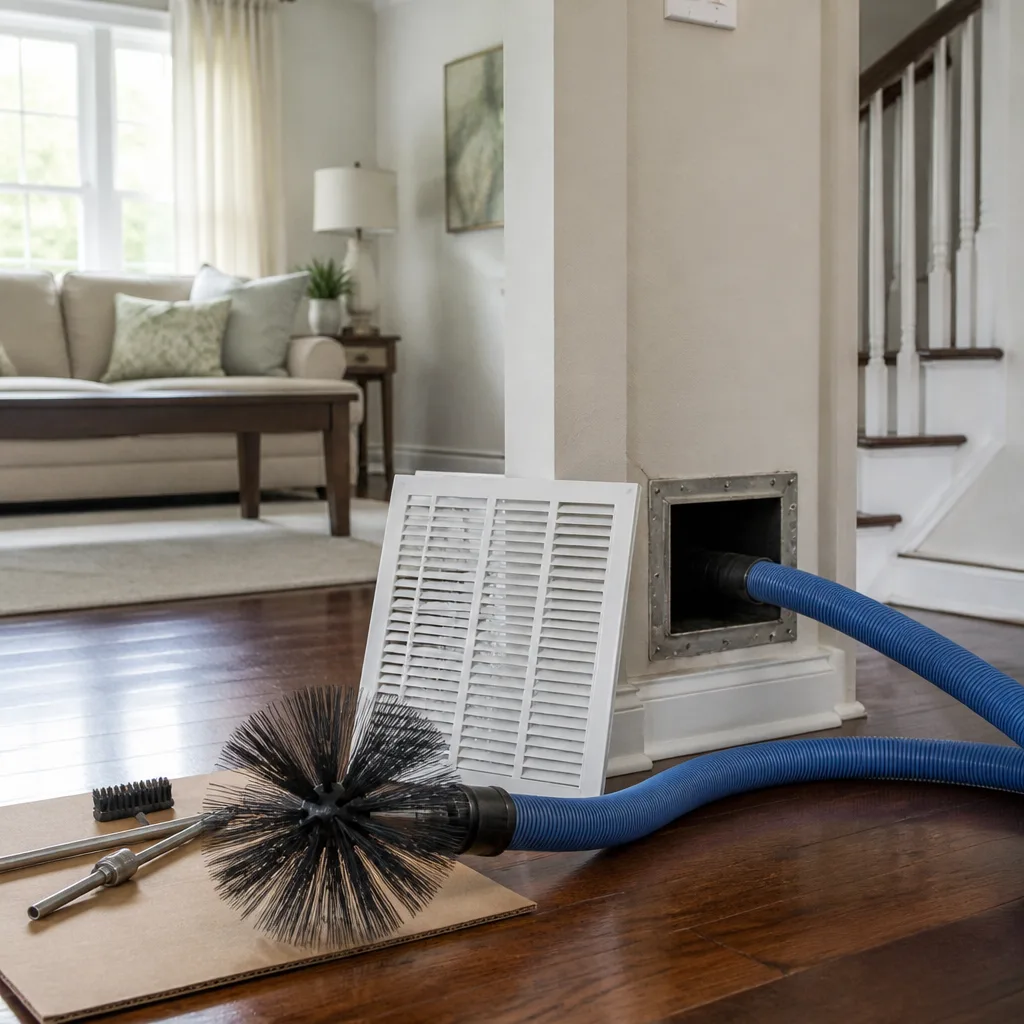 Whole-home duct cleaning
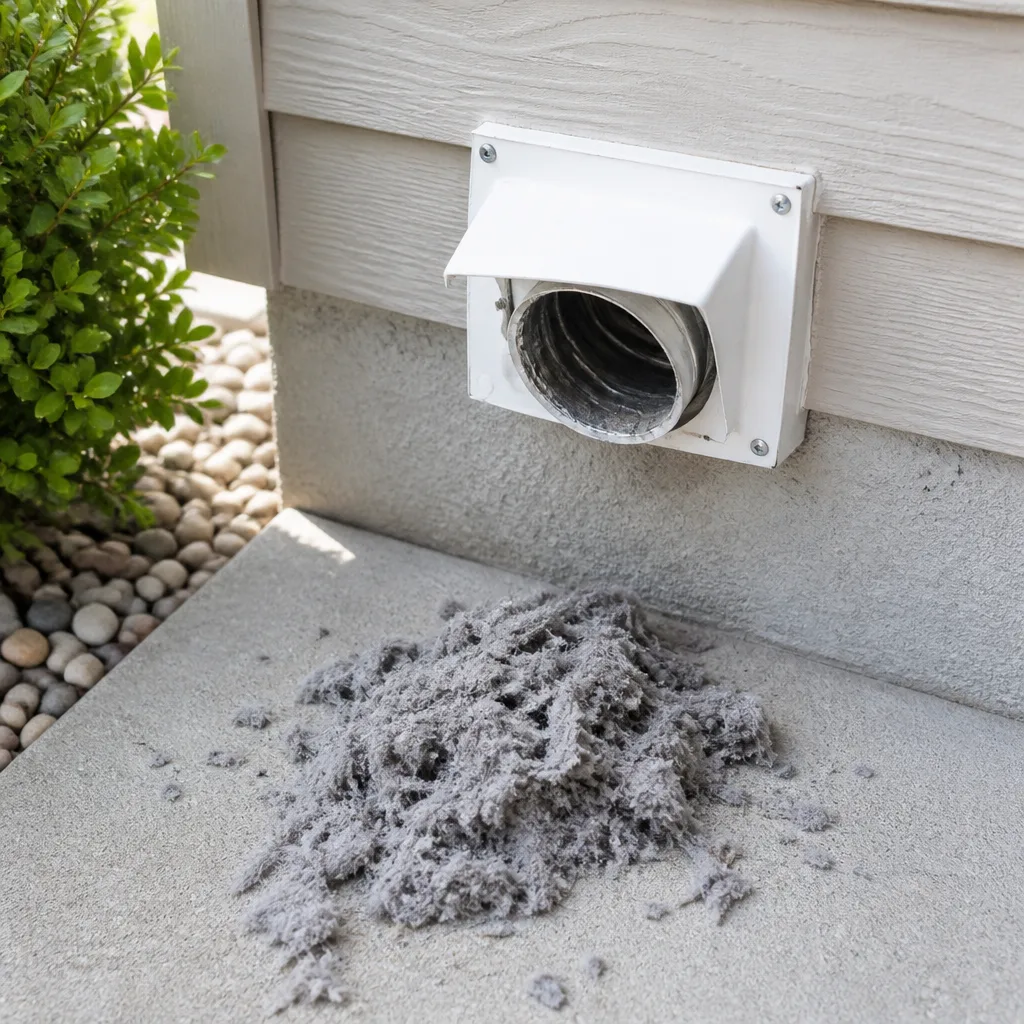 Dryer vent cleaning
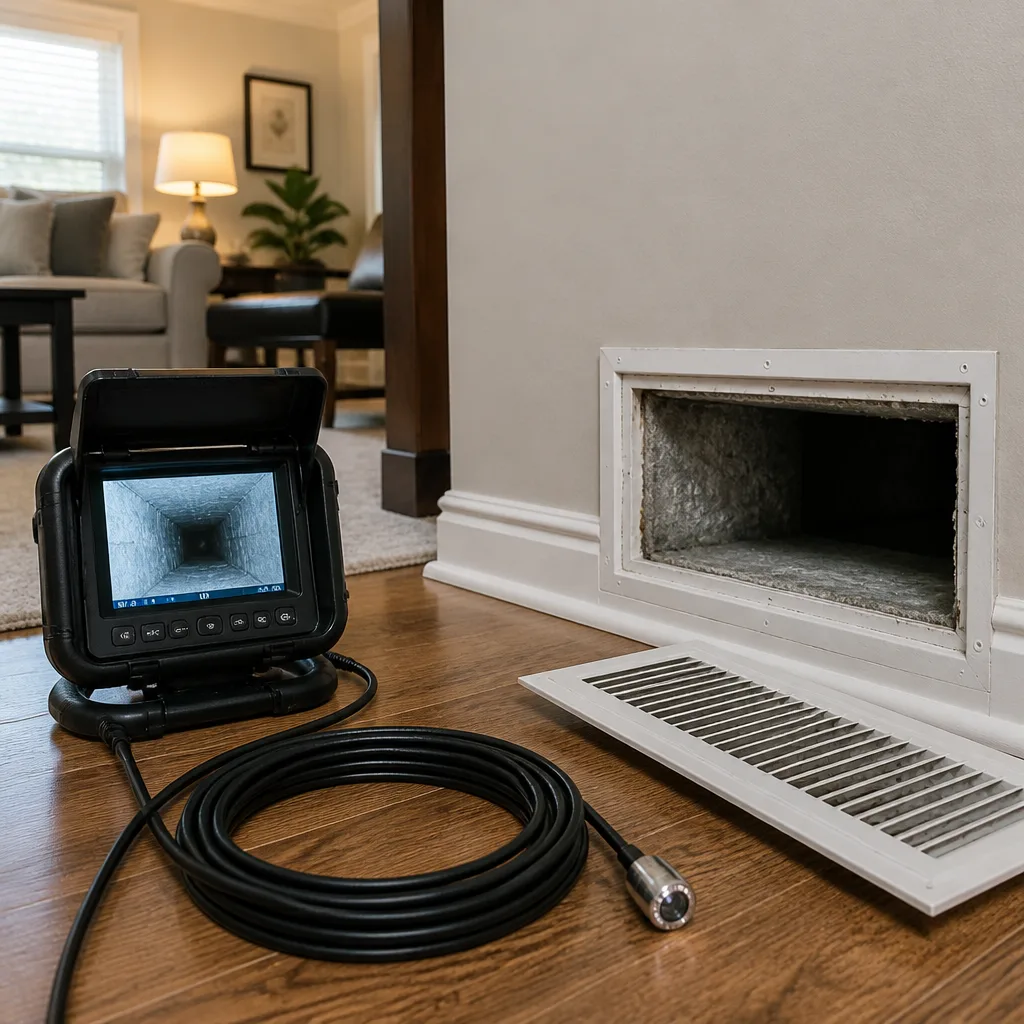 Camera inspection
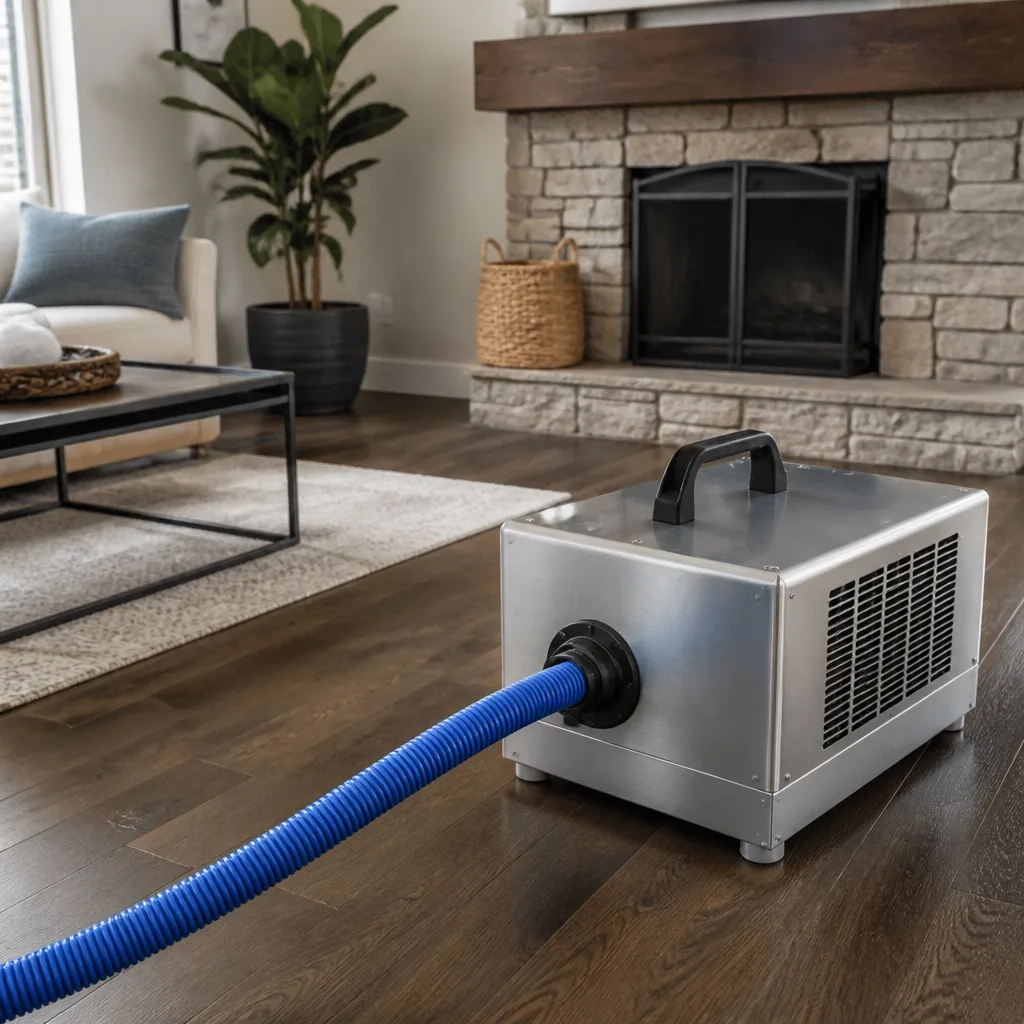 Sanitizing & deodorizing
Whole-system duct and dryer vent check with before-and-after photos - you see exactly what came out of your vents
That "$99 whole-house special" is a bait ad - the real number appears once they are in your hallway, or the "clean" is a shop-vac at the register. We photograph the inside of your ducts before and after instead.
DIY vs Professional Air Duct Cleaning: The Magnolia Homeowner’s Decision Guide
Most homeowners assume the gap between DIY and professional duct cleaning comes down to elbow grease. It doesn’t. A shop vac and a vent brush can reach the first stretch of a register, but the average supply run in a Magnolia home continues well beyond that point, and a consumer vacuum cannot hold sustained negative pressure across twenty feet of channel. Push debris with a brush and a weak suction and you often drive it deeper rather than out. This guide lays out exactly what consumer tools can and cannot do, which maintenance tasks you can safely handle yourself, and the specific situations where professional equipment is the only answer. We’ll also show you where Magnolia Air Duct Cleaning fits into that picture.
Quick Answer
You can and should clean your own supply registers, change your filters on schedule, and clear a dryer vent with the right tools. What you cannot do with consumer equipment is clean a full duct system, because professional results depend on sustained negative pressure and rotating brush heads that reach the entire run. Attempting it with a shop vac typically moves debris toward the air handler instead of removing it, and on flex or lined duct it can tear the interior lining and create a new contamination source.
Styles & brands we work with
- Whole-home duct cleaning
- Dryer vent cleaning
- Camera inspection
- Sanitizing & deodorizing
Table of Contents
- What Consumer Duct Cleaning Tools Can Actually Do
- The Geometry Problem: Why Duct Length Matters in Magnolia Homes
- Legitimate DIY Tasks That Are Genuinely Worth Doing
- When Professional Cleaning Is Non-Negotiable
- How DIY Attempts Damage Flex and Lined Duct
- The Real Cost-Benefit: Registers vs. the Full System
- What Professional Equipment Actually Does Differently
- A Decision Framework for Your Home
What Consumer Duct Cleaning Tools Can Actually Do
Consumer duct cleaning products fall into three categories, and each one has a genuine but narrow use. None of them clean a full duct system.
- Brush kits attached to a drill or flexible rod. Useful for the first 3 to 5 feet of a straight register drop. A rotating brush loosens surface dust, and the attached vacuum catches some of it. Past the first elbow, the rod loses reach and the brush starts bending instead of turning.
- Portable wet/dry vacuums (shop vacs). A typical shop vac moves a strong burst of air at the nozzle but cannot sustain that suction through a long, wide supply trunk. The pressure drops quickly as the run gets longer. In practice, suction at the register is not suction at the far end of the duct.
- Compressed air cans and leaf blowers. These don’t remove anything. They loosen dust and push it down the line. On a duct system, that means debris settles against the air handler or blows back into living space through other registers.
The common thread is reach and sustained pressure. A brush that fits into a 4-inch register opening can feasibly reach the first connection point. What it cannot do is contact the full interior surface of a run that continues twenty or more feet, then pull that loosened material out of the system in one direction. Professional-grade Rotobrush and Nikro systems are built specifically around that two-part job: agitate the whole run with a rotating head, then hold constant negative pressure at the collection point so nothing escapes into the house. That combination is what separates a real cleaning from a surface wipe inside the wall cavity.
The word “consumer” is the key, not “attached to a drill.” A brush kit spun on a drill rod is a real tool. It just isn’t the tool for anything beyond the first reachable stretch.
The Geometry Problem: Why Duct Length Matters in Magnolia Homes
Duct runs in Magnolia homes typically extend 20 to 40 feet from a supply register back to the air handler, and often more on a two-story home with a trunk-and-branch layout. That distance is the reason consumer tools fall short of a full cleaning.
Here’s how the geometry plays out on a typical supply run:
- The register is at the wall or floor. Behind it is a short transition, then a takeoff from the trunk line.
- The takeoff meets the main trunk, which itself runs the length of the house.
- The trunk feeds the air handler, which sits behind a filter and often a coil.
- The return side runs back through its own set of ducts to draw air back in.
A brush-and-shop-vac approach cleans maybe the first two stages. But most of the settled dust and debris lives in the trunk line and in the branches nearest the air handler, not at the register face. That’s the part of the system you can’t see and the part most people miss.
Magnolia’s climate adds another layer. Our damp winters and humid shoulder seasons mean the interior of ductwork cycles between cool and warm, and condensation can collect on metal surfaces when warm humid air meets a cold duct. That condensation is where dust turns into something sticky enough to hold onto dirt instead of letting it pass through the filter. A register wipe doesn’t touch that deposit. Neither does a gentle pass with a hand brush. If you lift the register and see an even gray coating that extends down past the first elbow, you’re looking at the type of buildup that a full-system cleaning is designed to remove. air duct cleaning in this kind of climate is less about the visible register and more about the hidden run behind it.
Legitimate DIY Tasks That Are Genuinely Worth Doing
Plenty of maintenance around the duct system is entirely manageable yourself, and doing it well extends the time between professional cleanings. These four tasks are worth doing on a regular schedule:
- Clean the supply and return registers. Remove the grille (usually a couple of screws or a snap fit), wash it in warm soapy water, dry it, and wipe the frame and the first lip of the duct opening with a damp cloth. Do this at the start of each heating season and again in spring.
- Change the furnace/air handler filter on schedule. A clogged filter forces the system to pull harder and lets more dust pass around the edges. Follow the filter manufacturer’s interval, and check it sooner if you’ve had recent construction or a pet shedding heavily. This is the single highest-return DIY task on the list.
- Vacuum around return air grilles and the air handler cabinet. Dust that settles on the outside of the cabinet gets pulled in through seams and gaps. A quick vac-and-wipe of the surrounding area helps keep the intake clean.
- Clear the dryer vent on a regular schedule. This is a safety task, not an air quality task. Lint buildup in a dryer vent is one of the leading causes of residential fires, and you can manage the accessible portion yourself with a vent brush and a vacuum. dryer vent cleaning as a professional service goes further because it removes the compacted lint that collects at elbows and along the full exterior run, but the routine home check is a real DIY job.
What these tasks have in common: they all happen at the register or at a surface you can see. None of them require reaching into a long duct run.
What they don’t replace: a full-system cleaning. Even with perfect register hygiene and a fresh filter, the trunk lines, branches, and air handler interior don’t get cleaned. Those are the parts that need professional equipment.
And one thing to check while you’re at a register: if you notice a strong musty smell, visible staining, or insect activity at the grille, stop the DIY routine and get a professional assessment. Those aren’t maintenance items.
When Professional Cleaning Is Non-Negotiable
There are specific situations where a consumer tool should never be used on the duct system, regardless of budget. Four of them come up most often in Magnolia homes.
- After major renovation or construction. Drywall dust, sawdust, and gypsum powder settle deep into every duct run. It’s fine enough to coat surfaces and thick enough to clog filters within a day or two. A shop vac at the registers won’t reach it. The only reliable way to clear it is a full-system cleaning with sustained negative pressure so the fine particles don’t blow back into living space.
- Suspected mold or moisture damage. If the musty smell persists after cleaning the registers and changing the filter, there’s moisture in the system. Cleaning the surface without addressing the moisture source just lets it return. Professional assessment needs to identify where the moisture is coming from and confirm what’s actually growing. Products like Abatement Technologies air filtration equipment are used in these scenarios for a reason: they give the technician the ability to control contamination rather than just move it around.
- Pest contamination. Rodent droppings, insect casing, and nesting material in a duct run present a real health concern. Rodent-contaminated ducts shouldn’t be brushed by a homeowner with a hand brush because the debris can be aerosolized and blow back into the room. Professional cleaning with containment, then sanitizing, is the appropriate step.
- No cleaning in over a decade. When there’s ten years or more of accumulated debris, the system isn’t just dirty at the register. The trunk lines have built up material that a full-system cleaning can lift and remove in a way a shop vac cannot.
If any of these describe your home, the DIY consideration ends. A register wipe is not a cleaning, and on contaminated systems, a half-measure can make the air quality worse rather than better.
How DIY Attempts Damage Flex and Lined Duct
The most expensive mistake in DIY duct cleaning isn’t the cleaning that doesn’t work. It’s the cleaning that does damage.
Many Magnolia homes have flex duct in the attic runs and in branch takeoffs, and some systems use insulated rigid duct with an interior acoustic lining. Both have a soft interior surface. A homeowner-fed brush on a drill rod, especially a stiff brush, can catch on the interior liner and tear it. Once the liner tears:
- The fiberglass or acoustic material underneath is exposed, and it becomes a collection point for dust and moisture.
- Loose fibers can enter the airstream and blow into living space through registers.
- The tear creates a low-pressure pocket where debris accumulates and where the rest of the system can’t effectively be cleaned.
A brush spun by a professional-grade machine is designed to be gentler and more controllable than a homeowner drill rod because the technician has the pressure dialed to match the duct type. Rotobrush systems, in particular, are built to clean flex and lined duct without excessive force. A shop vac hose jammed into a flex run can also fold or kink the duct, which reduces airflow to that register permanently until it’s repaired.
This is why HVAC cleaning and duct cleaning are done together by a specialist: the technician can inspect the flex joints, identify damage, and repair or reseal them in the same visit rather than leaving a new problem behind. Duct repair and sealing are part of the same conversation, not a separate call.
The rule of thumb: if you can see the interior of the duct from the register face and it’s rigid metal, a light register cleaning is safe. If the interior is soft, flexible, or lined, leave it alone.
The Real Cost-Benefit: Registers vs. the Full System
The cost-benefit question is often framed as “how much do I save by doing it myself.” The clearer framing is “what am I actually buying in each case.”
| Task | DIY capability | What you get |
|---|---|---|
| Register and grille cleaning | Full | Removes visible dust from the entry point. No effect on duct interior. |
| Filter replacement | Full | Protects the air handler and keeps dust from recirculating. High return. |
| Dryer vent clear (accessible portion) | Partial | Clears the straight run. Elbows and exterior termination need a professional pass. |
| Full duct system cleaning | Not achievable | Requires sustained negative pressure and rotating brush heads over the whole run. |
| Post-renovation debris removal | Not achievable | Fine drywall dust needs containment and full-system extraction. |
| Mold, pest, or heavy buildup remediation | Not achievable | Needs professional assessment, cleaning, and often sanitizing. |
Where DIY wins clearly: registers, filters, and the accessible portion of the dryer vent. Those are cheap, effective, and repeatable. Where it falls short: everything past the first elbow.
The risk of attempting full-system cleaning yourself isn’t primarily the money spent on consumer tools. It’s the potential cost of repairing a torn flex liner, resealing damaged joints, or clearing a system where debris was pushed toward the air handler instead of out. Duct repair and sealing on a flex branch can run into the hundreds of dollars per run depending on access. The savings from skipping professional cleaning rarely cover that.
If you’re not sure where your system falls on that chart, have it assessed. Magnolia Air Duct Cleaning gives free estimates and will tell you plainly whether the system needs cleaning or just maintenance. Call (877) 309-8232.
What Professional Equipment Actually Does Differently
It’s easy to describe professional duct cleaning as “a bigger vacuum.” That undersells it. The equipment works differently at a fundamental level.
Here’s what changes when professional equipment is on the job:
- Sustained negative pressure across the full run. A professional system creates a constant pressure differential at the trunk so the whole duct system is being pulled toward the collection point while the brush is working. Consumer vacuums drop pressure quickly as the connected volume increases.
- Rotating brush heads sized to the duct. Rotobrush systems use brushes that match the interior diameter of the duct and rotate at a rate that agitates dust off the surface without tearing the liner. The brush is fed the full length of the run rather than just the reachable portion.
- Containment for contaminated systems. When there’s mold, pest contamination, or heavy post-renovation debris, Abatement Technologies air filtration equipment controls the airstream so contaminated material doesn’t spread into living space during the cleaning.
- Full-system scope in one visit. Cleaning, duct repair and sealing, HVAC cleaning, and sanitizing can all happen in a single engagement rather than requiring a second company for the follow-up work.
- System-aware cleaning around premium equipment. Homes with Honeywell or Aprilaire whole-home air quality systems need cleaning that respects the equipment rather than just blowing air past it.
Magnolia Air Duct Cleaning works with all of these systems because the cleaning outcome depends on them. Nikro and Rotobrush handle the extraction work, and the technicians have up to 10 years of experience matching equipment to duct type. When issues turn up during cleaning, the repair and sealing capability means they get resolved in the same visit rather than scheduled separately.
A Decision Framework for Your Home
Aggregate the guide to a practical decision. Ask yourself these questions and the path is usually clear.
- Has the system been cleaned in the last five to seven years? If yes, and registers are clean and the filters are maintained, you’re likely fine with DIY maintenance. If no, schedule an assessment.
- Have you had renovation in the last two years? If yes, get professional cleaning. Fine construction dust in the system doesn’t clear itself.
- Is there a persistent musty smell or visible staining at the registers? Professional assessment first. Don’t brush into it.
- Are there signs of pests (droppings, insect casing, nesting material)? Professional cleaning and sanitizing. Not a DIY job.
- Is the duct system flex or lined? Keep DIY to the register. Don’t feed a brush into the run.
- Is your filter documented and changed on schedule? If not, start there before any cleaning decision.
If you answer “yes” to any of the professional scenarios, get an estimate. If not, clean your registers, stay on top of the filter, and check the dryer vent. That’s the plan for a well-maintained Magnolia home.
Common Mistakes to Avoid
- Pushing a brush further than the first elbow. A homeowner-fed drill rod reaches about 3 to 5 feet before it loses control and starts buckling. Fed further, it can tear a liner or fold a flex run. Stop at the first connection point.
- Using a leaf blower or compressed air in a duct opening. Both push debris into the system. On a humid Magnolia day, that debris settles against the air handler or blows back into the room through another register.
- Skipping the filter for months at a time. A clogged filter is the most common cause of dust buildup downstream. If you’re wondering why the registers seem dirty, check the filter first.
- Assuming register cleaning equals duct cleaning. Clean grilles look better but the trunk line is untouched. The visible portion is never the whole story.
- Attempting duct cleaning after renovation with consumer tools. Drywall dust needs containment that consumer vacuums don’t provide. It will recirculate through the house for days afterward.
- Ignoring a persistent musty smell. If the smell doesn’t clear after cleaning the registers, the source is inside the system. That’s an assessment scenario, not a cleaning scenario.
- Forgetting the dryer vent on the maintenance calendar. Lint accumulation is one of the leading causes of residential fires. The accessible portion can be DIY; the exterior run and elbows deserve a professional pass.
See the difference
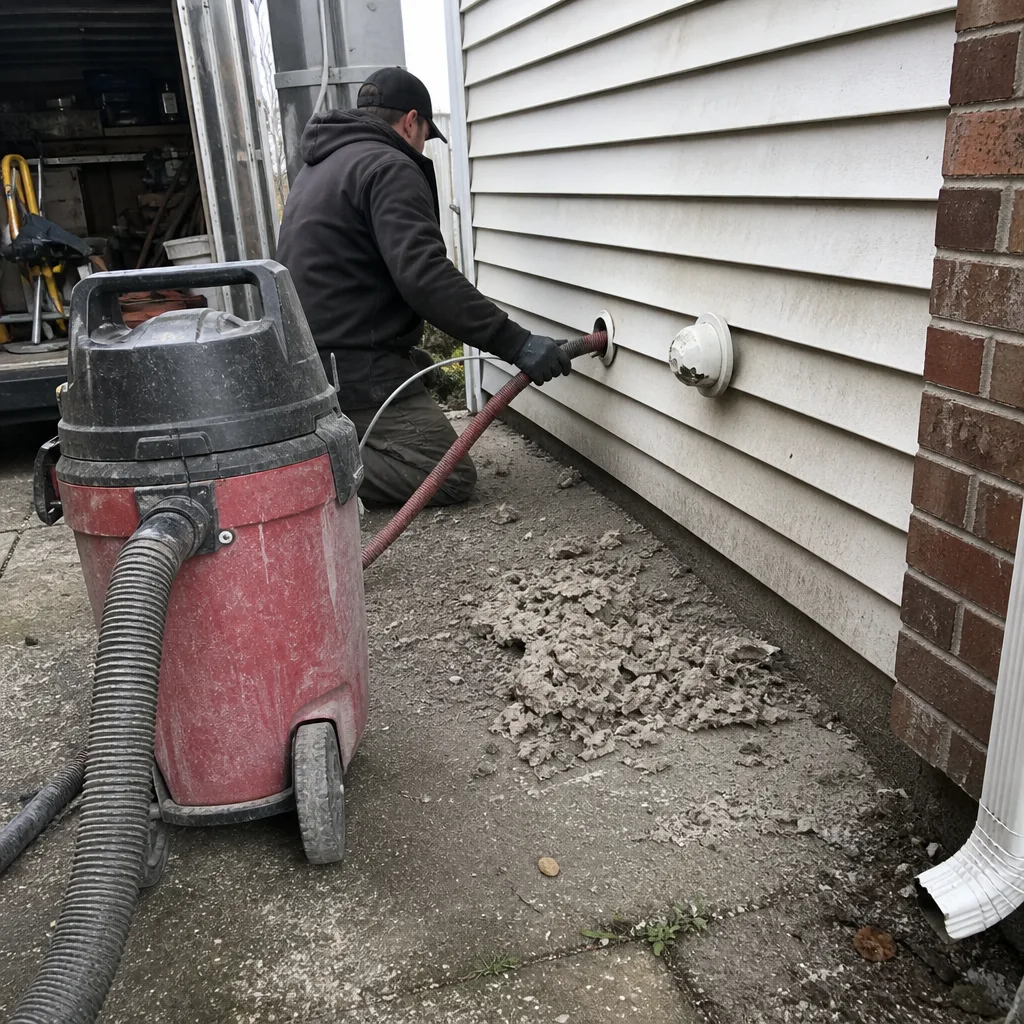 Before
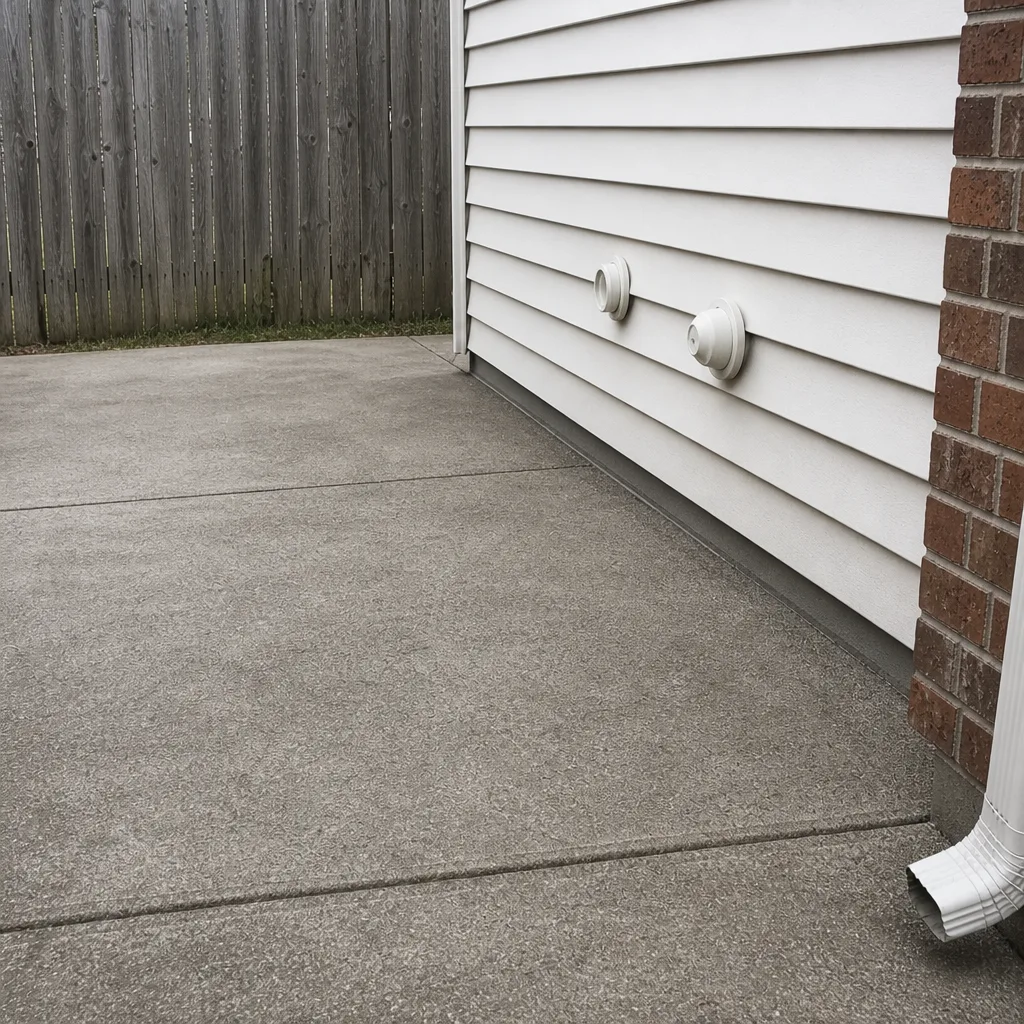 After
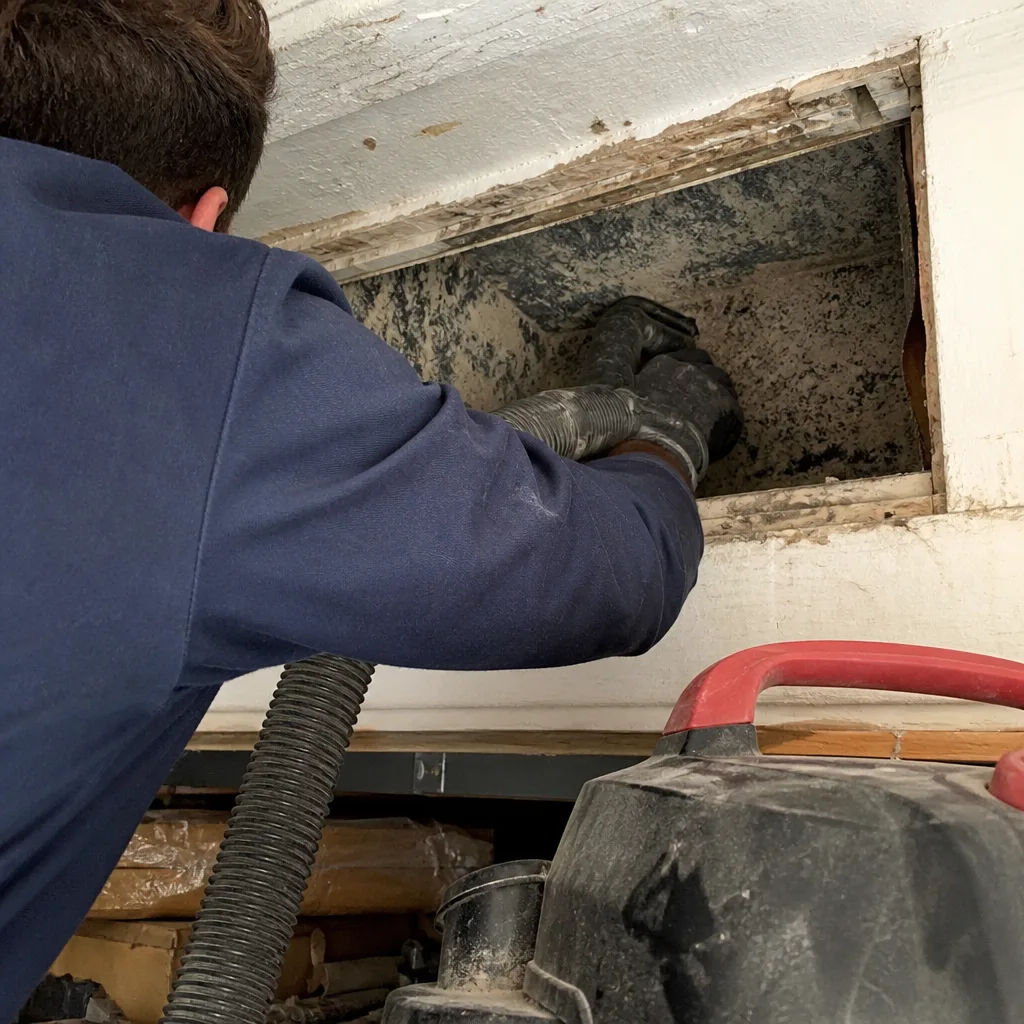 Before
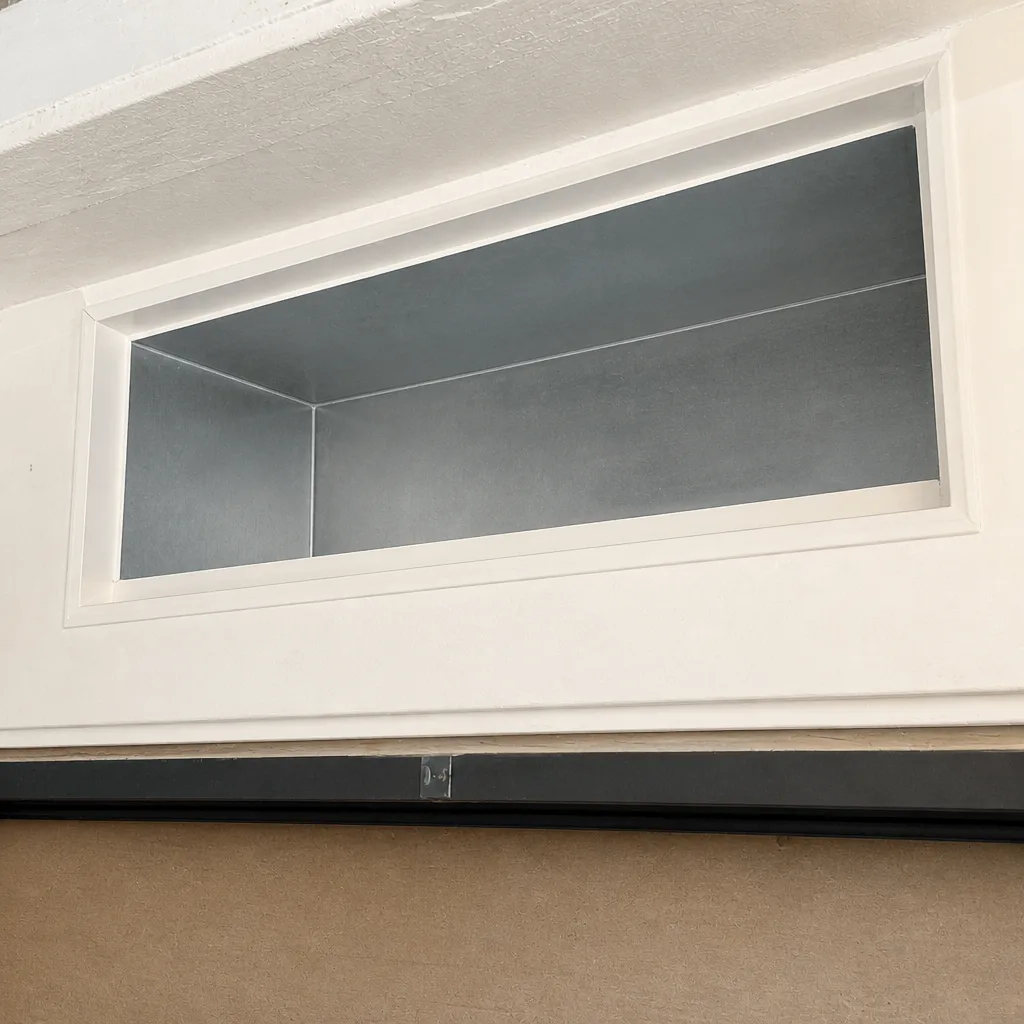 After
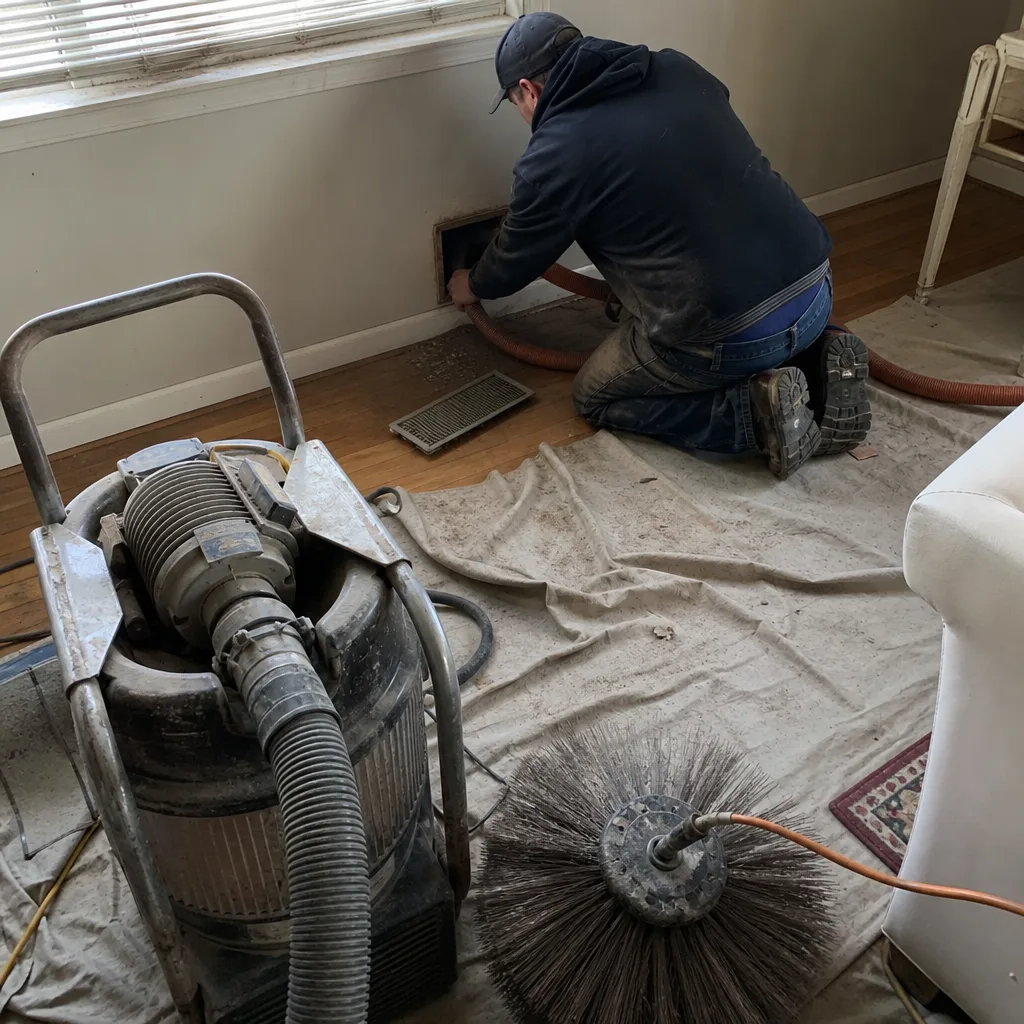 Before
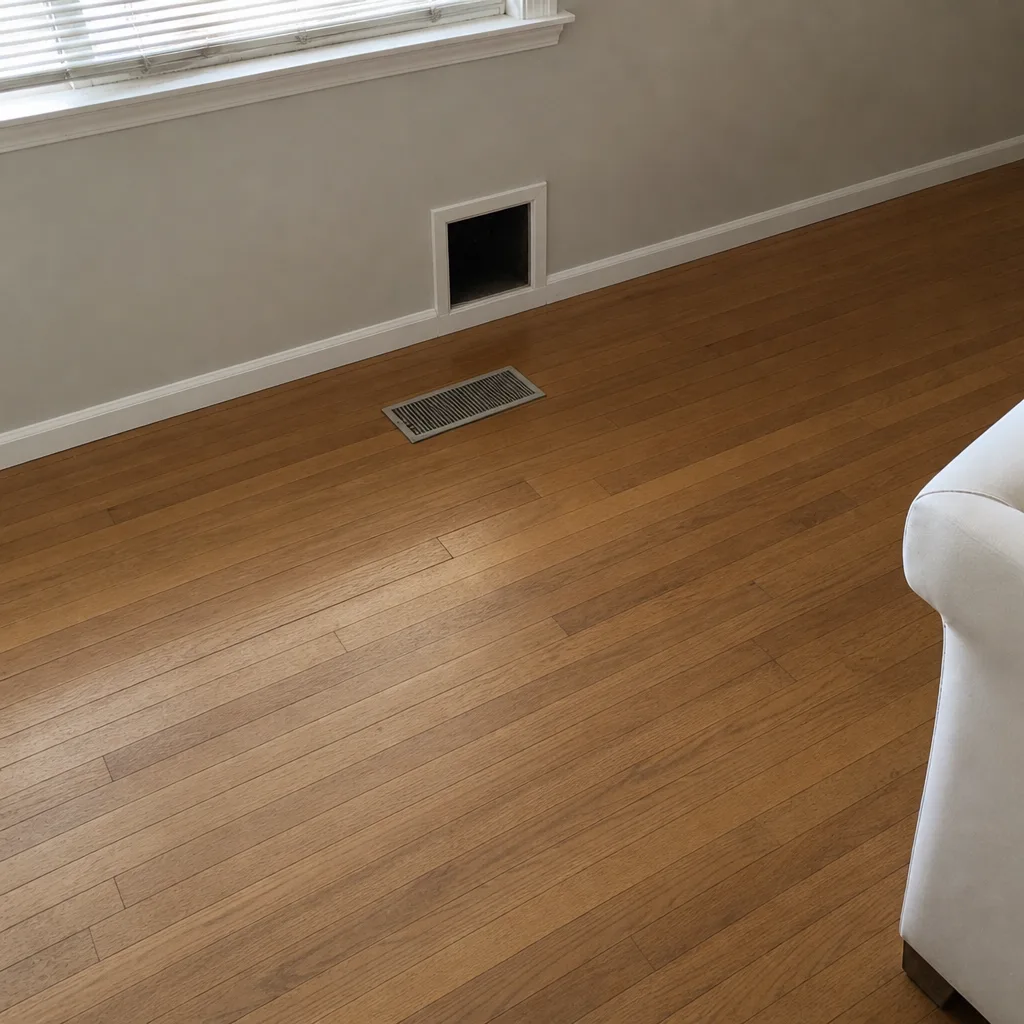 After
When to Call a Professional
Call a professional when the situation matches one of the scenarios above: post-renovation debris, confirmed or suspected mold, pest contamination, or a system that hasn’t been cleaned in a decade or more. These are situations where consumer equipment can make the air quality worse or damage the duct, and where professional extraction, repair and containment are the appropriate response. Also call if you’re not sure what you’re seeing at the register and want a trained eye to assess it before you decide.
Magnolia Air Duct Cleaning offers free estimates in Magnolia. Call (877) 309-8232. We answer 24/7. Fast dispatch from 7am to 7pm, Sunday through Friday. The written estimate sets the final price, so you know the scope and cost before any work begins.
Frequently Asked Questions
Most Magnolia homes fall into a typical whole-system range based on the number of registers, the length of the runs, and the condition of the system. Pricing is agreed per system in the written estimate, not per vent, which is the biggest reason a coupon-style quote can look low and then grow on-site. Ask for the written scope and the flat price before work starts. Call (877) 309-8232 for an exact quote; estimates are free.
You can reach the first few feet of the register, but a shop vac cannot sustain enough negative pressure to clean a full run. The pressure drops quickly beyond a few feet, so what typically happens is the loosened dust gets pushed toward the air handler rather than pulled out. On flex or lined duct, the hose can also kink or tear the liner. For anything past the register face, professional equipment is the reliable approach.
The gap is almost always scope and equipment. A low headline price often covers a per-vent surface pass with consumer-grade equipment that doesn’t reach the whole run, while a properly priced estimate reflects full-system extraction over the entire length of the ducts. The written estimate should list exactly what’s included and the flat price per system, which lets you compare apples to apples. Call (877) 309-8232 and we’ll quote the actual scope for your home.
Ask for before-and-after photos of your own ducts, not stock images. A legitimate cleaning takes pictures at the registers and the air handler around the work area. Add a clear scope in the estimate, and you can compare what was promised with what was completed. We provide before-and-after photos of the system as part of the job. Call (877) 309-8232 to book a free estimate.
Most homes do fine with a cleaning every five to seven years, plus register and filter maintenance in between. Homes with pets, recent renovation, allergy concerns, or a long history without cleaning need it sooner. If you’re not sure what interval fits your system, a free estimate will give you a specific recommendation for your home in Magnolia. Call (877) 309-8232.
Yes, for the tasks at the register: grille cleaning, filter replacement, and the accessible portion of the dryer vent. Those are effective and worth doing on a schedule. What’s not worth attempting is reaching into the run with a brush or shop vac, because on flex and lined duct found in many Magnolia homes, the risk of damage and recontamination outweighs any savings. Call (877) 309-8232 if you want an honest assessment of which category your system falls into.
The Bottom Line
DIY duct cleaning is a real, useful activity right up to the register face. Grille cleaning, filter maintenance, and the accessible portion of dryer vent cleaning are worth doing and worth doing well. Past that, the tools fall off a cliff: no consumer vacuum can sustain the negative pressure needed to clean a 20- to 40-foot run, and pushing anything further into a flex or lined duct risks tearing the liner and creating a new contamination problem. Post-renovation debris, confirmed mold, pest contamination, and decade-old buildup are situations where calling a professional isn’t just faster, it’s the only reasonable path. Magnolia Air Duct Cleaning works with Rotobrush, Nikro, and Abatement Technologies equipment and offers the full scope of cleaning, repair, sealing, and sanitizing in one engagement. Call (877) 309-8232 for a free estimate. We answer 24/7. Fast dispatch from 7am to 7pm, Sunday through Friday.
Written by the team at Magnolia Air Duct Cleaning.