
Last updated November 24, 2026
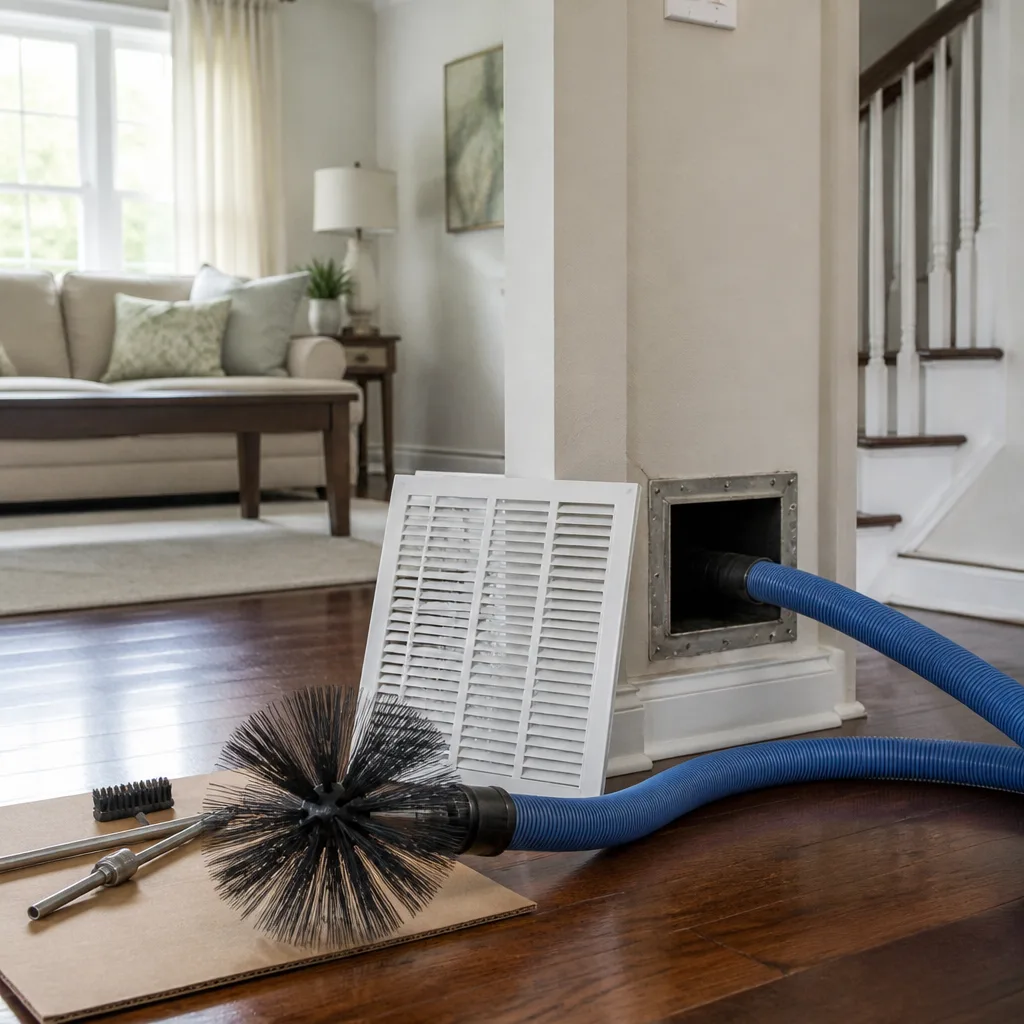 Whole-home duct cleaning
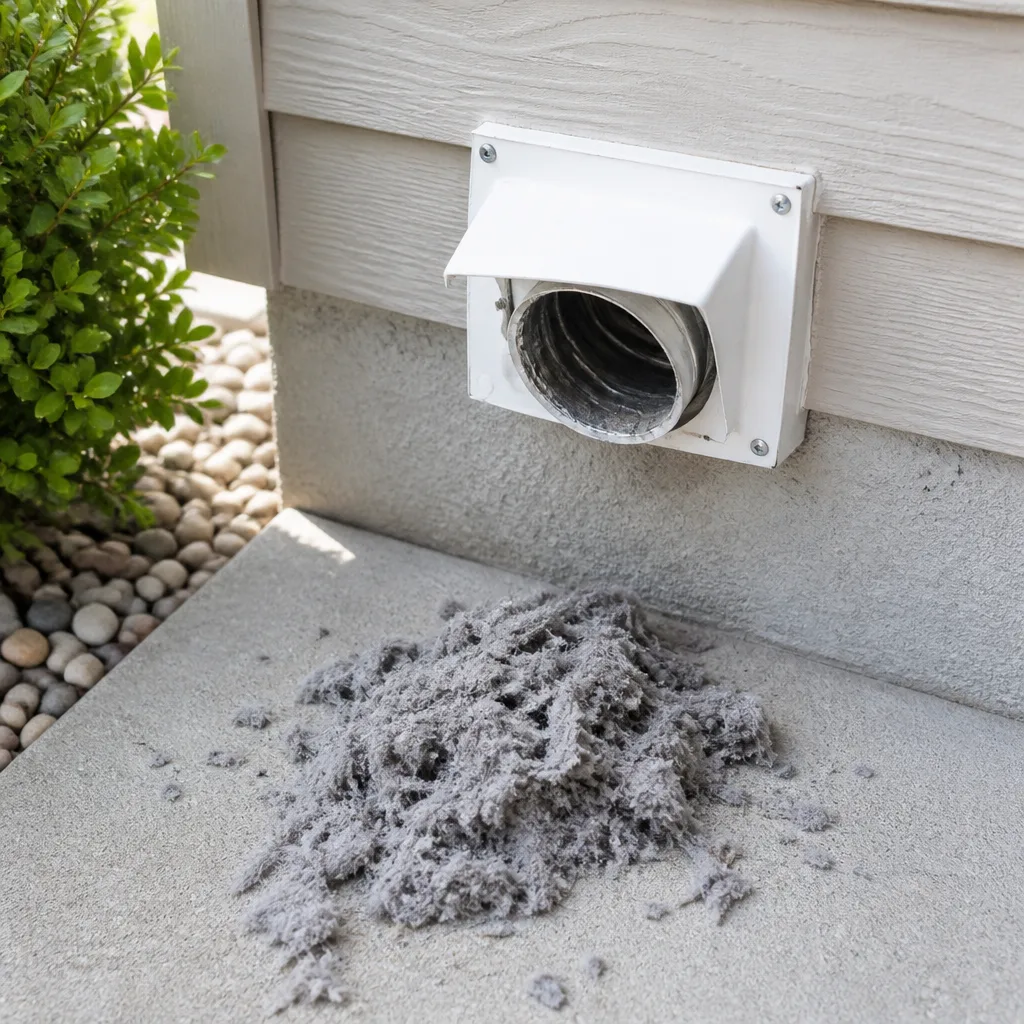 Dryer vent cleaning
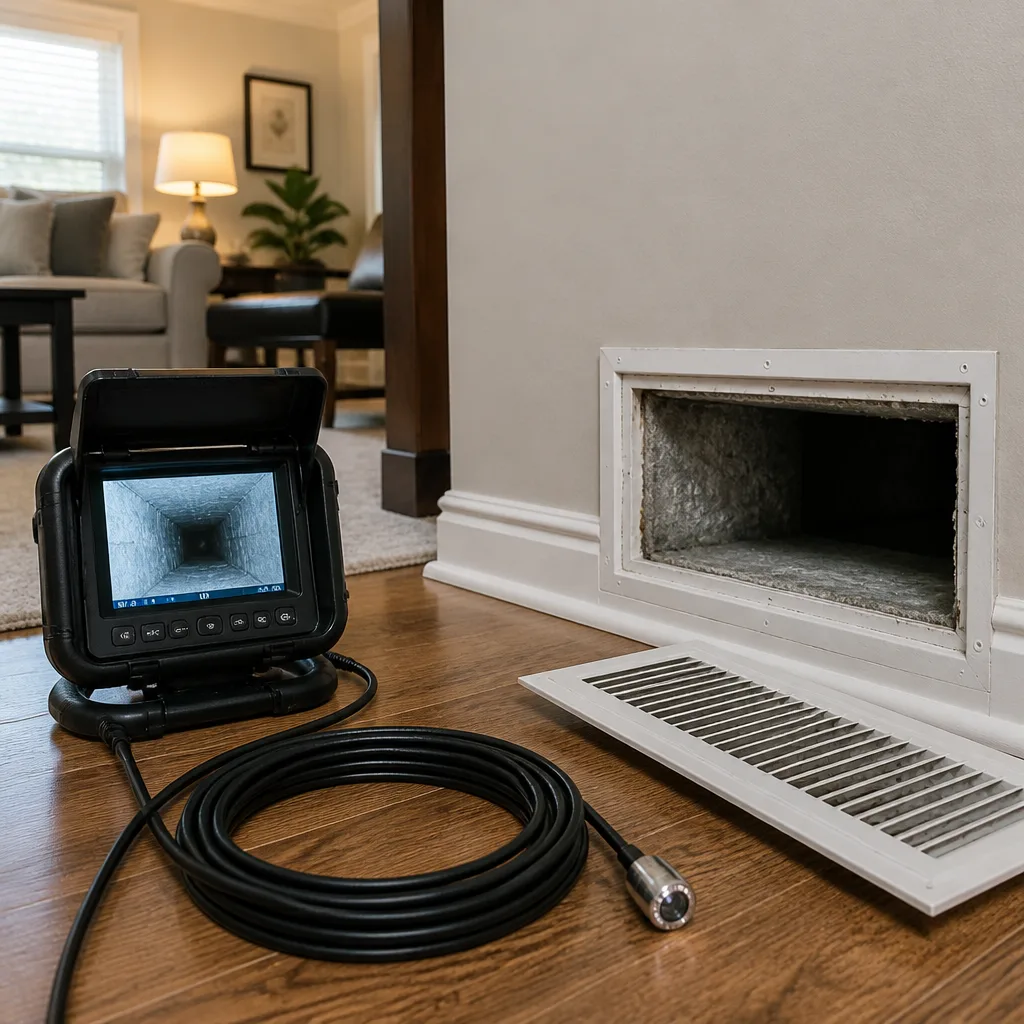 Camera inspection
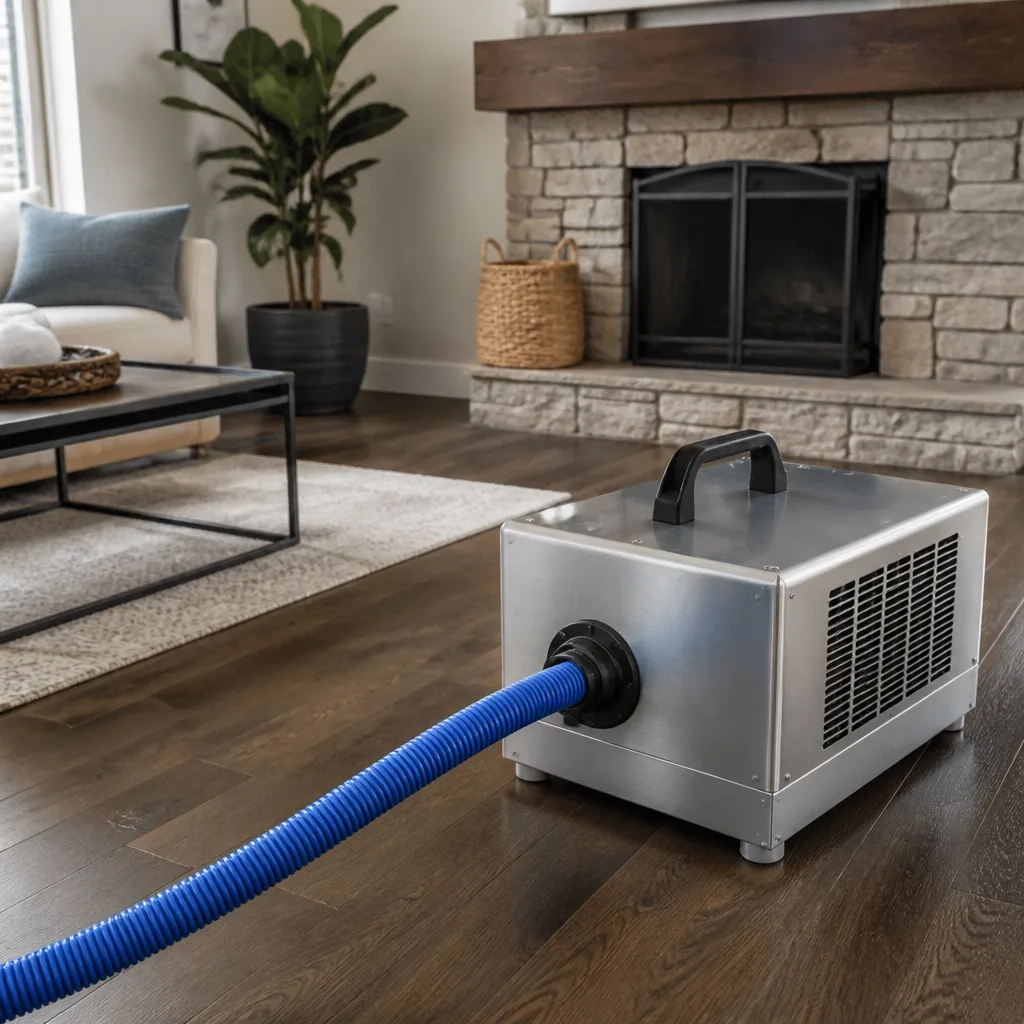 Sanitizing & deodorizing
Whole-system duct and dryer vent check with before-and-after photos - you see exactly what came out of your vents
That "$99 whole-house special" is a bait ad - the real number appears once they are in your hallway, or the "clean" is a shop-vac at the register. We photograph the inside of your ducts before and after instead.
The Complete Guide to Air Duct Cleaning in Magnolia
The EPA has never set a cleaning frequency for air ducts. That single fact trips up more homeowners than any other part of this trade. Without a number to follow, people either hire someone every year on a mailer’s advice or ignore a system that’s quietly been pulling debris for a decade. Neither approach is right. The decision belongs to what’s actually inside your ductwork, not to a calendar. In this guide, we’ll walk through the anatomy of a full duct system, why Magnolia’s damp climate shapes buildup differently than drier parts of the state, what professional-grade equipment actually does, and how to judge whether your home needs cleaning, repair, sealing, or all three. You’ll leave knowing how to look at your own system with clear eyes.
Quick Answer
Air duct cleaning in Magnolia is worth doing when you can see or smell the evidence: visible dust plumes at registers, musty odors when the system starts, pest debris, recent renovation dust, or a system that’s never been cleaned. A proper job uses negative-pressure equipment with a HEPA vacuum and rotary agitation to remove contamination at the source, not a shop-vac pass at the grilles. Magnolia Air Duct Cleaning handles the full duct ecosystem – cleaning, dryer vent, HVAC, repair and sealing, and sanitizing – so one visit addresses the whole picture.
Styles & brands we work with
- Whole-home duct cleaning
- Dryer vent cleaning
- Camera inspection
- Sanitizing & deodorizing
Table of Contents
- Why Magnolia’s Climate Changes What Builds Up in Your Ducts
- The Anatomy of a Full Duct System
- Why Spot-Cleaning One Section Doesn’t Work
- What Professional-Grade Equipment Actually Does
- How to Assess Whether You Need Cleaning, Sealing, or Repair
- Source Removal vs. Surface Vacuuming: The NADCA Standard
- What a Full-System Cleaning Looks Like, Step by Step
- Common Mistakes to Avoid
- When to Call a Professional
- Frequently Asked Questions
Why Magnolia’s Climate Changes What Builds Up in Your Ducts
Magnolia sits in the Puget Sound lowlands, where the air stays damp through long, mild winters and the summers rarely get dry enough to bake moisture out of a house. That climate leaves a signature inside ductwork. In arid parts of the country, the main problem is dry dust that stays loose and blows out easily. Here, the problem is moisture-assisted adhesion. Dust lands on a slightly damp surface, and over a heating season it binds into a film that a vacuum can’t lift without mechanical agitation.
You’ll notice the difference in the ductwork that runs through crawl spaces and unconditioned garages, common in Magnolia’s older housing stock. Those runs see wider temperature swings and more condensation than the trunk lines inside the heated envelope. Insulation that’s been compromised – a tear, a sag, a section that’s pulled loose at a joint – lets that condensation happen right where the air you breathe passes through.
What does this mean for a homeowner on the hill above the bluffs or in the flatter blocks near the business district? It means the buildup pattern tends to concentrate in three places:
- Return plenums and return trunks – moisture and dust collect here first because return air carries the heaviest particle load.
- Boots and register transitions – the short fittings where the duct meets the floor or wall register tend to trap debris and hold condensation.
- Flex duct with sagging sections – low spots in flex collect moisture-assisted dust and are hard to reach without the right tools.
The practical takeaway: in Magnolia, a duct cleaning that only addresses the supply side and skips the returns is missing where the worst of the buildup lives. In our experience, the returns and boots tell the real story of a system’s condition.
The Anatomy of a Full Duct System
Most people picture ductwork as a few tubes behind the walls. In reality, a residential system has at least six distinguishable parts, and each one has its own cleaning and inspection needs. If you understand the parts, you understand what a proper cleaning actually covers.
- The return air grilles and boots. Where air comes back into the system. These collect the most visible dust and are the first thing homeowners notice.
- The return trunk. The large main line that carries return air back to the air handler. Usually the widest duct in the house and the one most likely to hold heavy debris.
- The air handler / furnace cabinet. The equipment itself. If it’s clean but the ducts aren’t, you’ve only done half the job.
- The supply plenum. The transition from the air handler into the supply trunk. Often the dirtiest single piece because it sees concentrated airflow and turbulence.
- The supply trunk and branch runs. The main distribution lines and the smaller runs that feed each room. Rigid metal and flex behave very differently and need different tools.
- The supply boots and register diffusers. The final fittings where conditioned air enters the room. These collect dust, insect debris, and in some homes, pet hair.
A full-system approach treats all six as one interconnected ecosystem. This is why we don’t just clean – we seal, repair, and sanitize the full system, because a leaky return trunk or a detached boot will simply reintroduce what we removed. That’s the difference between a cleaning that lasts a couple of seasons and one that holds for years.
Why Spot-Cleaning One Section Doesn’t Work
A vacuum at one register pulls debris toward it from wherever the pressure differential leads – and that’s often not the direction you’d expect. Cleaning one run in isolation can actually shuffle contamination from a dirty return trunk into a “clean” supply branch, because the air handler’s pressure relationships don’t stop at the boundary of the piece you’re working on. This is the single most common professional mistake we see corrected after a budget job.
Picture it this way. Your duct system has a designed pressure balance: negative on the return side, positive on the supply side, with the air handler in the middle maintaining the difference. When you disturb debris at one point without simultaneously controlling the whole system, that debris migrates. A shop-vac attached to a single register creates a local pressure imbalance that pulls dust from the leakier areas toward the vacuum, but leaves the rest untouched. It can even push some of it deeper into the system through gaps in the joints.
The fix is a whole-system approach. That means:
- Sealing off registers and running negative pressure on the entire system, not one branch.
- Agitating every run with a rotary tool that reaches the full length – not just the first three feet.
- Cleaning the air handler and plenum while the ducts are under vacuum, so the equipment and the ductwork never cross-contaminate.
- Inspecting and correcting leaks, disconnected joints, and damaged insulation in the same visit.
Spot-cleaning is a shortcut that looks fine from the register. It isn’t fine inside the walls. This is why air duct cleaning in Magnolia is done as a system job, not a piecemeal one.
What Professional-Grade Equipment Actually Does
The tool that separates a real duct cleaning from a cosmetic one is negative-pressure equipment – a high-volume HEPA vacuum that pulls the entire duct system into a negative pressure state while the technician works. That vacuum isn’t a bigger shop-vac. It’s a purpose-built machine delivering several thousand CFM at the working end, attached to a HEPA filtration stack that captures fine particles down to a fraction of a micron instead of blowing them back into the room.
Here’s what that difference actually buys you:
- Containment. The system is sealed and under negative pressure before any agitation starts. Dust goes into the vacuum, not into your living room.
- Reach. Rotary agitation tools – like those in the Rotobrush system – spin brushes and whips through the full length of each run, breaking the moisture-assisted film that a static vacuum can’t lift.
- Volume. High-volume extraction from Nikro systems clears the loosened debris instead of just moving it.
- Filtration. Abatement Technologies air filtration equipment is what we bring to jobs where contamination levels are elevated – after a renovation, after pest activity, or in a home with a sensitive occupant.
Budget “duct cleaning” often means a shop-vac and a hand brush at each register. It’s fast, it’s cheap, and it doesn’t remove the film of adhered debris that’s actually the problem. The tools we use – Rotobrush, Nikro, and Abatement Technologies – are the same categories of equipment certified contractors across the trade rely on. Not shop-vac workarounds. That distinction matters more than any marketing claim.
We also work with Honeywell and Aprilaire whole-home air quality systems. If your home has a media filter cabinet, a UV purifier, or a whole-home dehumidifier from either brand, the cleaning has to account for that equipment, not just the ductwork around it. Cleaning a system and leaving a clogged media filter or a fouled UV lamp in place is a half-finished job.
How to Assess Whether You Need Cleaning, Sealing, or Repair
Most homes don’t need all three, but most homes need at least one and often two. The question is which. Here’s a practical way to assess a system in a Magnolia home, using evidence you can gather without opening a wall:
- Look at the register faces and boots. A light film is normal. Visible matted dust, insect debris, or dark streaks at the boot indicate source-level buildup that needs cleaning.
- Notice the smell when the system starts. A musty or “old house” smell in the first 30 seconds of a heating or cooling cycle points to moisture-assisted buildup in the returns or plenum.
- Check for uneven airflow between rooms. A room that’s always colder or warmer than the rest may have a leaky or partially disconnected run. That’s a sealing or repair issue, not a cleaning issue.
- Inspect visible flex duct in the crawl space or garage. Sagging, torn jacket, disconnected collars, or sections resting on the ground all mean the run needs repair or replacement before cleaning it makes sense.
- Check the air handler cabinet and filter slot. Heavy dust accumulation around the cabinet and filter slot suggests the system has been running with inadequate filtration, which usually means the ducts have the same problem.
- Ask about recent renovation or pest activity. Drywall dust, sawdust, rodent droppings, or insect casings all require source-removal cleaning, not surface vacuuming.
If you’ve got two or more of those signs, the system is telling you something. Cleaning addresses debris. Sealing addresses air loss. Repair addresses disconnected or damaged runs. The point of a professional assessment is to figure out which combination your home actually needs before anyone picks up a tool. We combine HVAC cleaning and duct repair and sealing precisely because the two problems often show up together – finding the issue and fixing it in the same visit is faster for the homeowner and better for the system.
Source Removal vs. Surface Vacuuming: The NADCA Standard
The National Air Duct Cleaners Association (NADCA) draws a clear line between “source removal” and “surface cleaning.” Source removal means removing the contamination from where it accumulated – the surfaces of the ducts, plenums, and components – until the system is visibly clean. Surface vacuuming means a quick pass at the openings that leaves the deeper accumulation untouched. Only the first meets the standard.
Here’s the difference in practice:
- Source removal uses mechanical agitation (rotary brushes, whips, air jets) combined with continuous negative pressure, and continues until the technician has verified the duct is clean from end to end – typically with before-and-after photos.
- Surface vacuuming uses a single vacuum head at the register, sometimes with a brief pass at the boots, and typically stops after five or ten minutes per register. Contamination deeper in the run stays put.
NADCA also draws a line on what shouldn’t happen. No chemical biocides should be applied unless the specific product is registered for use inside HVAC systems, and no sealants or encapsulants should go in unless the product itself is rated for that use. If a crew shows up ready to fog your system with an unlabeled product, that’s a red flag. Sanitizing has its place – but only with the right product, in the right situation, and disclosed before work starts. This is why our work with Guardsman products and the sanitizing service line is scoped case by case, not added as an upsell.
Verification is the other half of the standard. If the company you hire can’t show you before-and-after photos of your ducts – not stock photos – you have no way of knowing what was actually removed. That’s the standard we hold ourselves to, and it’s the standard you should ask for.
What a Full-System Cleaning Looks Like, Step by Step
A full-system cleaning usually takes three to five hours depending on the size and complexity of the home, and the process itself is fairly consistent from one Magnolia home to the next. Here’s how it goes when the full-system approach is followed:
- Walkthrough and assessment. The technician walks the system with you, checks the visible ductwork, identifies any leaks or damage, and confirms the scope before any equipment comes in.
- Protect the home. Floor protection, corner guards, and a HEPA filtration stack positioned at the main trunk connection.
- Establish negative pressure. The main trunk is connected to the high-volume HEPA vacuum and the whole system goes under negative pressure. All registers are sealed except the one being worked on.
- Agitate each run. Rotary tools work every supply branch and return branch from register back toward the trunk, breaking up adhered debris.
- Clean the air handler and plenum. The cabinet, blower compartment (with the power isolated), and supply plenum are cleaned by hand and with HEPA vacuum tools.
- Address repairs and sealing. Any leaks, disconnected joints, or damaged insulation identified during the walkthrough are corrected before the vacuum comes off.
- Sanitize if scoped. Where the assessment calls for it, a system-rated sanitizing product is applied and allowed to dry per its label.
- Verify and photograph. The technician photographs before-and-after inside representative runs and walks you through what was found and what was done.
If your home has a dryer vent that shares the mechanical room or laundry alcove, it’s worth handling dryer vent cleaning in the same visit. Lint accumulation in a dryer vent is one of the leading causes of residential fires, and it’s a different risk profile from duct contamination – serious enough that it deserves its own attention rather than a footnote.
See the difference
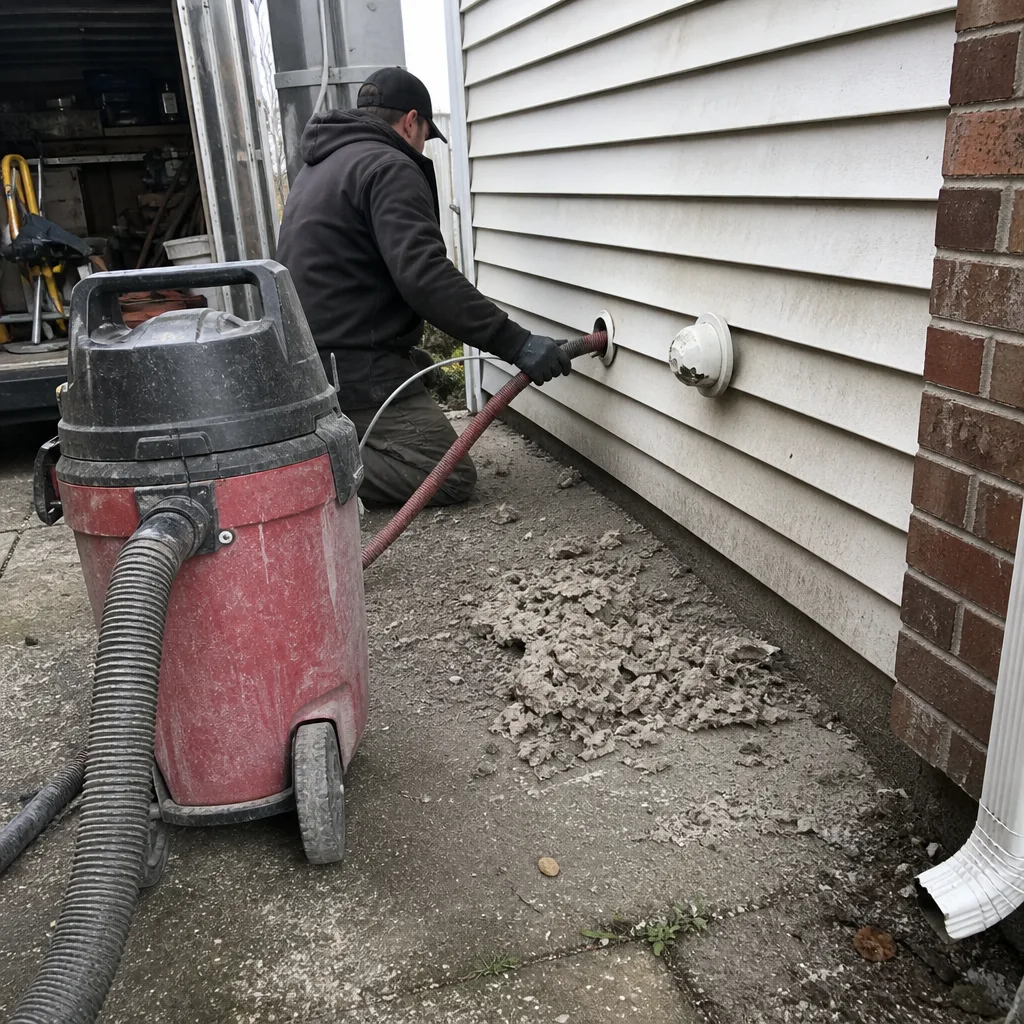 Before
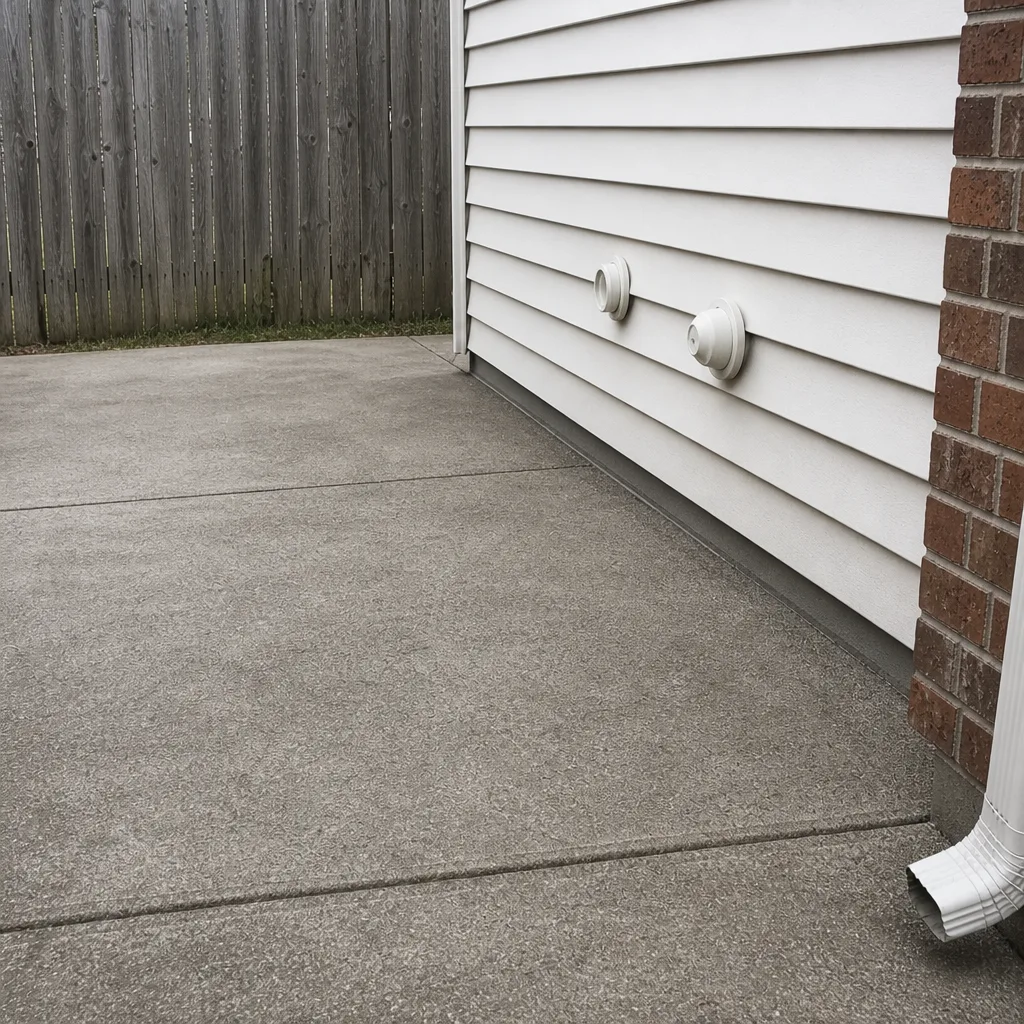 After
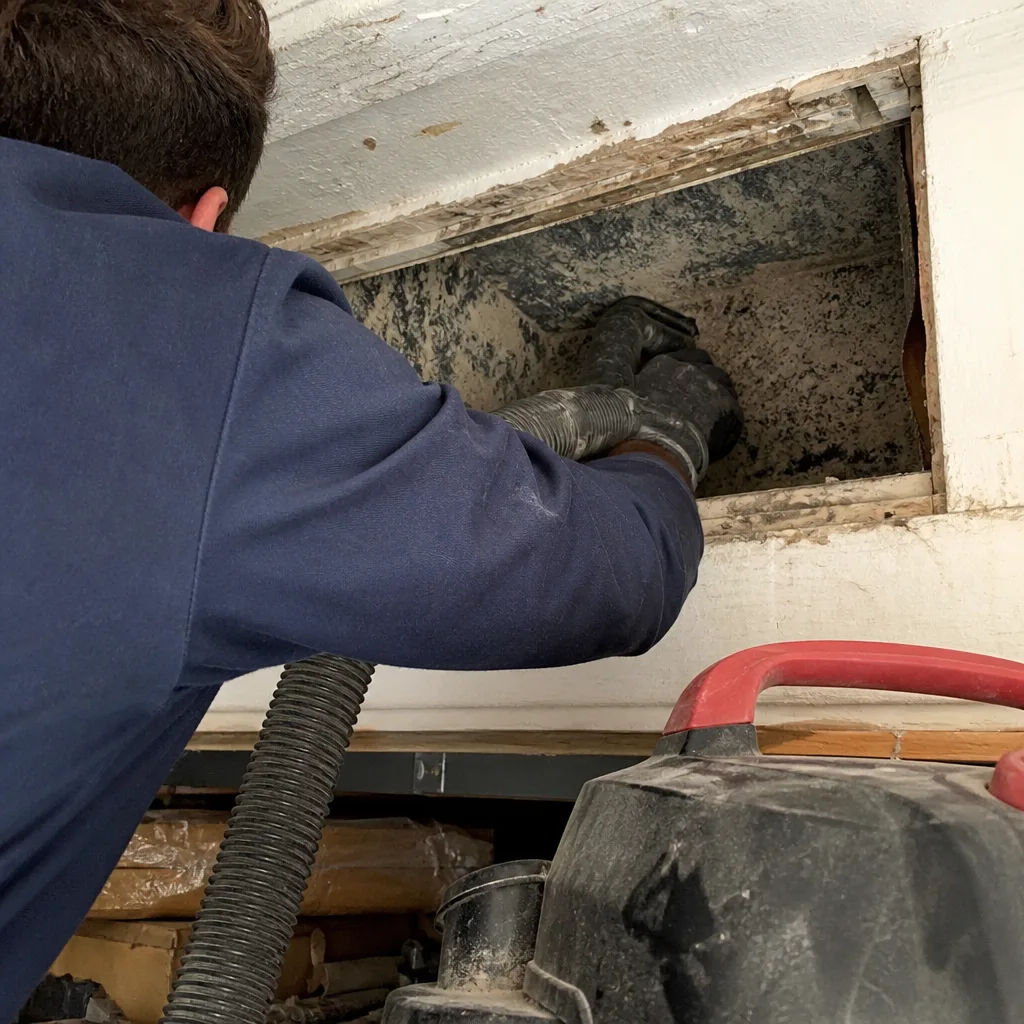 Before
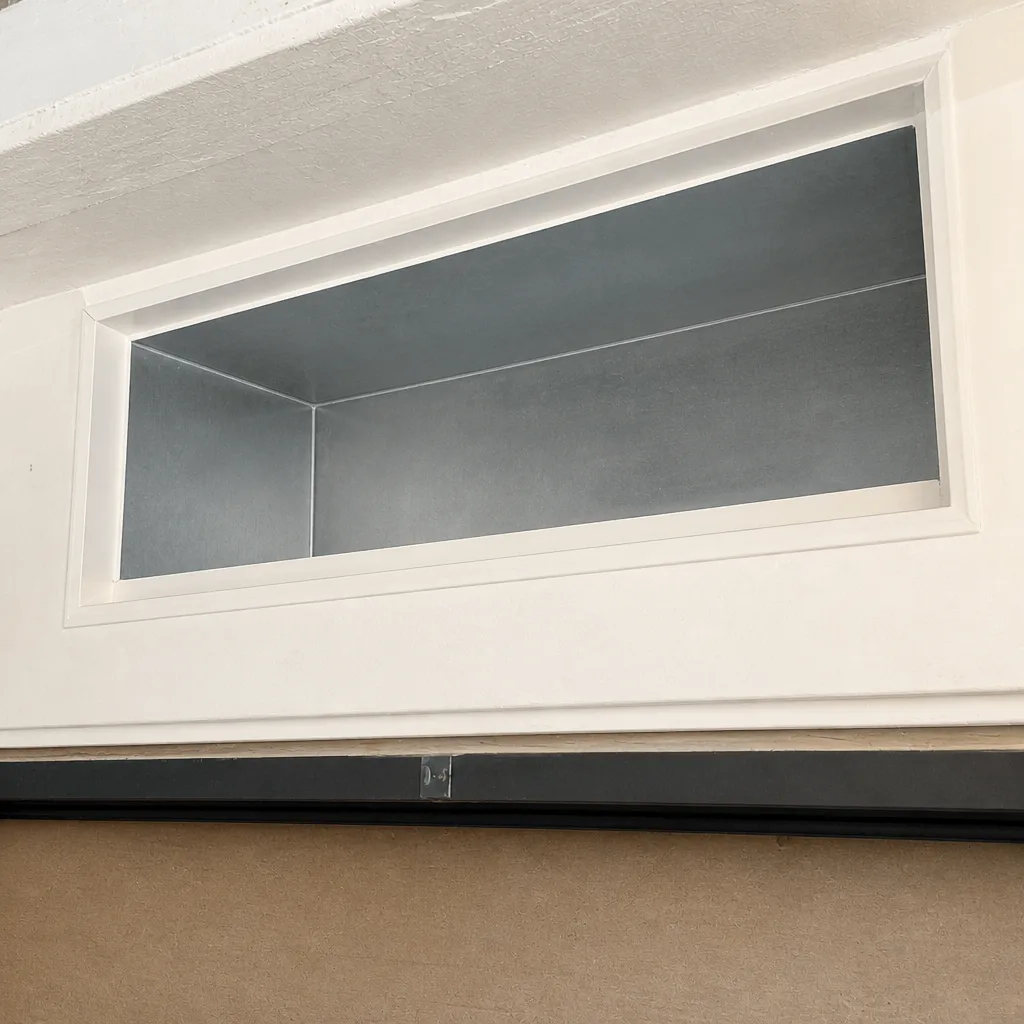 After
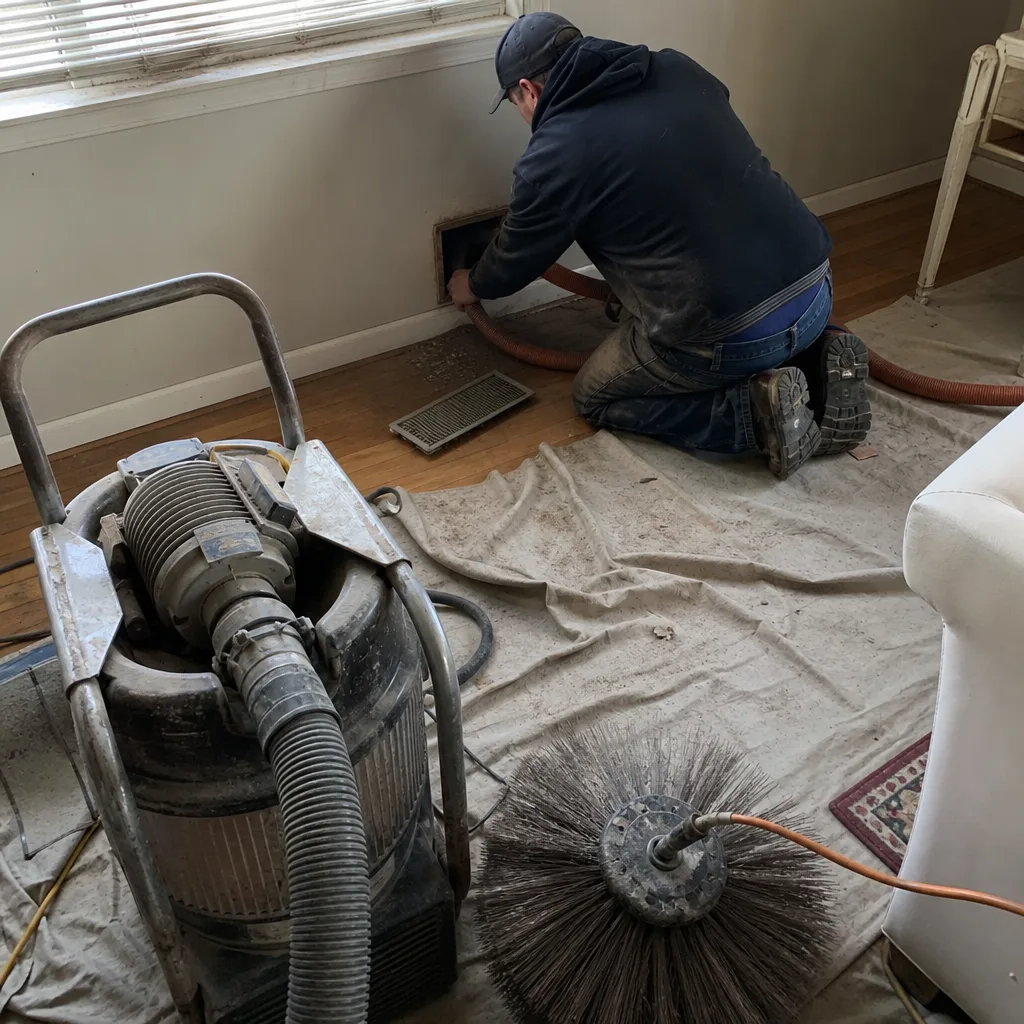 Before
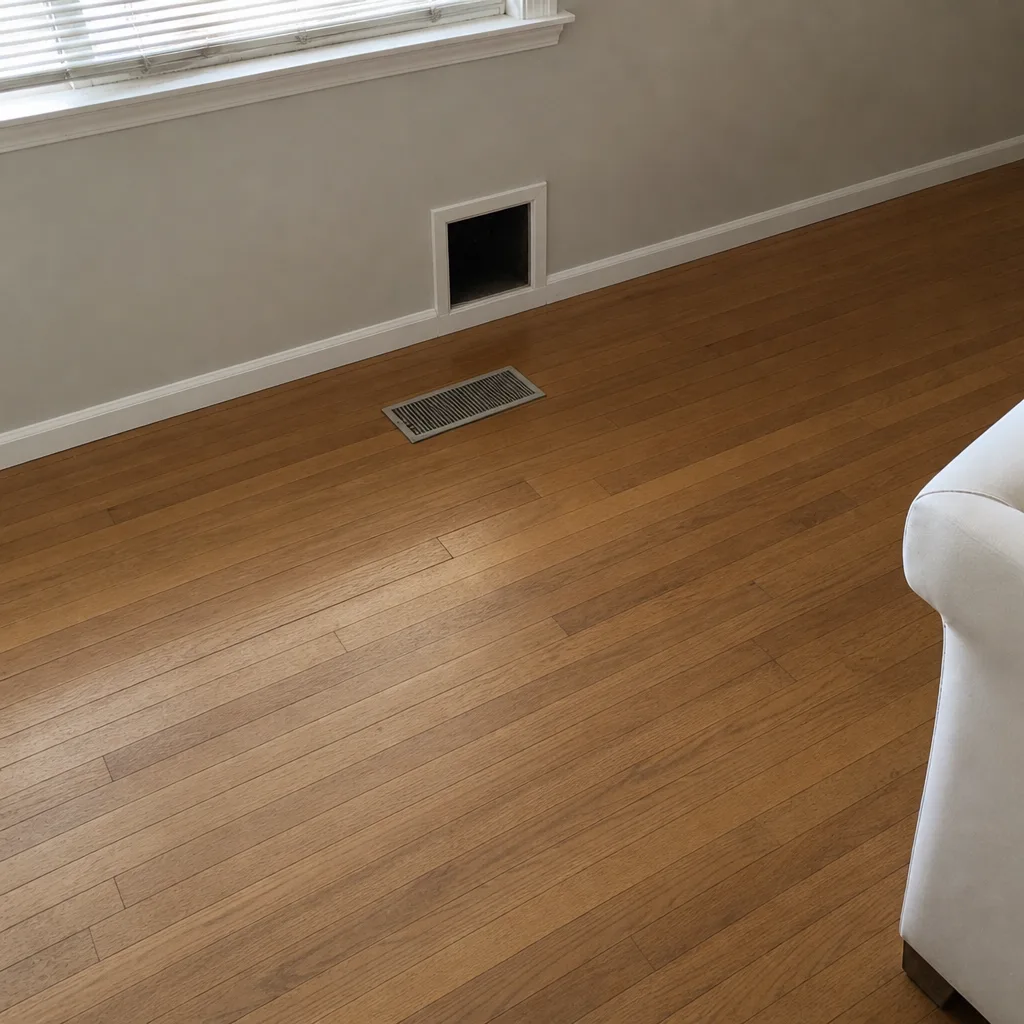 After
Common Mistakes to Avoid
- Booking on price alone. A $99 duct cleaning in Magnolia almost always means a shop-vac pass at the registers and a sales pitch for add-ons. The tools and labor required for real source removal don’t fit that price.
- Cleaning only the supply side. The returns, plenum, and boots hold the heaviest buildup in this climate. A supply-only job misses the real problem and can redistribute what’s already there.
- Skipping the air handler. If the cabinet and blower compartment aren’t cleaned, they’ll redeposit contamination into freshly cleaned ducts within a season.
- Ignoring torn or disconnected flex duct. Cleaning a compromised run is wasted effort – and it can pull crawl-space air and insulation fibers into the airstream. Seal or repair first.
- Accepting a “sanitizing fog” without a disclosed product. Ask what’s being applied, confirm it’s rated for HVAC interiors, and confirm the scope before work starts.
- Skipping the before-and-after photos. Without photos of your own ducts, you have no proof the work happened. A crew that won’t photograph has a reason.
- Treating the calendar as a schedule. There’s no evidence-based “every two years” rule. Assess the system on its actual condition, not a reminder card.
When to Call a Professional
Call a professional when you can see or smell evidence of contamination – visible dust at the registers, musty odor on startup, insect or rodent debris – or when the system has been through a renovation, a pest problem, or a long stretch without service and the returns look loaded. Call when rooms heat or cool unevenly, when a visible flex run in the crawl space is sagging or disconnected, or when you’re bringing a new baby, a sensitive occupant, or a family member with respiratory concerns into the home and want the full system verified. Magnolia Air Duct Cleaning offers free estimates in Magnolia – call (877) 309-8232. We answer 24/7. Fast dispatch from 7am to 7pm, Sunday through Friday, closed Saturday. The local pro is licensed and insured as their state requires, and you’ll get one flat price per system agreed before any work starts.
Frequently Asked Questions
Air duct cleaning in Magnolia is priced per system, not per vent, and the written estimate sets the final price. A whole-home estimate varies with square footage, the number of runs, accessibility, and whether repair or sealing is included – and a reputable company won’t quote off a coupon card without seeing the system. Call (877) 309-8232 for a free estimate. We answer 24/7. Fast dispatch from 7am to 7pm, Sunday through Friday, closed Saturday.
There’s no universal schedule. The EPA has not recommended a cleaning frequency, and any company quoting you a fixed interval without inspecting the system is guessing. Assess based on visible debris, odor, recent renovation, pest activity, and the condition of the returns and plenum. Some Magnolia homes go five or more years without needing it; others with a compromised return trunk or heavy pet load need attention sooner. Call (877) 309-8232 for an assessment – estimates are free.
Cheap quotes are usually for surface vacuuming at the registers, not source removal with negative-pressure equipment. A $99 job can’t cover the labor or the machinery required to properly clean a full duct system, so the price gets made up in add-ons once the technician is on site. Ask any company to explain their equipment and process before booking. Call (877) 309-8232 for a straight answer on what a real full-system cleaning involves.
Before-and-after photos of your own ducts are the only reliable proof. Ask for them at the assessment stage, not after. A company that photographs representative runs and walks you through the findings before and after is showing its work; one that won’t is asking you to take it on faith. We photograph every job and share the images with you. Call (877) 309-8232 to schedule an estimate.
We clean both. Cleaning the ducts without addressing the air handler cabinet, blower compartment, and supply plenum leaves a redeposit source, so HVAC cleaning is part of the full-system scope. We also work with Honeywell and Aprilaire equipment, which means the cleaning accounts for whatever whole-home air quality hardware is already installed. Call (877) 309-8232 to talk through your system.
Cleaning removes the contamination – dust, debris, biofilm film, pest remnants – from surfaces. Sanitizing applies a system-rated product to reduce microbial load after cleaning. They’re separate steps, and sanitizing is scoped case by case based on what the assessment finds, not added automatically. If a company is quoting “sanitizing” without a disclosed product, ask what’s being applied. Call (877) 309-8232 for an assessment with a clear scope.
The Bottom Line
Air duct cleaning isn’t a calendar appointment and it isn’t a shop-vac pass at the grilles. It’s a full-system assessment that starts with the question of what your ducts actually need: cleaning, sealing, repair, or some combination of all three. In Magnolia’s damp climate, that answer usually involves the returns and the boots, not just the visible supply registers. Professional-grade negative-pressure equipment – the kind that uses Rotobrush, Nikro, and Abatement Technologies – separates real source removal from surface cleaning. Before-and-after photos are how you know the work happened. And one flat price per system, agreed in writing before work starts, is how you avoid the bait-and-switch that has soured so many homeowners on this trade. The planet doesn’t run on a cleaning calendar. It runs on evidence, and it’s worth looking at your own system with clear eyes before you decide.
Written by the team at Magnolia Air Duct Cleaning.