
Last updated November 24, 2026
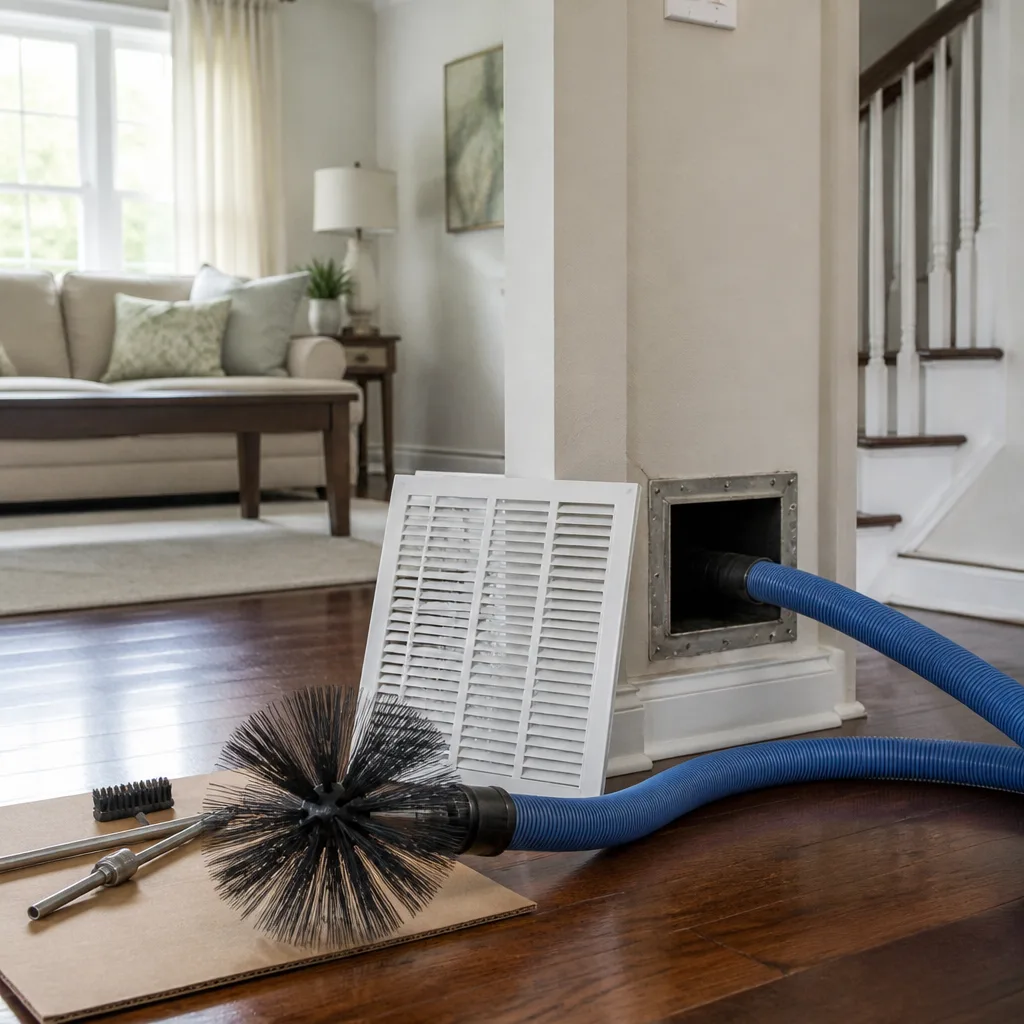 Whole-home duct cleaning
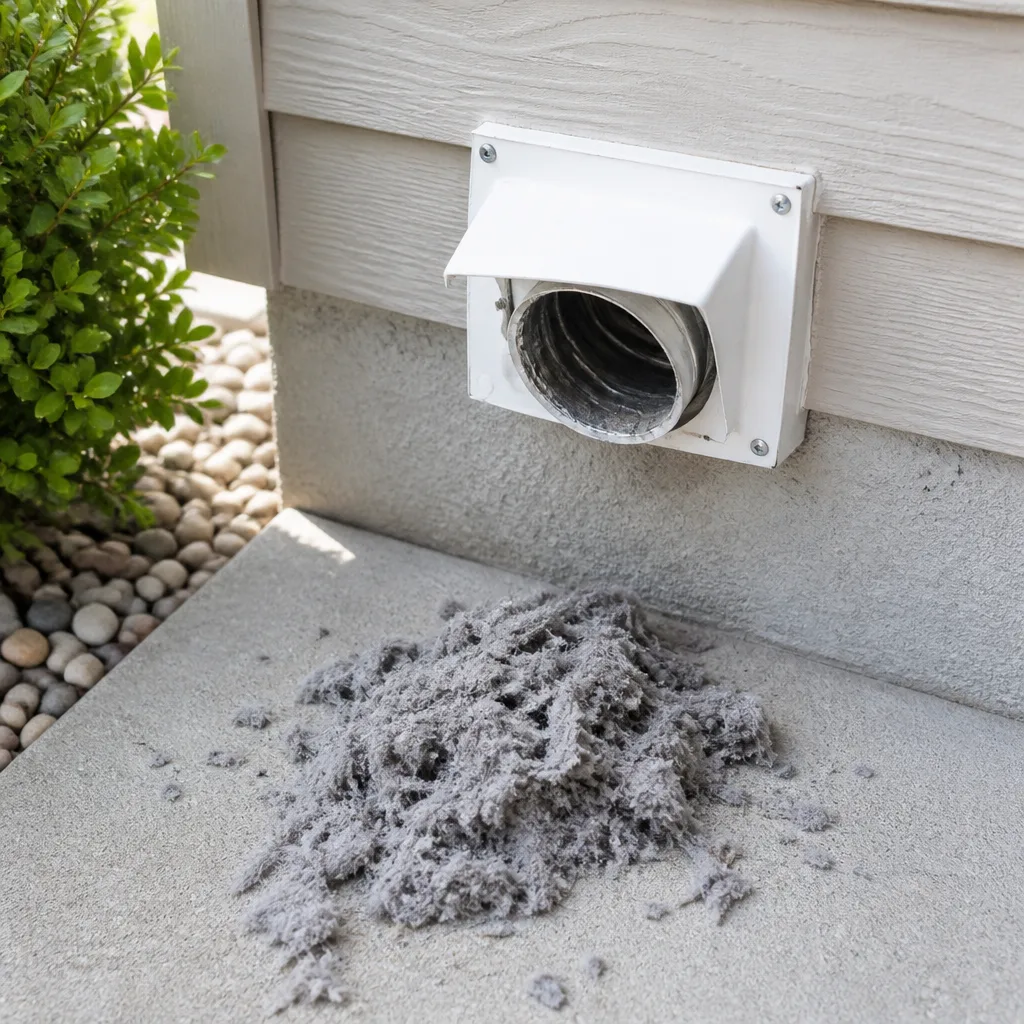 Dryer vent cleaning
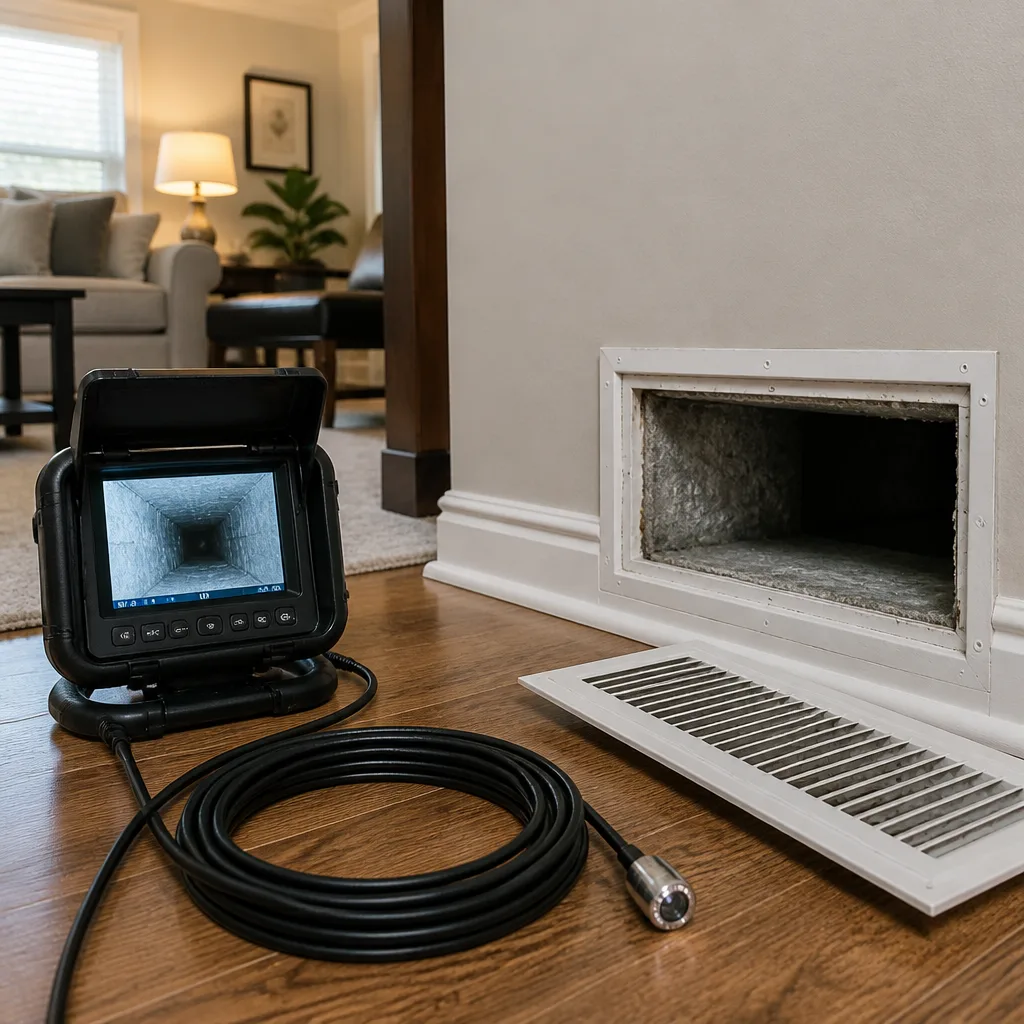 Camera inspection
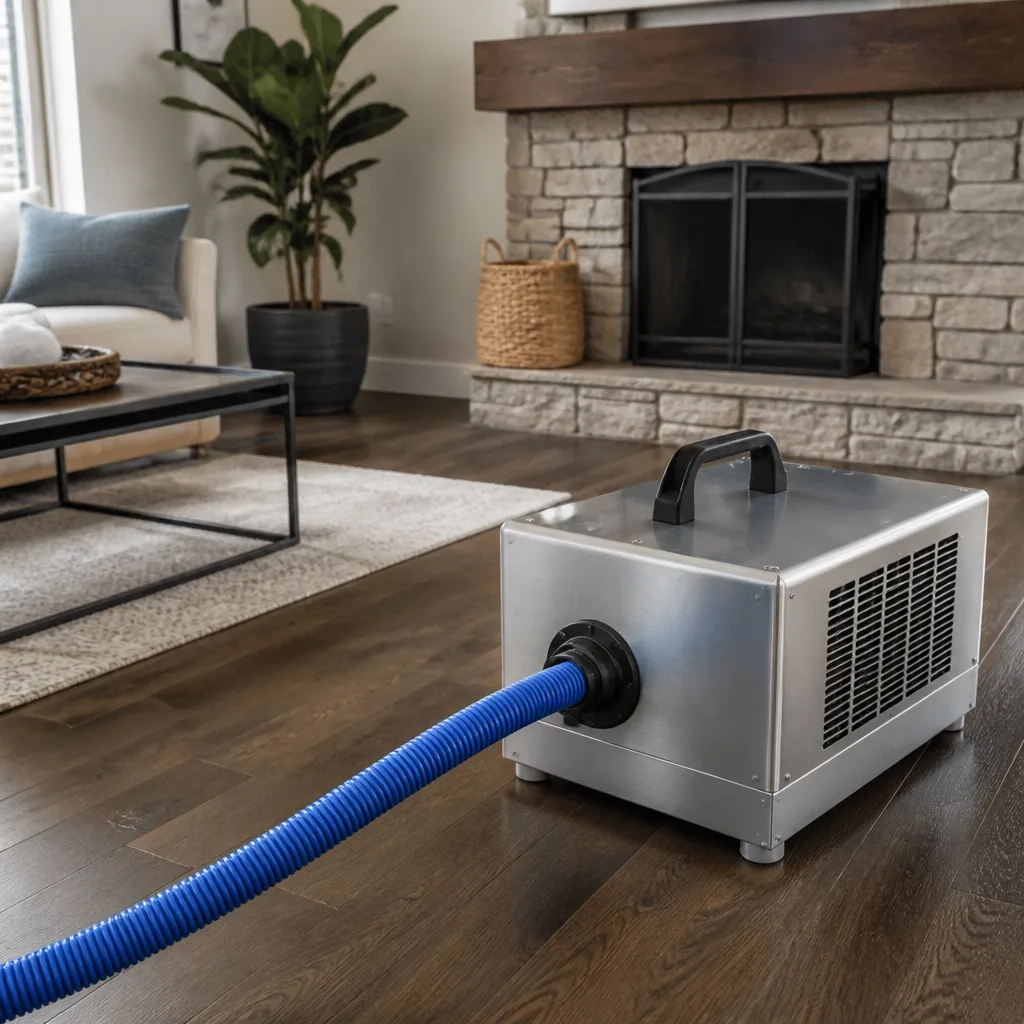 Sanitizing & deodorizing
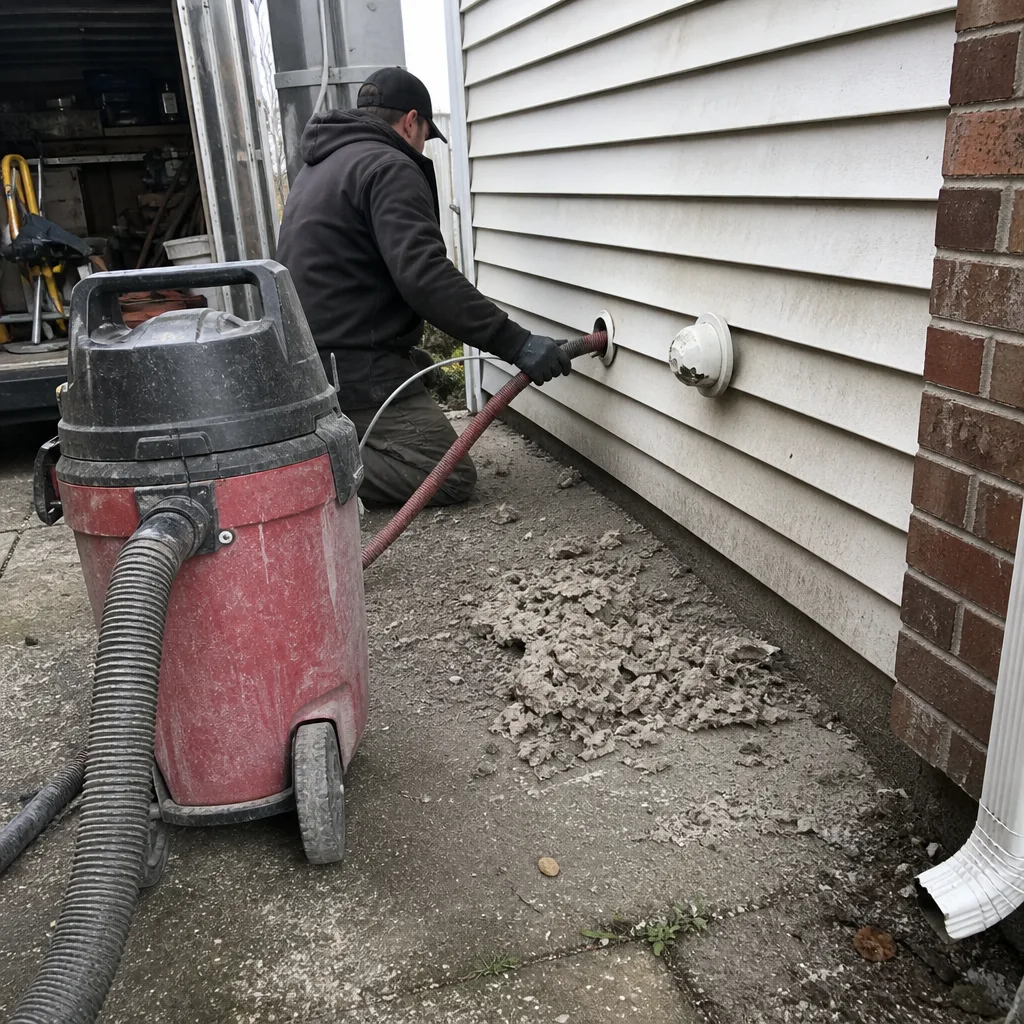
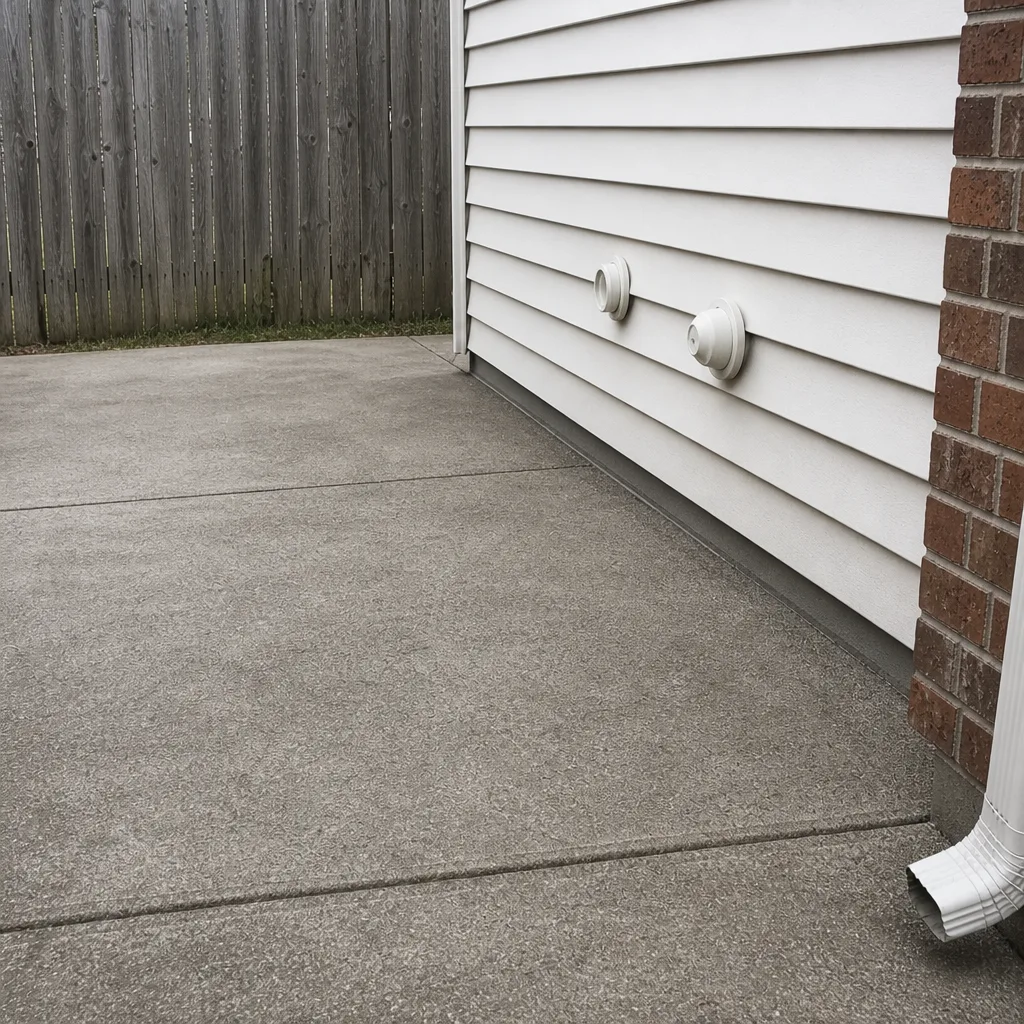
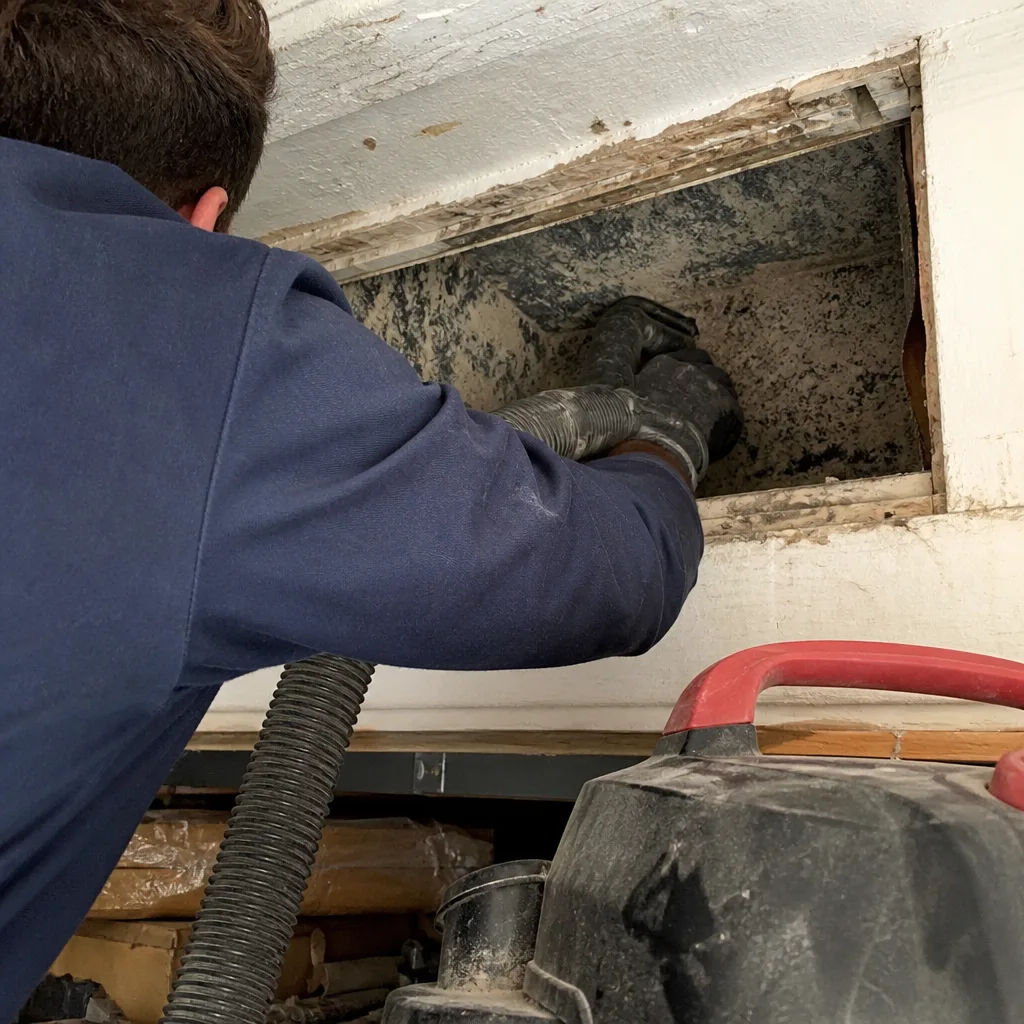
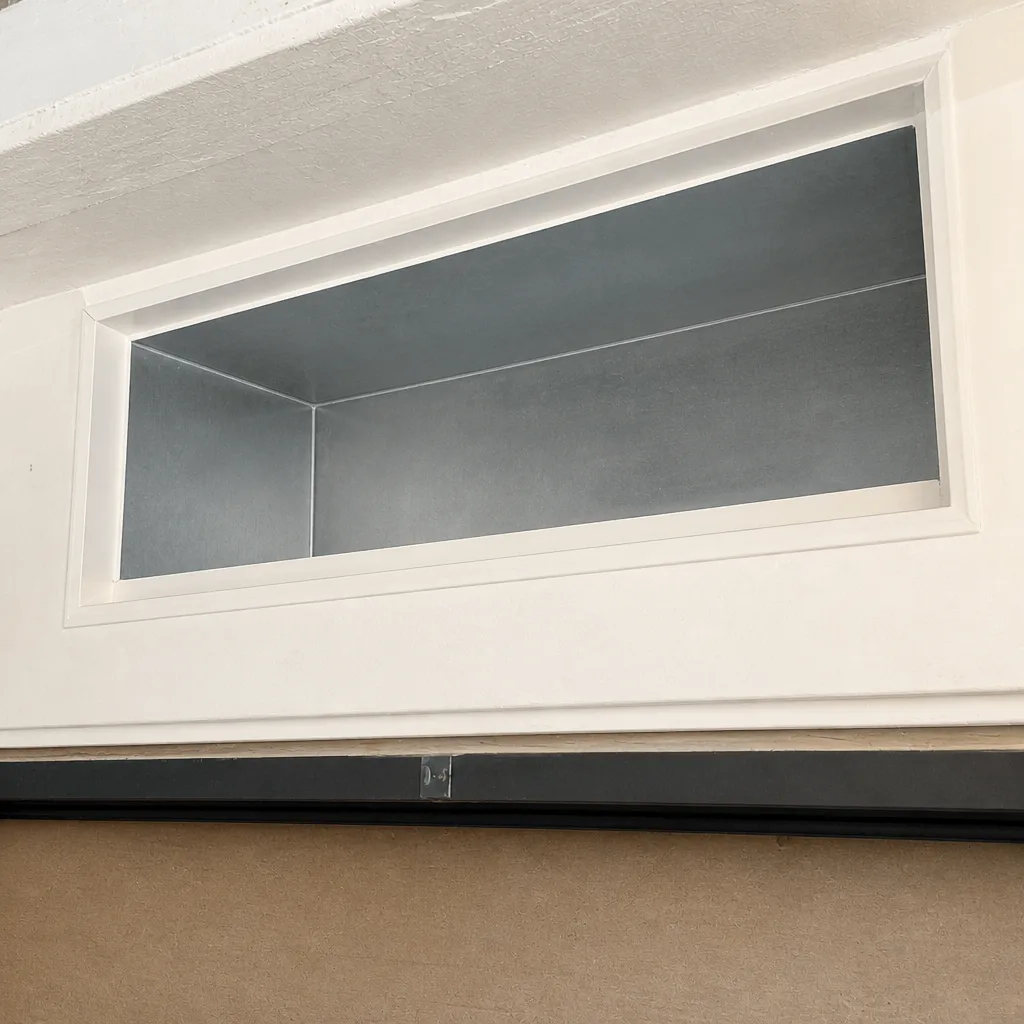
Whole-system duct and dryer vent check with before-and-after photos - you see exactly what came out of your vents
That "$99 whole-house special" is a bait ad - the real number appears once they are in your hallway, or the "clean" is a shop-vac at the register. We photograph the inside of your ducts before and after instead.
Air Duct Cleaning Warning Signs: A Magnolia Homeowner’s Reference Guide
Dust on a register grille can mean three entirely different things. It might be normal settling that a good vacuum pulls away in seconds. It could be a filter bypass dragging unfiltered air past the furnace and blowing it back into your rooms. Or it could be active fiber degradation inside aging flex duct, where the inner liner is breaking down and shedding into the airstream. Each has a different cause, a different fix, and a different urgency level, and only one of them is cosmetic. This guide maps the symptoms Magnolia homeowners actually report to the underlying duct system conditions they usually point to, so you know what you’re looking at before you call anyone.
Quick Answer
The most reliable air duct cleaning warning signs in Magnolia are musty odor that returns after cleaning, visible dark streaking around register frames, uneven room temperatures that don’t match the thermostat setting, and a sudden increase in allergy symptoms indoors. A single dusty grille proves nothing, but two or more of these signals appearing together usually means the duct system has a contamination, sealing, or mechanical problem that needs inspection rather than a routine cleaning alone.
Styles & brands we work with
- Whole-home duct cleaning
- Dryer vent cleaning
- Camera inspection
- Sanitizing & deodorizing
Table of Contents
- Symptom-to-Cause Map: What Each Warning Sign Actually Means
- Dark Streaking Around Registers: Bypass or Something Else?
- Musty Odor: Condensation Problems vs. Biological Growth
- Uneven Room Temperatures Across the House
- Pest Warning Signs in Crawl Space Duct Runs
- Duct Problems vs. HVAC Equipment Problems
- Signs the System Needs Inspection Before Cleaning
- What Magnolia’s Climate and Housing Stock Do to Ducts
Symptom-to-Cause Map: What Each Warning Sign Actually Means
Most homeowners describe a symptom and ask whether cleaning will fix it. The honest answer starts with translating that symptom into a likely cause. Some observations point straight at the ductwork. Others point at the equipment connected to it. And a few point at moisture or pest activity that needs to be resolved before any cleaning happens at all. Our technicians have up to 10 years of experience reading these signals, and the pattern is usually consistent: the specific observation matters more than the general feeling that the air seems off.
Here is how the common symptoms map to likely causes:
- Dust puffing out of a register when the system starts – a duct sealing or filter bypass problem, not a dust problem. The system is pulling dirty air from a gap and delivering it into the room.
- Musty smell that gets stronger when the heat or AC runs – moisture somewhere in the system. Either condensation on cold surfaces or biological growth in the duct interior. These require different responses.
- One room never quite matching the thermostat – a pressure or airflow balance issue. Often a disconnected, crushed, or leaking run rather than a dirty one.
- Symptoms that improve outdoors but return inside – the duct system is holding and re-releasing something the outdoor air doesn’t have.
- Dark lines on walls or ceilings beside a register – air leaking at the boot, carrying dust that settles on the surface as it escapes.
- Small droppings, shredded insulation, or a nest-like clump in a crawl space run – pest activity. This always needs a different response than standard cleaning.
The value of mapping symptoms this way is that it prevents the wrong service from being sold. Cleaning a duct system that has a disconnected run doesn’t fix the room temperature complaint. Sealing a system that has biological growth doesn’t remove the growth. Getting the diagnosis right first is what makes the visit useful. Our air duct cleaning work always begins with that inspection, because we’d rather tell you the cleaning isn’t the right step than sell one that won’t help.
Dark Streaking Around Registers: Bypass or Something Else?
Dark streaks radiating from a register frame are one of the most misread warning signs. Many homeowners assume the streaks mean the whole house is full of dirty air. In practice, streaking usually means air is escaping at the seam between the duct boot and the drywall, and that escaping air carries fine dust that deposits on the wall as it leaves. The duct interior may be reasonably clean. The leak is the problem.
There is a second, less common cause: a filter that doesn’t fit its slot properly. When the furnace filter is undersized, mis-sized, or simply the wrong depth for the cabinet, unfiltered air slips around the edges and gets pulled into the system. That air is dustier than what passes through the filter, and it deposits on surfaces on the way through. Homeowners often replace the filter repeatedly and see no improvement. The filter isn’t the issue. The fit is.
A third possibility deserves a mention because it’s the one that gets missed. As flex duct ages, the inner liner can begin to degrade and shed fibers. Those fibers collect at the register and around the boot, producing a pattern that looks similar to dust streaking but feels different in the hand: lighter, more fibrous, sometimes with a slight sheen. If the streaking material looks like that rather than household dust, the duct run itself may need replacement rather than cleaning.
We look at all three possibilities during an inspection. Duct Repair & Sealing is a core part of what Magnolia Air Duct Cleaning does precisely because these leaks are common and they’re fixable. Sealing the boot and correcting the filter fit resolves the symptom at its source. Cleaning alone would remove the evidence from the wall and leave the cause in place, and the streaks would return within months.
Musty Odor: Condensation Problems vs. Biological Growth
Musty smell is the warning sign that generates the most uncertainty, because two very different problems present almost identically. One is a moisture and sealing problem. The other is active biological growth inside the duct system. They smell similar, they both get worse when the system runs, and they both make a home feel less clean than it should. But the right response to each is different, and treating one as the other usually means the smell returns.
Condensation-related odor happens when cool duct surfaces meet warm, humid air. In Magnolia, with its damp marine climate and long shoulder seasons, ducts in unconditioned spaces and runs crossing crawl spaces stay cold well into the day while outdoor humidity climbs. Moisture beads on the metal, dust in the airstream absorbs it, and a damp, earthy smell develops. The fix here is sealing and insulation: closing the leaks that let humid air reach cold surfaces and making sure the ducts are properly insulated for the space they run through. Cleaning removes the current odor source, but the moisture will re-establish it without the sealing work.
Biological growth is a different animal. When moisture sits long enough, organic material inside the duct system can support growth that cleaning needs to physically remove rather than merely dry out. This calls for contamination-focused cleaning and, where appropriate, sanitizing. Magnolia Air Duct Cleaning uses Abatement Technologies filtration equipment for exactly these situations, because the work involves containing and capturing material that shouldn’t be redistributed into the living space during the process.
Numbered steps to tell them apart:
- Note when the smell is strongest. After a cooling cycle in humid weather points toward condensation. All the time, or after the system has been off for a while, can point toward growth.
- Check for visible moisture or water staining near the air handler or any duct running through a crawl space.
- Look for discoloration inside registers with a flashlight. Patchy dark staining on duct surfaces suggests growth rather than simple dampness.
- Note whether the smell fades after a dry stretch of weather. Condensation odor tends to track humidity. Growth odor tends not to.
If it’s genuinely unclear, that’s a good reason to have the system inspected rather than guess. Our HVAC cleaning covers the air handler and coil, which is where moisture problems often start.
Uneven Room Temperatures Across the House
A room that never quite reaches the thermostat setting is usually described as an HVAC problem. Frequently it’s a duct problem. The distinction matters because the two have different remedies, and a homeowner who calls an HVAC contractor for a duct fault may end up with equipment work they didn’t need.
The common duct-related causes of uneven temperatures:
- Disconnected or separated duct runs. A run that has come apart in the attic or crawl space delivers its air somewhere other than the room. That room stays warm or cool while the rest of the house is fine.
- Crushed flex duct. Flex duct routed through tight spaces can kink or compress, cutting airflow to a fraction of design. The room gets a trickle instead of a flow.
- Closed or obstructed dampers. A balancing damper closed too far, or one that has drifted shut, starves a whole branch.
- Leaks in trunk lines. Air escapes into unconditioned space before it reaches the rooms on the far end of the run.
- Undersized returns. If the system can’t pull air back, it can’t push enough out. Some rooms lose the pressure battle consistently.
What makes uneven temperatures worth taking seriously is that they signal air loss. Air loss means money spent heating or cooling space you don’t live in, and it means the system runs longer than it should. Finding and sealing the leak addresses both at once. Magnolia Air Duct Cleaning pairs cleaning with Duct Repair & Sealing for this reason: the inspection that finds the debris usually also finds the disconnected run, and it makes sense to fix both in the same visit rather than schedule two.
If the temperature imbalance follows a pattern (always the far end of the house, always the room above the garage), the duct layout is the first thing to check. If it moves around unpredictably, equipment or control issues deserve a closer look.
Pest Warning Signs in Crawl Space Duct Runs
Pest activity inside ductwork is common in Magnolia’s housing stock, and it is the warning sign most often misdiagnosed as ordinary dirt. Crawl space duct runs are especially vulnerable. They’re warm, dark, quiet, and made of materials that rodents find useful. A crawl space is also the last place a homeowner looks, which is why the problem can develop for some time before anyone notices a symptom inside the house.
The specific signs to watch for in crawl space duct runs:
- Shredded or displaced insulation around duct runs, particularly at joints and elbows. Rodents pull insulation apart for nesting material.
- Small dark droppings near duct supports or on the vapor barrier below a run.
- Chewed flex duct outer jacket, which exposes the inner liner and creates an entry point into the airstream.
- A nest-like clump of insulation fibers, paper, or plant material lodged against or inside a duct run.
- Grease marks or rub trails along seams and penetrations where animals travel.
- A sharp or stale smell in one specific room rather than the whole house, which often points to a single affected run.
Why pest activity requires a different response than standard cleaning is simple: cleaning removes debris, but it doesn’t close the entry point. If a duct has been chewed through, cleaning the system and reinstalling it as-is leaves an open path for the same problem to recur. The right sequence is to identify the affected run, confirm whether the duct needs repair or replacement, seal the entry point, then clean the system. Some contaminated flex runs are beyond cleaning and should be replaced outright.
We treat pest-related findings separately from routine cleaning for exactly this reason. If you find evidence in a crawl space run, the system needs inspection before anyone runs a cleaning machine through it. Scheduling that inspection early, before the system operates through a full season, keeps the problem from spreading to other runs.
Duct Problems vs. HVAC Equipment Problems
A surprising share of what homeowners describe as dirty ducts turns out to be an equipment issue, and vice versa. Sorting the two apart is worth doing before booking any service, because cleaning a duct system won’t fix a failing blower and replacing equipment won’t fix a leaking trunk line.
Signals that point toward the duct system:
- Room temperatures vary room to room while the equipment itself runs normally.
- Dust concentrates at specific registers rather than spreading evenly.
- Airflow from one register is noticeably weaker than from another.
- A whistling or rushing sound at a register, which usually indicates a pressure problem.
- Visible damage, disconnection, or kinking in accessible duct runs.
Signals that point toward the equipment:
- The system short-cycles or runs constantly, regardless of room temperatures.
- No airflow at all from any register while the system runs.
- Rattling, banging, or grinding noises from the air handler or outdoor unit.
- Ice forming on refrigerant lines or the coil.
- Uneven temperature that follows equipment cycles rather than room position.
- A musty smell concentrated at the coil or air handler cabinet rather than throughout the house.
Some problems sit at the boundary. A wet evaporator coil can create moisture that migrates into the duct system, producing an odor that looks like a duct problem but starts at the equipment. That’s why our HVAC cleaning work includes the air handler and coil, not just the duct interiors. Magnolia Air Duct Cleaning works with Honeywell and Aprilaire whole-home systems, so we also check whether controls and filtration equipment are doing what they’re supposed to do. If the equipment needs a repair we don’t handle, we’ll tell you that plainly rather than clean around it.
One practical rule: if the complaint is about air quality or distribution, start with the ductwork. If the complaint is about the system’s ability to run, start with the equipment.
Signs the System Needs Inspection Before Cleaning
Not every duct system should be cleaned on the first visit. Some conditions make cleaning unwise until they’re resolved, either because the cleaning would spread contamination or because the system isn’t sound enough to clean safely. Recognizing these signs protects the homeowner from paying for work that has to be redone.
- Visible biological growth inside the duct or on the air handler. Cleaning can aerosolize growth. Containment comes first, then removal. This is where Abatement Technologies filtration equipment earns its place in the process.
- Active pest activity or chewed duct runs. The entry point needs to close and the damaged run needs assessment before the system is cleaned.
- Asbestos-containing duct wrap or insulation in older homes. If the material is in questionable condition, an inspection happens before anyone disturbs it.
- Disconnected or crushed duct runs. Cleaning a system that isn’t sealed just moves debris through a broken path. Repair first.
- Standing water or active moisture intrusion in a crawl space. The moisture source needs attention before cleaning or the problem returns quickly.
- A musty smell with no visible cause. Odor without a clear source warrants investigation, because cleaning blindly may not resolve it.
- Recent renovation or construction dust. Fine drywall dust can overload filters and coat surfaces in ways that need assessment before cleaning begins.
Here’s how we approach a first visit. Our technicians inspect the accessible duct system, look at the equipment, check the filter fit, and photograph what they find before any cleaning starts. If the system needs repair or evaluation before cleaning, we say so. If cleaning is the right step, we walk through what will happen and what the professionals we connect you with will do first. One visit, the full picture: inspection, cleaning, and repair if needed.
What Magnolia’s Climate and Housing Stock Do to Ducts
Magnolia sits in a marine climate with damp winters, moderate summers, and humidity that lingers well into spring. That combination shapes the warning signs homeowners here are most likely to see. Condensation problems are more common in Magnolia than in drier climates, and musty odors that track the weather are frequently moisture issues rather than growth. Crawl space construction, common in the area’s older housing stock, puts duct runs in a cool, damp, accessible-to-pests environment that doesn’t exist in slab-on-grade homes.
That means a duct system in Magnolia needs attention to three things that a homeowner in a drier climate can often skip:
- Vapor barriers and insulation condition on crawl space runs. Damp crawl spaces leave flex duct vulnerable to moisture from below.
- Sealing at boots and penetrations. Small gaps that let humid air into a cold system create the moisture conditions that lead to odor.
- Pest inspection of accessible runs. Rodent activity in crawl spaces is a recurring issue in this housing stock, and a routine check catches it before it spreads.
Our technicians have up to 10 years of experience working in Pacific Northwest homes, and the pattern is consistent: systems that get looked at periodically hold up better than systems that only get attention when something fails. Magnolia Air Duct Cleaning uses Rotobrush and Nikro equipment on every job because these are purpose-built duct cleaning systems, not consumer vacuums. They reach surfaces and volumes a shop vac can’t. For homeowners with whole-home air quality equipment, we also check Honeywell and Aprilaire components so the full system is doing its job.
Common Mistakes to Avoid
- Assuming dust means the ducts need cleaning. Dust on a register is the least specific signal on this list. Check for a filter fit or sealing problem before booking a cleaning on that alone.
- Cleaning before repairing. Cleaning a duct system with disconnected or crushed runs wastes the cleaning and leaves the cause in place. In Magnolia’s crawl space homes, a leaky run is common and worth checking first.
- Treating musty odor as a cleaning problem. If the cause is moisture or growth, cleaning without solving the moisture problem means the smell returns within a season.
- Ignoring crawl space duct runs because they’re out of sight. It’s the most common place for pest damage and insulation displacement in this housing stock, and the least likely to be noticed.
- Replacing filters repeatedly without checking fit. A loose filter lets unfiltered air bypass it entirely. If new filters keep coming out dirty while the dust problem continues, the fit is the issue.
- Assuming the HVAC equipment is at fault when rooms won’t balance. Room-by-room temperature variation is usually airflow, not equipment capacity.
- Skipping the inspection on a first cleaning. A quality cleaning begins with an assessment. If a provider skips the inspection entirely, you won’t know what the system needed.
See the difference
 Before
 After
 Before
 After
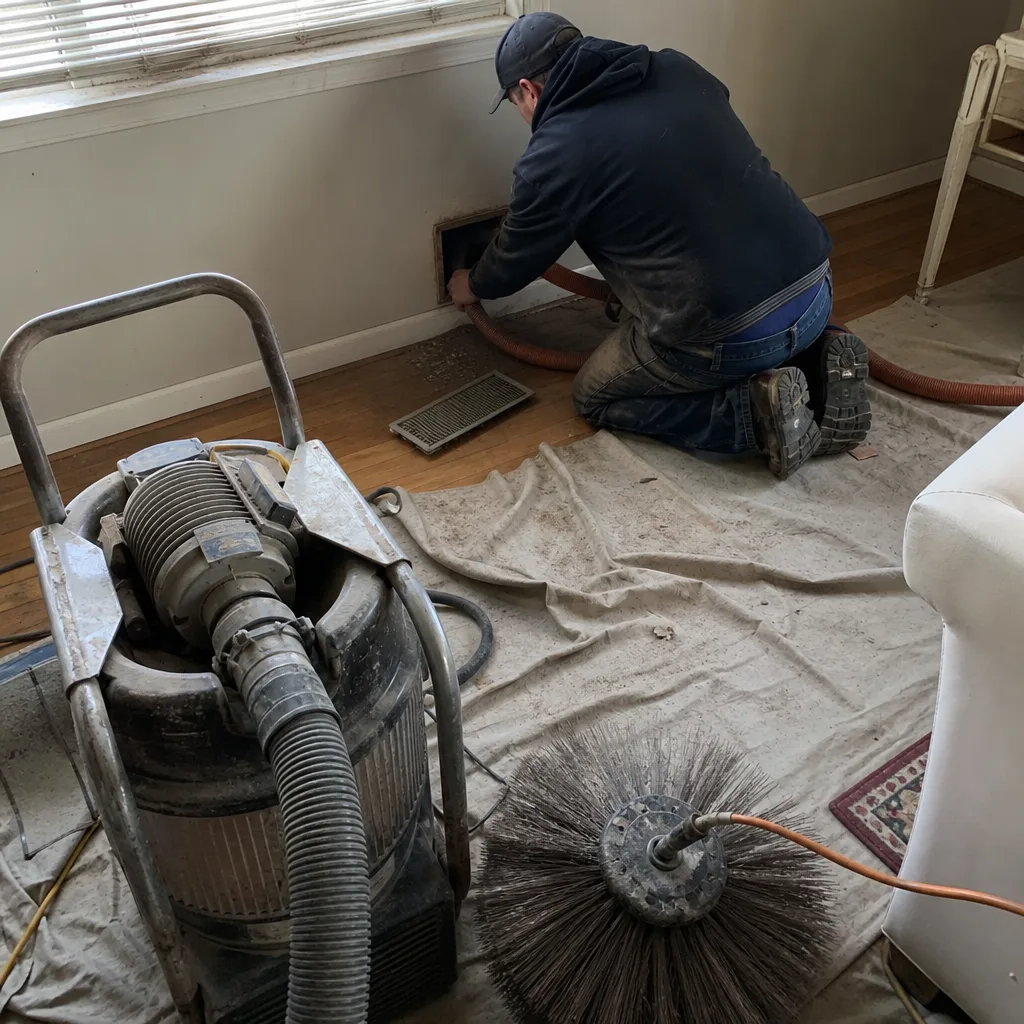 Before
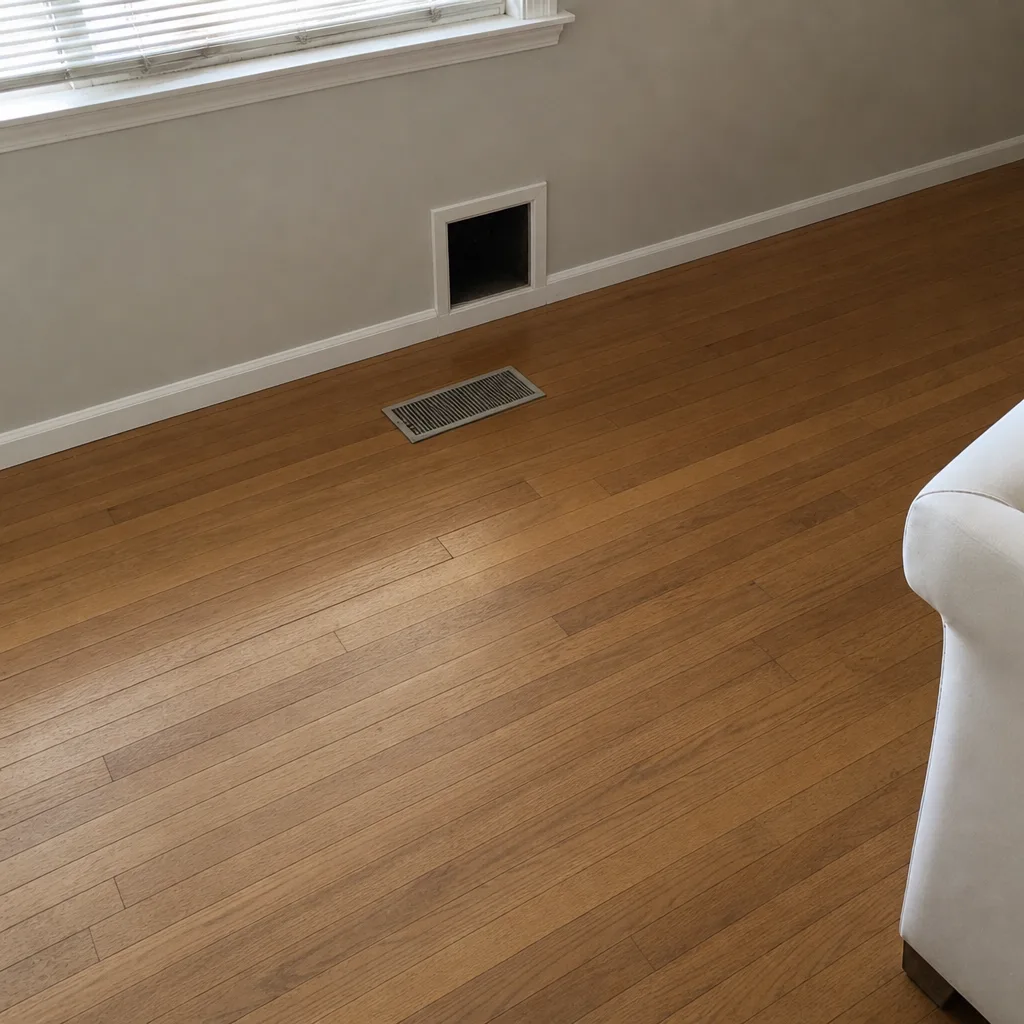 After
When to Call a Professional
Call when two or more warning signs appear together, when a musty odor keeps returning after a cleaning, when you find pest evidence in a crawl space duct run, or when dark streaking appears around multiple registers. Call before scheduling a cleaning if you’ve spotted visible growth, chewed duct runs, or standing moisture in a crawl space, since those need inspection before cleaning. If you’re unsure which category your symptom falls into, that’s the most useful reason to call of all: an inspection answers it in one visit.
Magnolia Air Duct Cleaning offers free estimates in Magnolia. We answer 24/7, and fast dispatch runs from 7am to 7pm, Sunday through Friday. Call (877) 309-8232. The price is set per job by the written estimate, so you agree to the scope and cost before any work starts. Our team can also handle dryer vent cleaning during the same visit if you’d like the full picture checked at once.
Frequently Asked Questions
You need cleaning when two or more specific warning signs appear together: visible growth, musty odor that returns, uneven room temperatures, pest evidence, or significant debris in the airstream. A single dusty register isn’t enough reason. An inspection confirms whether cleaning is the right step or whether the system first needs sealing or repair.
Because the cleaning addressed the debris but not the moisture source. Condensation odor and biological growth both return if the underlying dampness or sealing gap isn’t resolved. Ask for an inspection that looks at duct insulation, crawl space conditions, and boot sealing before the next cleaning.
Duct systems can hold and recirculate particulates that aggravate allergies, particularly when growth, pest debris, or degraded flex duct liners are present. Symptoms that improve outdoors and return indoors are a reasonable reason to have the system inspected. It’s worth ruling out duct-related sources rather than assuming indoor air is the issue.
Not necessarily, but it’s worth checking. Streaking usually means air is escaping at the boot-drywall seam, which is a sealing issue rather than a contamination issue. It also occasionally indicates filter bypass or flex duct liner degradation. An inspection sorts which one it is.
It usually means a duct run serving that room is disconnected, crushed, restricted, or leaking. The equipment may be running correctly and the room still loses out because the air doesn’t arrive. Repair and sealing are the typical fixes, not a larger HVAC system.
Stop operating the system and have it inspected before any cleaning. Pest activity in crawl space runs often means the duct jacket has been compromised, which needs repair or replacement before the system is cleaned. Cleaning a chewed duct without closing the entry point allows the problem to return.
The Bottom Line
The most useful thing to take from this guide is that duct warning signs are not all the same kind of signal. Dust points to sealing. Musty odor points to moisture, and telling condensation from growth tells you what fix is needed. Uneven temperatures point to airflow and repair. Pest evidence points to a compromised run that needs assessing before cleaning. Read the specific sign, not the general feeling that the air is off. Magnolia Air Duct Cleaning inspects before cleaning, uses Rotobrush and Nikro equipment, and pairs cleaning with repair and sealing so the cause gets addressed rather than the symptom. For a free estimate in Magnolia, call (877) 309-8232.
For the full scope of what we handle, start at Magnolia Air Duct Cleaning.
Written by the team at Magnolia Air Duct Cleaning.