
Last updated November 24, 2026
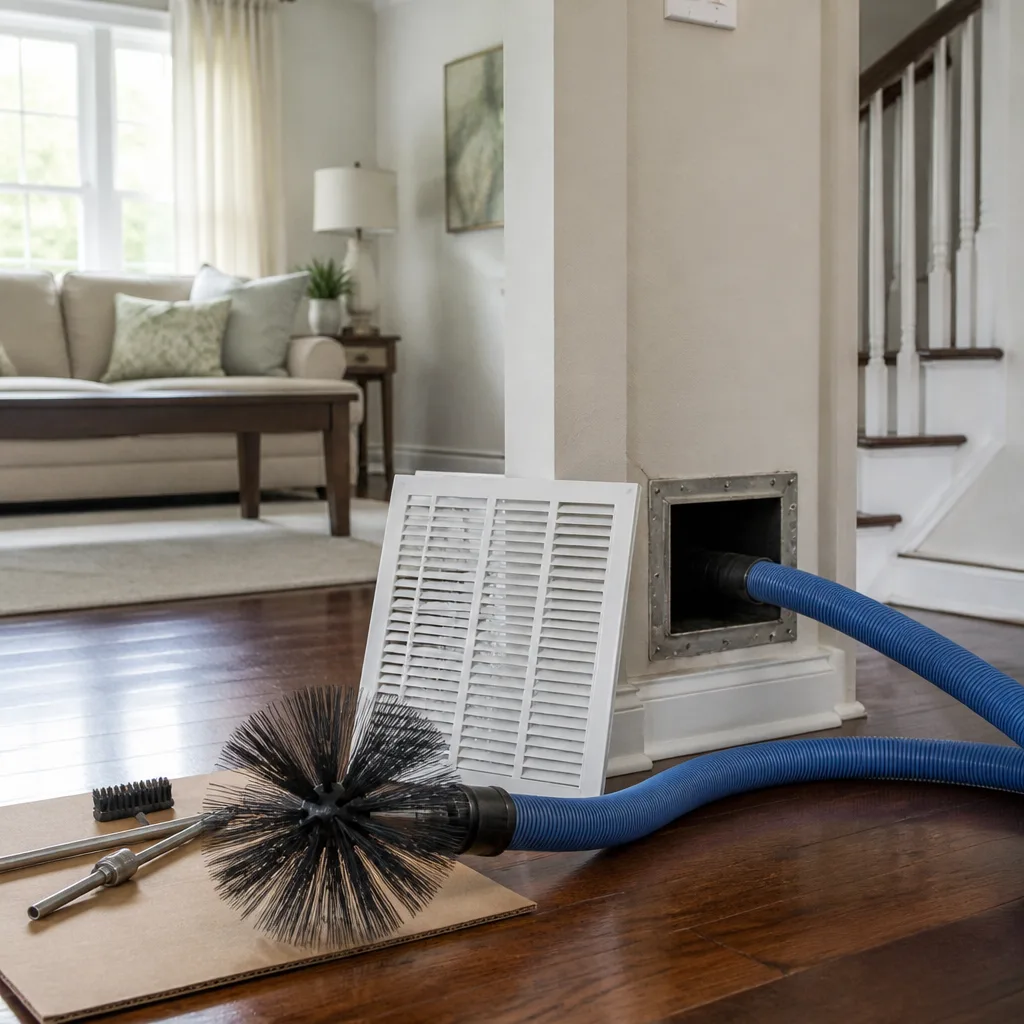 Whole-home duct cleaning
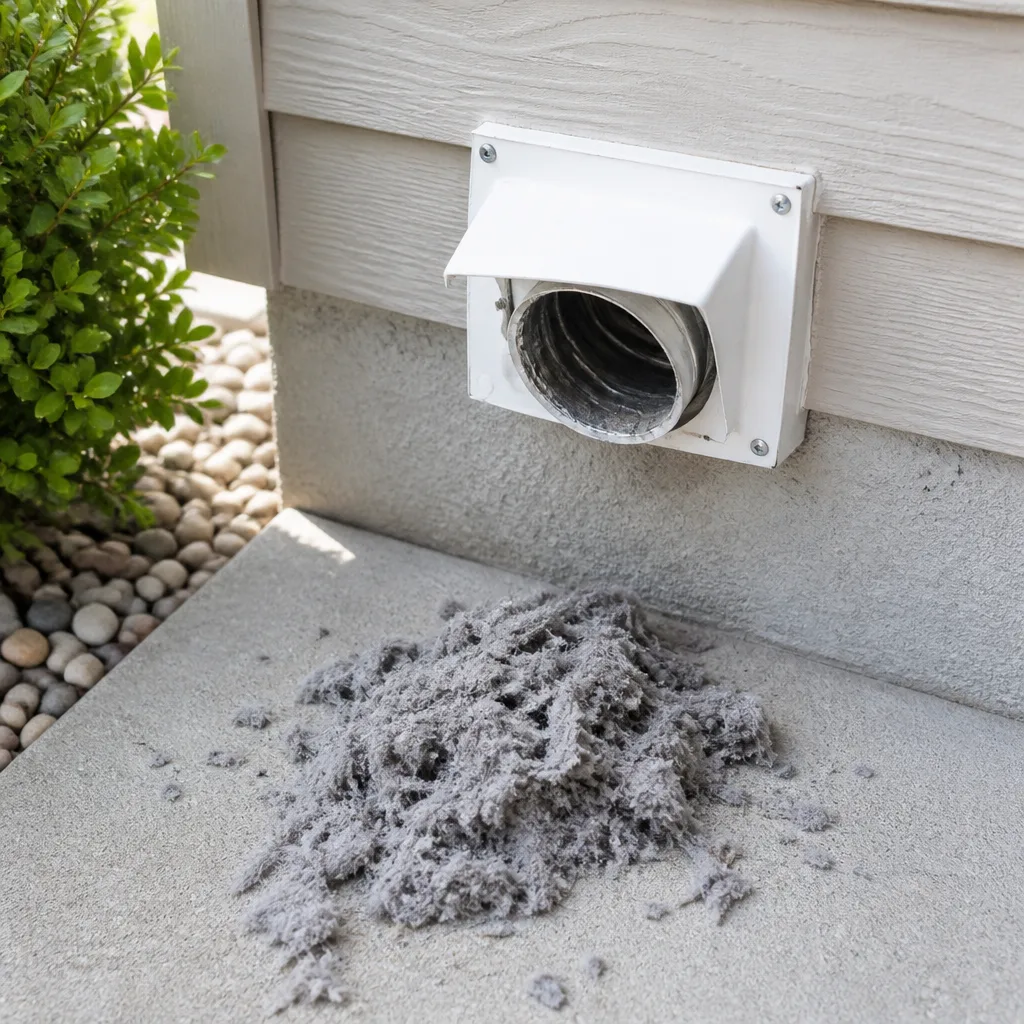 Dryer vent cleaning
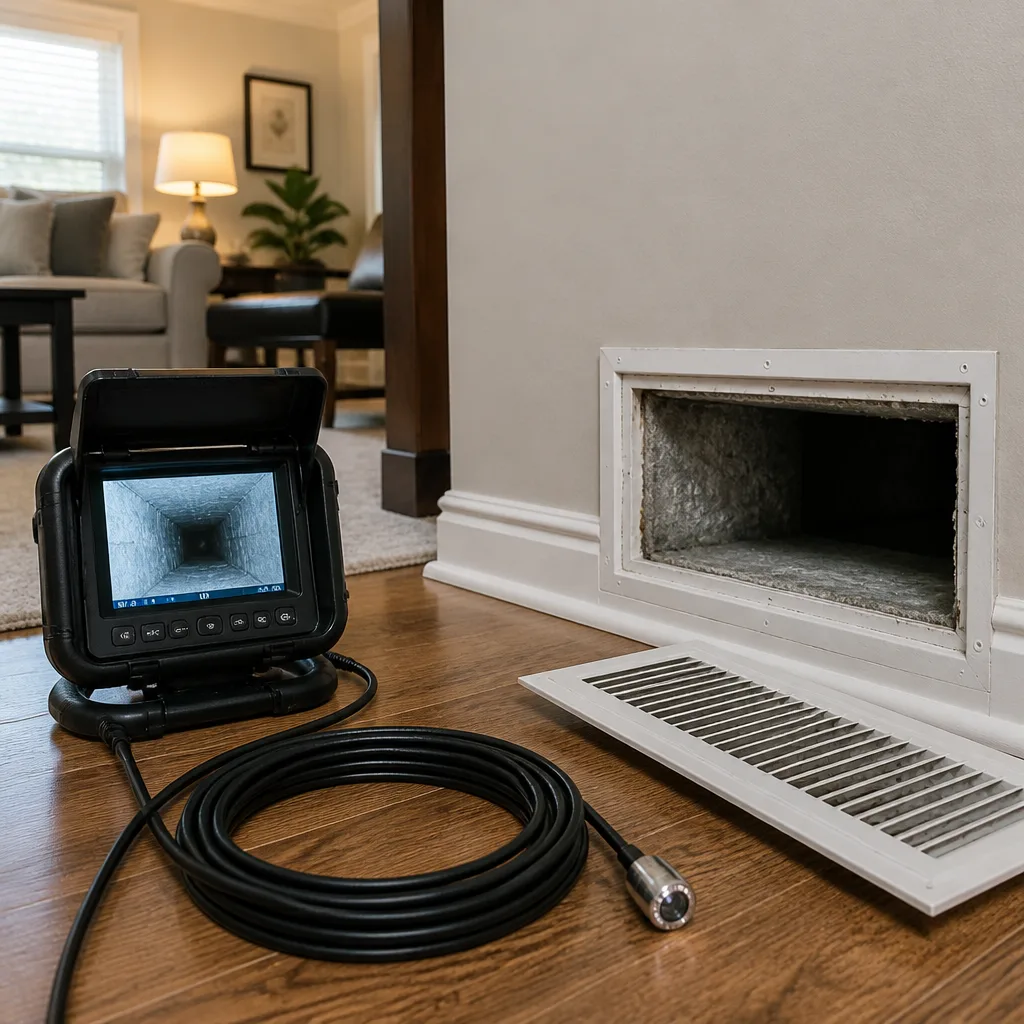 Camera inspection
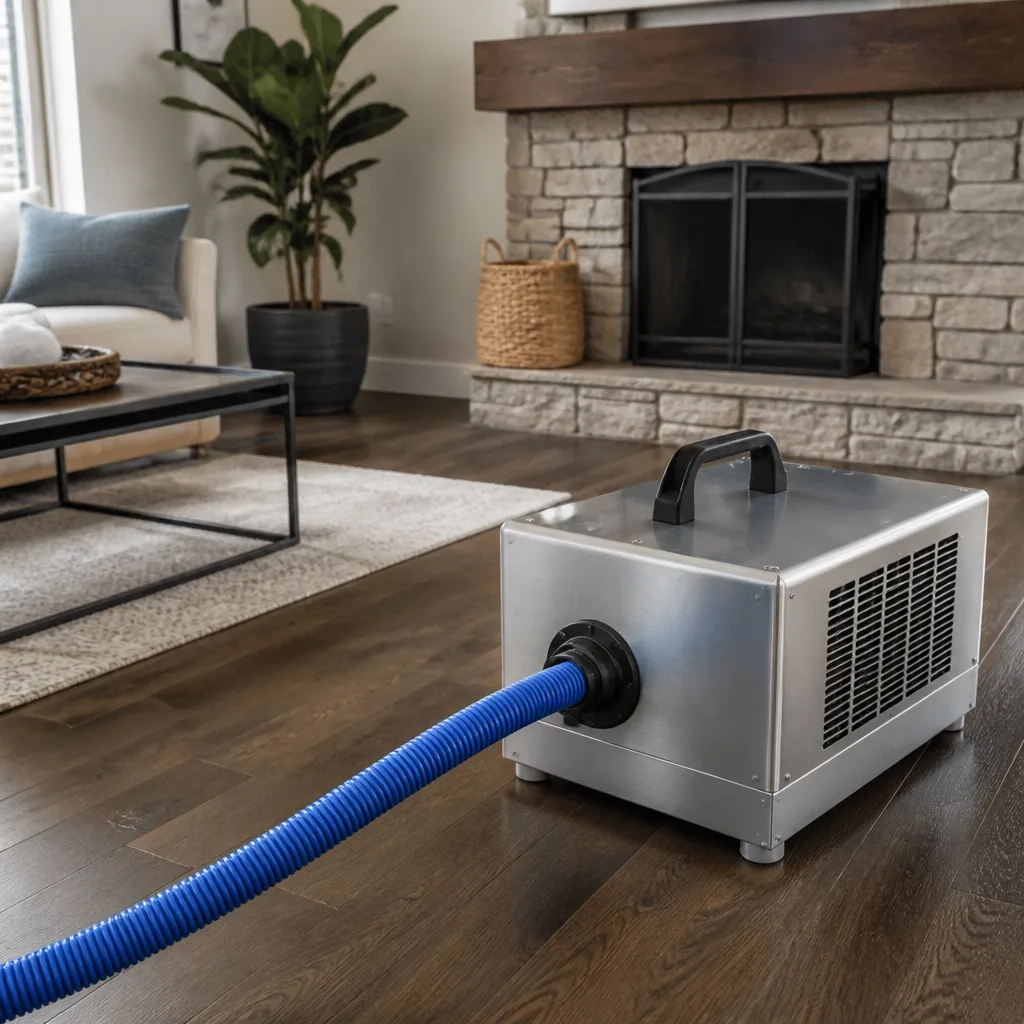 Sanitizing & deodorizing
Whole-system duct and dryer vent check with before-and-after photos - you see exactly what came out of your vents
That "$99 whole-house special" is a bait ad - the real number appears once they are in your hallway, or the "clean" is a shop-vac at the register. We photograph the inside of your ducts before and after instead.
Air Duct Cleaning Maintenance Schedule: What to Do and When
If you have a dog, run your HVAC fan continuously, or moved into a home that sat vacant for a season, the standard “every three to five years” cleaning interval was not calculated with your house in mind. That number comes from broad averages, and averages smooth over the variables that actually decide how fast a duct system collects dust, moisture, and debris. In Magnolia, those variables are specific: crawl spaces, wet winters, dense pet households, and older homes that have been renovated more than once. This guide builds a maintenance schedule around the conditions in your home, not around a slogan. We’ll cover what you can handle yourself, what needs professional equipment, and how to document your system so each visit builds on the last instead of starting over.
Quick Answer
Most Magnolia homes need a professional duct cleaning every three to five years, but that interval drops to every two to three years for homes with multiple pets, continuous fan operation, crawl-space ductwork, recent renovation, or a long vacancy before move-in. In between, homeowners should change filters every one to three months, vacuum registers monthly, and check for visible dust or moisture quarterly. Professional deep cleaning, duct sealing, and sanitizing each sit on their own line of the calendar.
Styles & brands we work with
- Whole-home duct cleaning
- Dryer vent cleaning
- Camera inspection
- Sanitizing & deodorizing
Table of Contents
- Why the Standard Cleaning Interval Doesn’t Fit Every Magnolia Home
- The Four Factors That Shorten Your Cleaning Interval in Magnolia
- What You Can Maintain Yourself
- What Requires Professional Equipment
- Building Your Tiered Schedule: Monthly, Annual, and Triggers
- Duct Sealing and Sanitizing: Separate Items, Not Add-Ons
- How to Document Your Duct System Over Time
- Signs Your Schedule Needs to Move Up
Why the Standard Cleaning Interval Doesn’t Fit Every Magnolia Home
“Every three to five years” is a reasonable baseline, and it’s what most of the industry repeats. The problem is that a baseline can’t account for how much a specific house asks of its ducts. A two-person household with no pets and a well-sealed system may genuinely go five years without a cleaning. A home with three dogs, a fan set to run continuously, and a dusty crawl space below the main trunk line might collect the same volume of debris in eighteen months.
In Magnolia, several conditions push homes toward the shorter end. The wetter months mean more moisture in the air and in crawl spaces, which makes dust cling to duct surfaces instead of blowing through. Crawl-space duct runs sit closer to soil and damp framing, so they’re exposed to conditions an attic system never sees. And a large share of Magnolia homes have been added onto, re-roofed, or remodeled at some point, which leaves construction debris and disrupted seals behind walls where nobody thinks to look.
We’ve seen the difference firsthand. When our technicians run a Rotobrush system through a crawl-space trunk line in a pet household, the material pulled out doesn’t match what comes out of a sealed, pet-free system of the same square footage. That’s why we build every estimate around the home’s actual conditions rather than a calendar rule. For a closer look at what the cleaning itself involves, see our air duct cleaning page.
The Four Factors That Shorten Your Cleaning Interval in Magnolia
Four conditions drive most of the variation we see in Magnolia duct systems. If any of them describe your home, move your cleaning up rather than down the calendar.
1. Crawl-Space Ductwork
Many Magnolia homes run their main trunk and branch lines through a crawl space rather than a conditioned attic. Crawl spaces in this climate stay damp through the wet months, and that moisture finds its way to duct insulation and exterior surfaces. Dust that settles on a damp duct surface clings harder and supports more biological growth than dust on a dry one. Homes with crawl-space ductwork are good candidates for a sealing inspection along with cleaning, since gaps and disconnected joints in that environment let in soil, moisture, and outside air.
2. High Pet Occupancy
One dog or two cats makes a difference. Three or more pets, especially double-coated dogs, pushes a tremendous amount of hair and dander into return air. Hair wraps around register grilles, mats into fiberglass liner, and settles into the return plenum. Pet households in Magnolia typically land on a two-to-three-year cleaning cycle, sometimes shorter if a fan runs continuously.
3. Continuous Fan Operation
When a thermostat is set to run the blower constantly (common in homes designed for balanced filtration or humidity control), the HVAC system pulls air through the ductwork around the clock instead of only during heating and cooling calls. That continuous airflow means continuous debris capture. If your fan runs all day, your ducts are working a double shift, and your cleaning schedule should reflect it.
4. Post-Renovation and Vacancy Debris
Drywall dust, sawdust, insulation fibers, and construction dust settle into the system during a remodel and get pulled through the ducts for months afterward. A home that sat vacant can be just as bad: dust settles, humidity rises, and registers become collection points for insects and rodent activity. Either situation calls for a professional cleaning after the work is done, not before.
What You Can Maintain Yourself
The homeowner’s job in duct maintenance is simple and consistent: keep the air entering the system clean and keep the visible parts of the system clear. Everything past that needs professional equipment.
- Change the filter on a real schedule. Check it monthly and replace it every one to three months, depending on filter thickness and how much dust and pet hair your household produces. Write the date on the filter frame with a marker so you can see at a glance when it went in.
- Vacuum registers monthly. The grille is where you’ll see the first sign of buildup. A brush attachment on a household vacuum pulls surface dust off the louvers so it doesn’t migrate into the duct.
- Look for moisture quarterly. Check for condensation on ducts, water stains near registers, or a musty smell when the system runs. Moisture is the one thing that jumps your cleaning priority.
- Keep return air unobstructed. Furniture, rugs, and storage crowding a return grille starve the system and pull more dust through gaps. Leave at least a few inches of clearance.
- Note changes in airflow. If one room feels weak when it didn’t before, that’s information worth writing down. It might be a closed damper, a crushed flex run, or a disconnected joint.
That’s the full homeowner list. If you’re doing these five things, you’re protecting the interval between cleanings. What you can’t do yourself is open the trunk line, inspect interior duct surfaces, or reach the plenum and coil, which is where the real condition of the system lives.
What Requires Professional Equipment
Professional duct cleaning is about access and air movement, not effort. A household vacuum can’t move the volume of air required to pull attached debris from the walls of a trunk line, and it can’t reach past the register boot.
Here’s what Magnolia Air Duct Cleaning does in a full-system cleaning that a homeowner can’t replicate:
- Source-side negative pressure. We use professional-grade Rotobrush and Nikro systems to put the entire duct run under controlled negative pressure, so debris is pulled toward the collection point rather than pushed into the home.
- Agitation of interior surfaces. Rotary brushes and high-velocity air whips break material loose from the duct walls, including the fiberglass liner on the inside of branch runs.
- Plenum and coil access. The plenum, the coil cabinet, and the blower compartment hold a large share of the system’s dust load. Cleaning just the branch ducts and skipping these is a partial job.
- Containment. Abatement Technologies air filtration equipment handles contamination scenarios where simple debris removal won’t do, keeping dust and particles contained during the work.
- Inspection with the system open. Disconnected joints, crushed runs, and gaps at the plenum are visible once the ducts are opened. We note them and can repair them in the same visit through our duct repair and sealing service.
Our technicians have up to 10 years of experience working with the equipment and systems that sit inside a home’s ductwork. We use Rotobrush and Nikro because they’re purpose-built machines, not shop-vac workarounds, and they let us clean a full system without cutting corners on the branch runs.
Building Your Tiered Schedule: Monthly, Annual, and Triggers
A maintenance calendar works better when you split it into three tiers: what you do every month, what you do once a year, and what triggers a full professional deep clean. Building it this way means you’re never guessing about what’s due and never waiting on a five-year reminder that may be wrong for your house.
Monthly Homeowner Tasks
- Change or check the filter.
- Vacuum visible register grilles.
- Walk the house and note any change in airflow or new smells.
- Check the filter date and confirm the fan setting matches what you intended.
Annual Professional Checkpoints
- HVAC system check. Have the blower, coil, and cabinet inspected annually by a qualified HVAC professional. Dust loaded onto a wet coil is a nest for biological growth, and a clean coil is your best protection against odor. Our HVAC cleaning service covers the cabinet and coil side of the system.
- Dryer vent inspection. Once a year, have the dryer vent line evaluated. Lint buildup in a dryer vent is one of the leading causes of residential fires, and it’s an entirely separate system from your air ducts. Our dryer vent cleaning service handles this on its own schedule.
- Whole-home air quality equipment check. If your home runs a Honeywell or Aprilaire filtration or humidification system, have it checked annually alongside the HVAC service. We’re certified to work with those systems, which means we can clean the ductwork and service the air quality equipment in one visit.
Deep-Clean Triggers
- A move into a recently renovated, foreclosed, or long-vacant home.
- Any renovation that generated drywall dust, sawdust, or insulation fibers.
- A change in pet count or a new continuous-fan setting.
- Visible dust streaking from registers, or a persistent musty smell.
- Three to five years since the last professional cleaning (or two to three years for high-pet or crawl-space homes).
Together, these three tiers make the question of “how often” much easier to answer. You’re not waiting on a timer. You’re responding to real conditions in a specific house.
Duct Sealing and Sanitizing: Separate Items, Not Add-Ons
Cleaning gets the debris out. Sealing keeps it from coming back and keeps the air you’re paying to condition from leaking into a crawl space or attic. Sanitizing addresses the surfaces after cleaning when contamination is a concern. These are three distinct tasks with their own triggers on your maintenance calendar, and it’s a mistake to think of sealing and sanitizing as optional extras bolted onto a cleaning.
Here’s how we think about each one:
- Cleaning is the scheduled maintenance. It removes accumulated dust, hair, and debris from the interior surfaces of the system. The frequency depends on the factors we covered above.
- Sealing is a repair, and it’s triggered by what an inspection finds. Gaps at the plenum, disconnected joints, loose register boots, and crushed flex runs all cost you conditioned air and pull in unfiltered air from wherever the duct passes. Sealing those leaks addresses the root cause rather than the symptom, and it’s a distinct line item on the calendar, usually needed once and then revisited every few years.
- Sanitizing is a treatment applied after cleaning when a specific condition calls for it: musty odor, prior water intrusion, pest activity, or elevated contamination found during inspection. It’s not something every home needs every visit, and treating it as a fixed annual task usually means paying for something that isn’t necessary.
We list these separately in our estimates so you know exactly what’s being done and why. If an inspection finds no gaps and no contamination, we’ll tell you that and skip both. The point of a full-service approach isn’t doing more work, it’s having the capability to address whatever the system actually needs in a single visit. Duct repair and sealing in Magnolia is one of our five core services for exactly this reason, and we often pair it with a cleaning when the access is already open.
How to Document Your Duct System Over Time
The single most useful piece of home maintenance equipment for your ducts is a folder. Every visit should leave you with a written record: date, what was cleaned, what was found, what was sealed, and what the technician recommends for next time. Photos and video of the interior duct surfaces before and after cleaning are the most valuable item in that folder, because they show change over years rather than a snapshot in isolation.
Here’s what to keep, and why it matters:
- Date and service summary of every professional visit. This is your baseline for deciding when the next one is due, and it eliminates the “was it three years or five?” guesswork.
- Before-and-after photos of the ducts, plenum, and coil. Magnolia Air Duct Cleaning provides photos of your own system, not stock images, so you can see the actual condition of your ducts.
- Written notes on any repair or sealing work. Future technicians need to know which joints have already been sealed so they don’t spend time re-diagnosing a leak that’s been fixed.
- Filter change dates and brand. A simple log saves you from arguing with yourself about whether the filter went in last month or three months ago.
- Any notable events: renovations, water intrusion, pest activity. When you move or sell, this file is evidence that the system has been cared for instead of neglected.
The value here is continuity. When a technician walks in with a documentation file, they aren’t starting from scratch. They know what the ducts looked like three years ago, what changed in the house since, and whether the current condition represents normal wear or a new problem. That’s how you make good decisions about when the next cleaning is due instead of following a generic rule.
Signs Your Schedule Needs to Move Up
Even a well-built schedule needs to flex. If any of the following shows up between scheduled cleanings, move your next appointment forward rather than waiting it out.
- Visible dust around registers or on nearby surfaces that reappears within days of dusting. That’s a sign the system is actively distributing dust, not just collecting it.
- A musty or damp smell when the system kicks on. Odor is usually the first sign of moisture in the system and warrants an inspection rather than a wait-and-see.
- New or worsening allergy symptoms indoors in a household member, especially during the wetter months. This is a conversation worth having with a professional, since the system is one contributing factor among several.
- Weak airflow in one or more rooms. Often a sign of a disconnected joint or crushed run, not a debris issue, and it’s better diagnosed by an inspection than a guess.
- Rodent or insect evidence near registers or the return. This warrants a professional inspection and, depending on what’s found, sanitizing after cleaning.
- A recent renovation. Even a small remodel puts drywall dust into the system. Clean after the work, not before.
Common Mistakes to Avoid
- Cleaning by calendar alone. Following the “3-5 year” rule without adjusting for pets, crawl-space ductwork, or a continuous fan means some homes get cleaned too late and others too early. Match the interval to the home.
- Cleaning ducts before renovation instead of after. A cleaning before the drywall goes up is wasted money, because the renovation dust will settle into the system within weeks. Schedule the post-renovation cleaning as the last step of the project.
- Skipping the coil and plenum. Cleaning just the branch ducts and registers leaves a large share of the system’s dust load untouched. Ask whether the plenum and coil cabinet are included.
- Treating sealing as optional. Leaky ducts pull in unfiltered attic or crawl-space air, which re-dirties the system faster than normal use. If an inspection finds gaps, seal them.
- Overlooking the dryer vent. It’s not part of the HVAC system, but it’s still part of your home’s ventilation maintenance and carries its own safety weight. Put dryer vent cleaning on its own annual check, separate from duct cleaning.
- Not keeping records. If the next technician has to start from zero, you lose the ability to see how the system is trending. Keep photos, dates, and repair notes in one file.
- Buying cleaning without inspection. A cleaning that isn’t paired with an inspection misses the chance to catch disconnected joints, crushed runs, and gaps at the plenum. Inspection is what turns a cleaning into a diagnosis.
See the difference
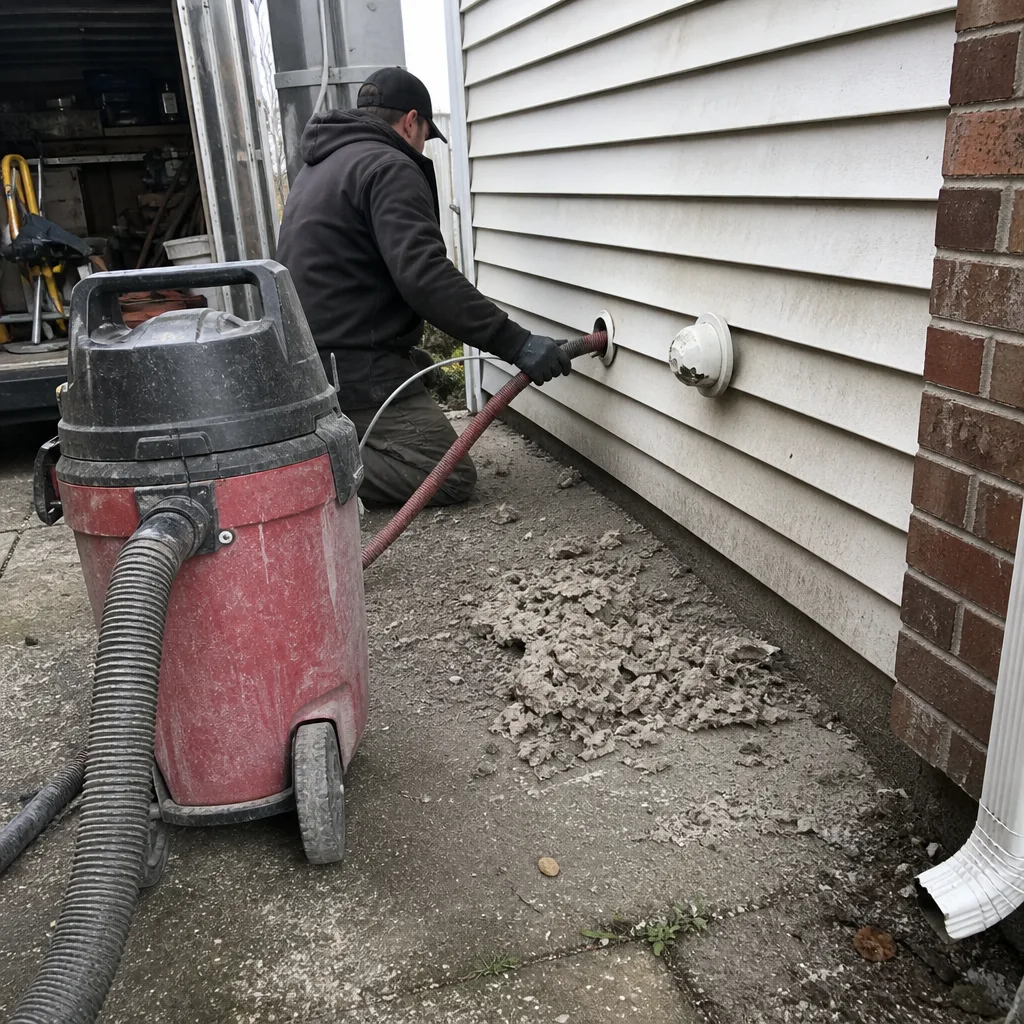 Before
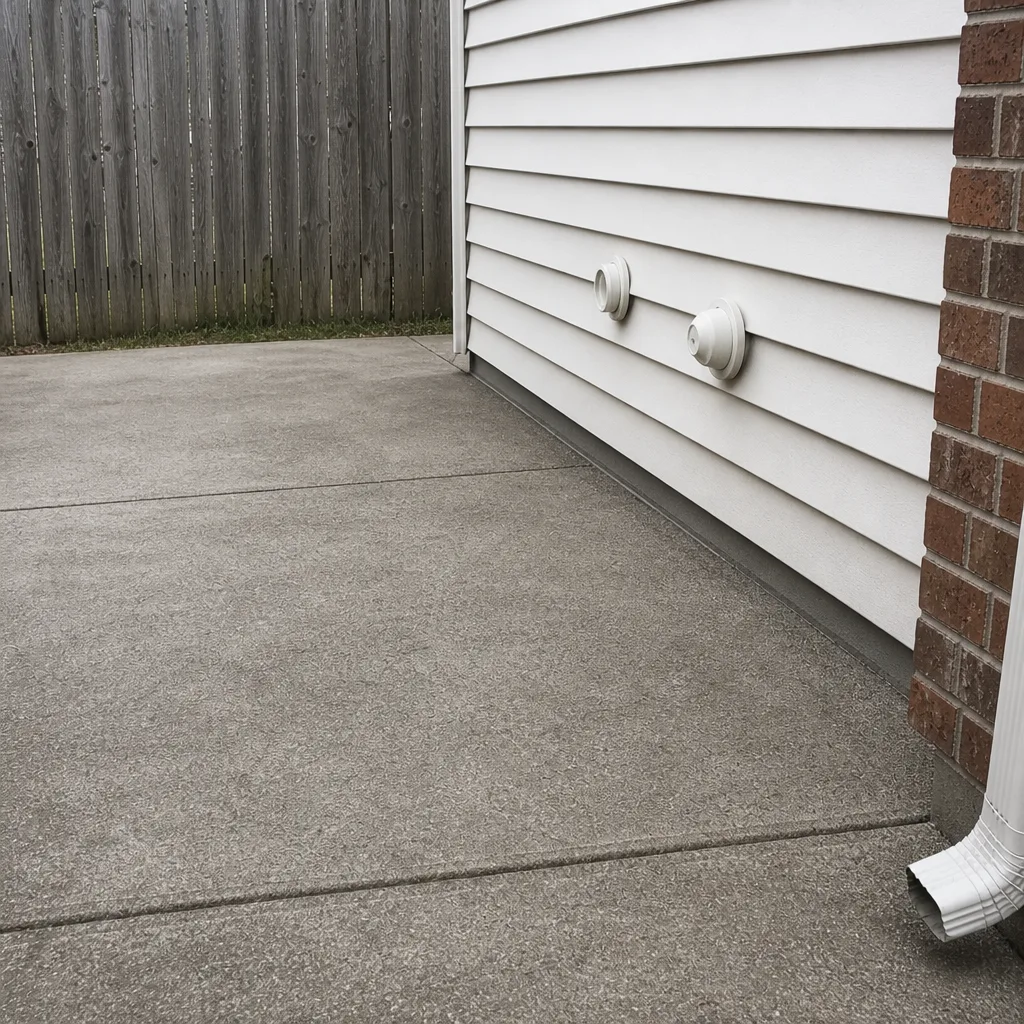 After
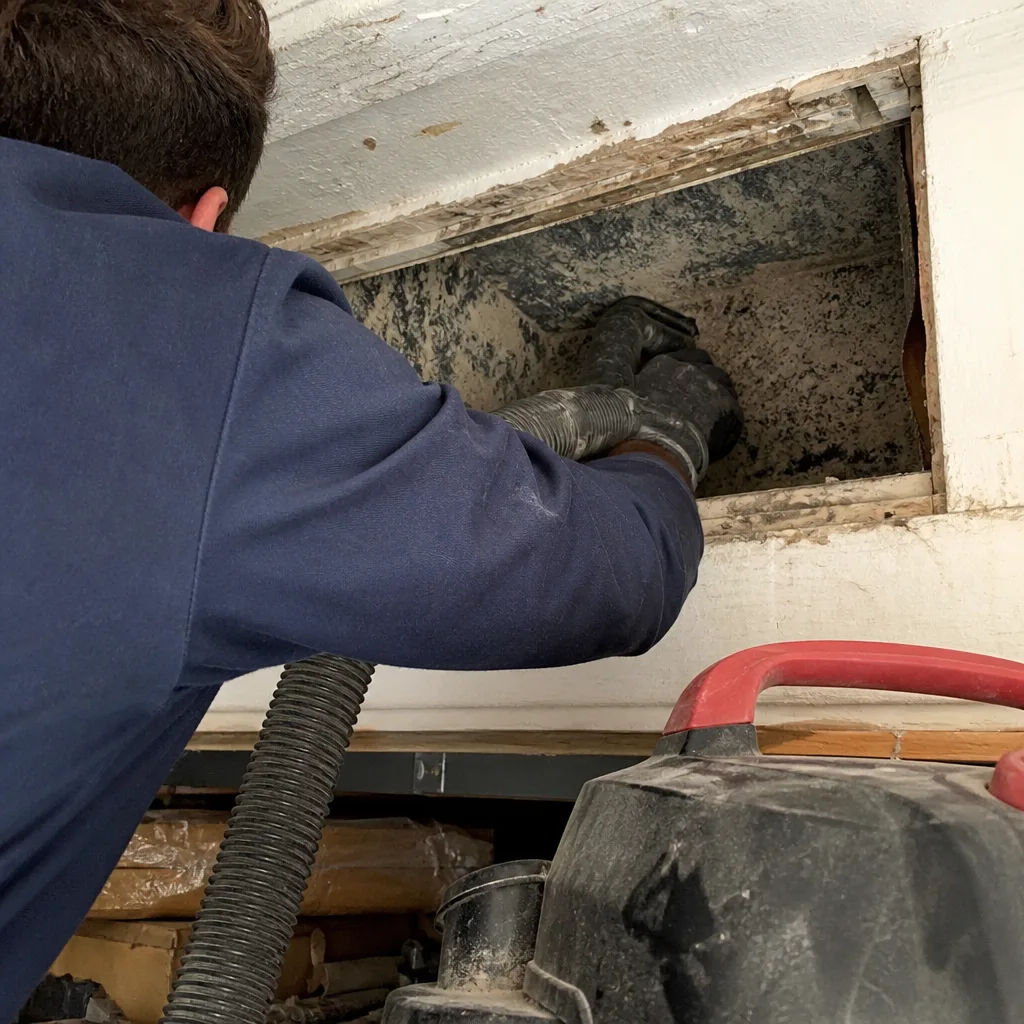 Before
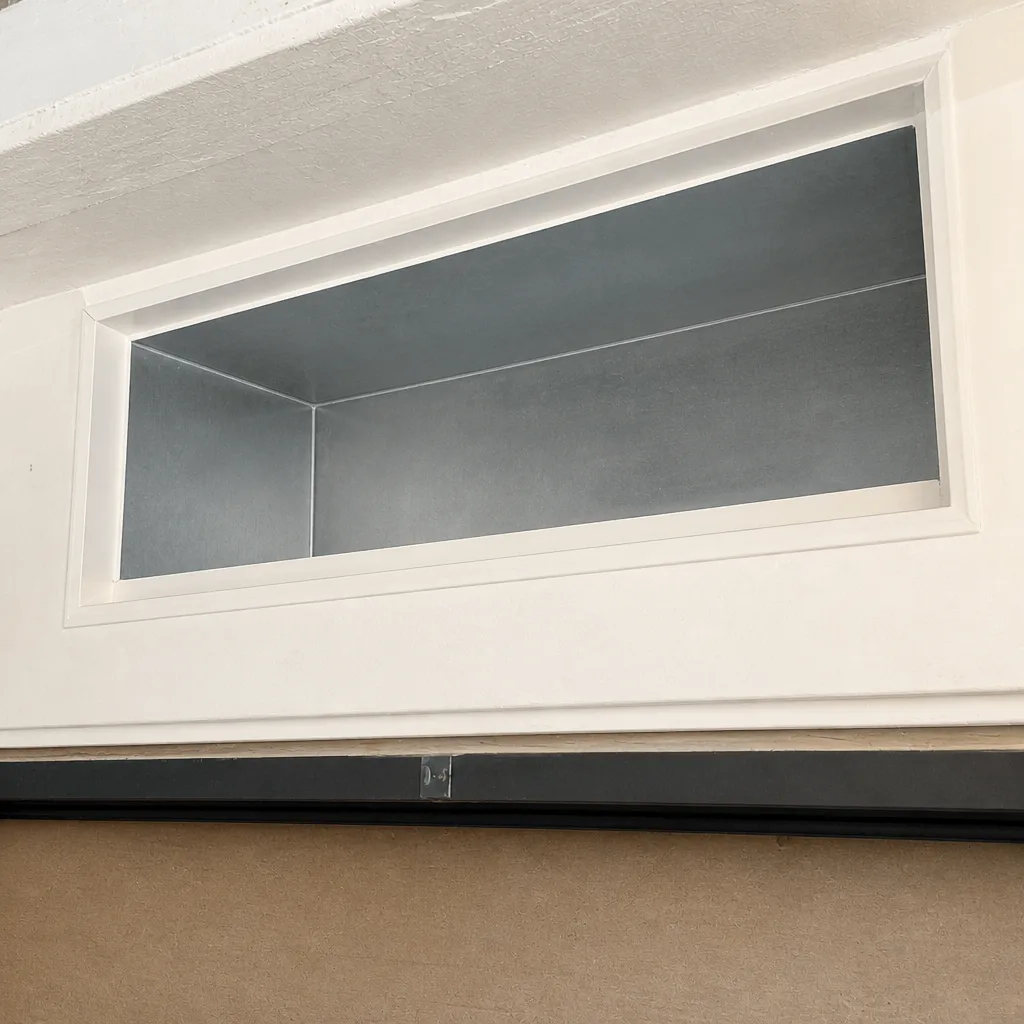 After
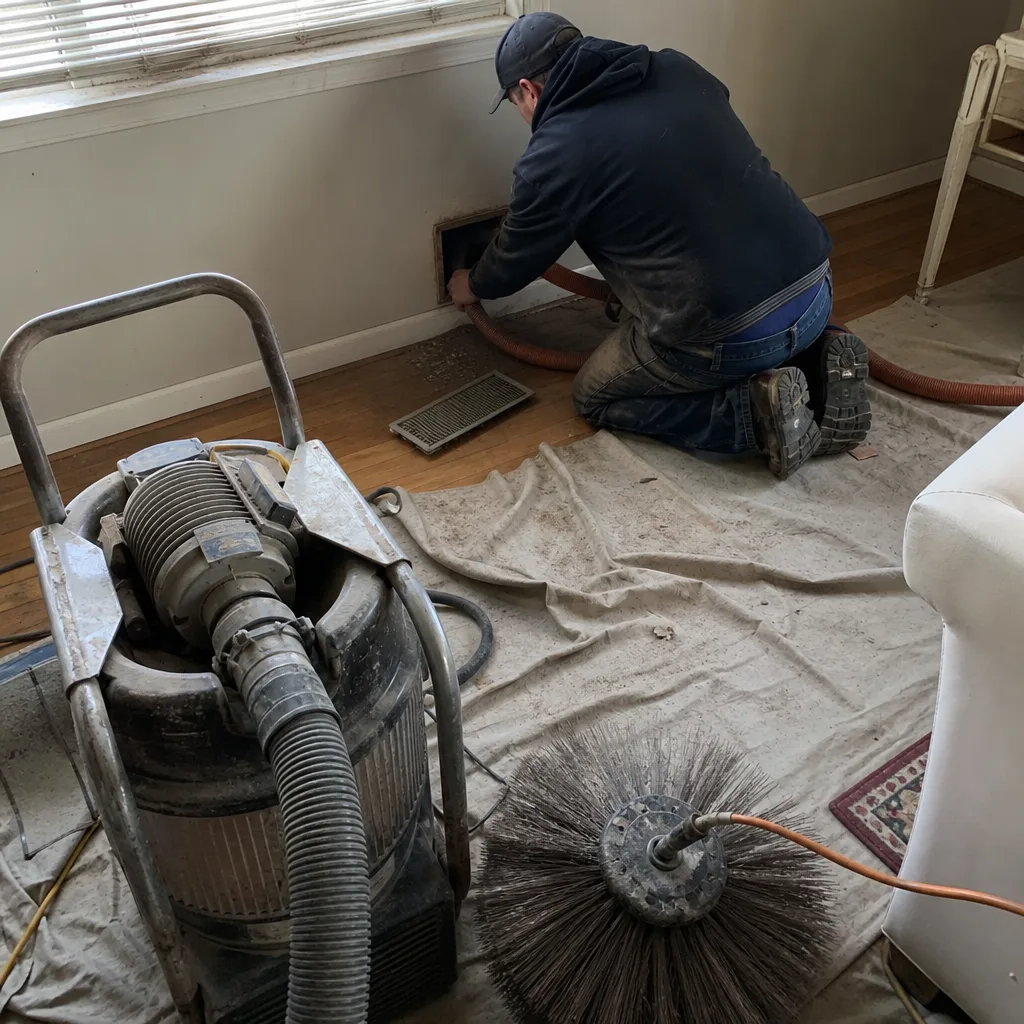 Before
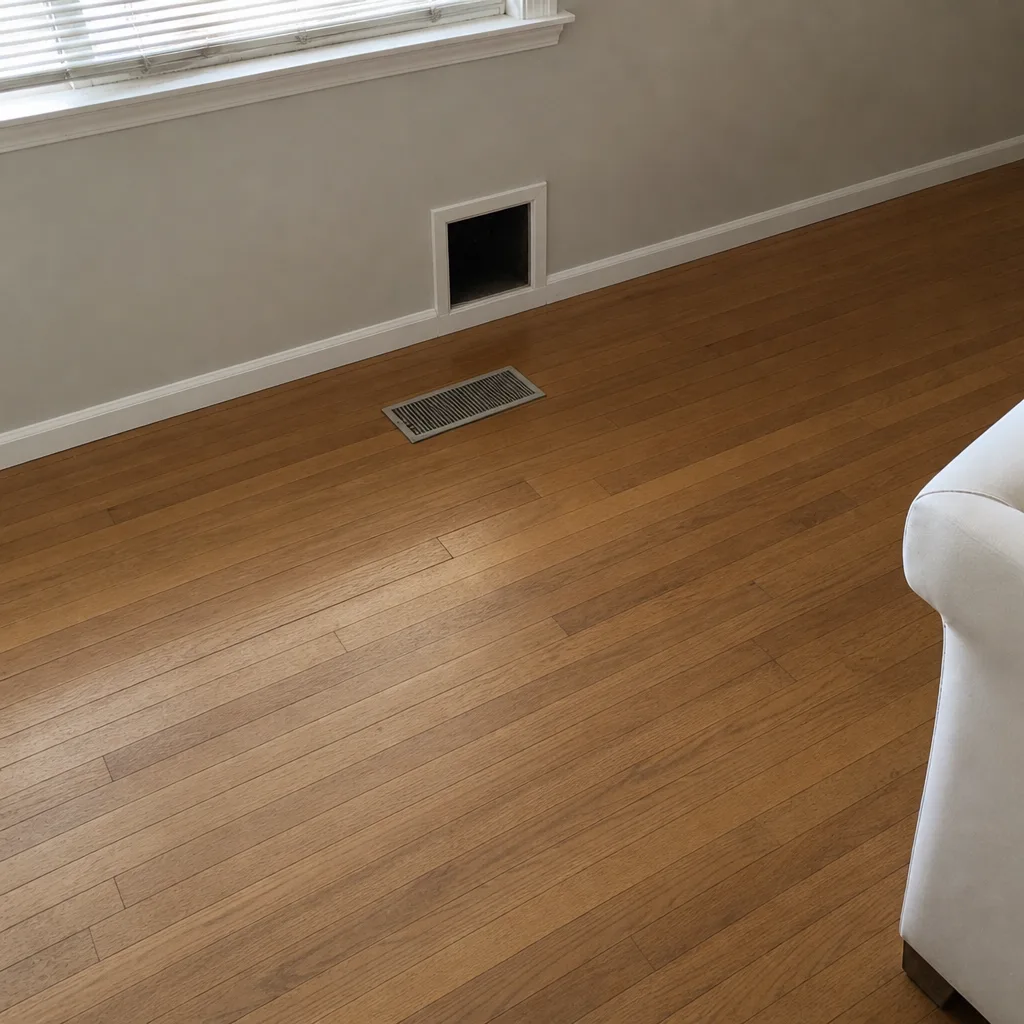 After
When to Call a Professional
Some conditions need a professional visit rather than a homeowner task. Call us when your system shows visible dust streaking from registers, a persistent musty smell, or weak airflow in one or more rooms. Call after a renovation, after a move into a home that sat vacant, or if it’s been three to five years since a cleaning and your home has pets, crawl-space ductwork, or continuous fan operation. Call if you’ve found rodent or insect evidence near a register. Call before a scheduled HVAC service if the cabinet and coil are visibly dusty. And call if you’re not sure whether your system needs cleaning or sealing, because inspection answers that question. Magnolia Air Duct Cleaning offers free estimates in Magnolia. Call (877) 309-8232 to schedule. We answer 24/7. Fast dispatch from 7am to 7pm, Sunday through Friday.
If you’re starting at the top of the schedule, have a look at Magnolia Air Duct Cleaning for a quick overview of our full service range, and we can build your first maintenance calendar around your home’s conditions.
Frequently Asked Questions
Most Magnolia homes need professional duct cleaning every three to five years. That interval drops to two to three years for homes with multiple pets, crawl-space ductwork, a continuous fan setting, or a recent renovation. Homes that sat vacant before move-in should be cleaned before the first heating or cooling season. Call (877) 309-8232 for an exact recommendation based on your home – estimates are free.
No, a shop vac can’t reach the interior duct surfaces or move the air volume required to pull debris off duct walls. Homeowner maintenance is limited to filter changes, register vacuuming, and visual checks. Cleaning the plenum, the coil, and the branch runs requires professional-grade equipment and access.
Cleaning removes accumulated dust and debris from inside the ductwork, while sealing closes gaps, disconnected joints, and loose connections that let conditioned air escape and unfiltered air enter. Cleaning and sealing are separate line items with separate triggers, and an inspection determines whether sealing is needed. Magnolia Air Duct Cleaning offers both as part of one visit so you don’t have to schedule two appointments.
Not usually. Sanitizing is a targeted treatment for specific conditions like musty odor, prior water intrusion, pest activity, or contamination found during inspection. Homes with none of those issues typically don’t need sanitizing on a routine schedule. Ask for an inspection first and let it decide.
Watch for visible dust around registers, a musty smell when the system runs, weak airflow in one room, or evidence of pest activity. Any of those calls for an inspection now, not later. And keep a file of your last cleaning date and photos so you’re not guessing. Call (877) 309-8232 to schedule an inspection – estimates are free.
No, the dryer vent is a separate system with its own annual check. Lint accumulation in a dryer vent is one of the leading causes of residential fires, so it’s worth treating as its own calendar item rather than assuming it’s covered by an air duct cleaning. Magnolia Air Duct Cleaning offers dryer vent cleaning as a standalone service.
The Bottom Line
The industry standard of “every three to five years” is a starting point, not a plan. Your Magnolia home’s actual schedule depends on four variables: crawl-space ductwork, pet count, fan operation, and renovation or vacancy history. Build the calendar in three tiers. Handle filters, registers, and visual checks yourself every month. Schedule annual HVAC and dryer vent checkpoints. Watch for the signs that trigger a deep clean, and keep photos and notes so each visit builds on the last. Cleaning, sealing, and sanitizing are separate items, not one bill. Get an inspection and a written estimate, and let the state of your ducts set the schedule instead of a logline.
Contact Us
If this guide has made you realize your ducts are overdue, or you want a professional opinion on whether a cleaning, sealing, or sanitizing is right for your home, call Magnolia Air Duct Cleaning at (877) 309-8232 for a free estimate. We answer 24/7. Fast dispatch from 7am to 7pm, Sunday through Friday. One flat price per system, agreed before any work starts, with before-and-after photos of your own ducts so you can see exactly what was done. Our technicians have up to 10 years of experience, working with Rotobrush and Nikro equipment and certified on Honeywell and Aprilaire systems. Let’s build your maintenance calendar around your home’s actual conditions.
Written by the team at Magnolia Air Duct Cleaning.