
Last updated November 24, 2026
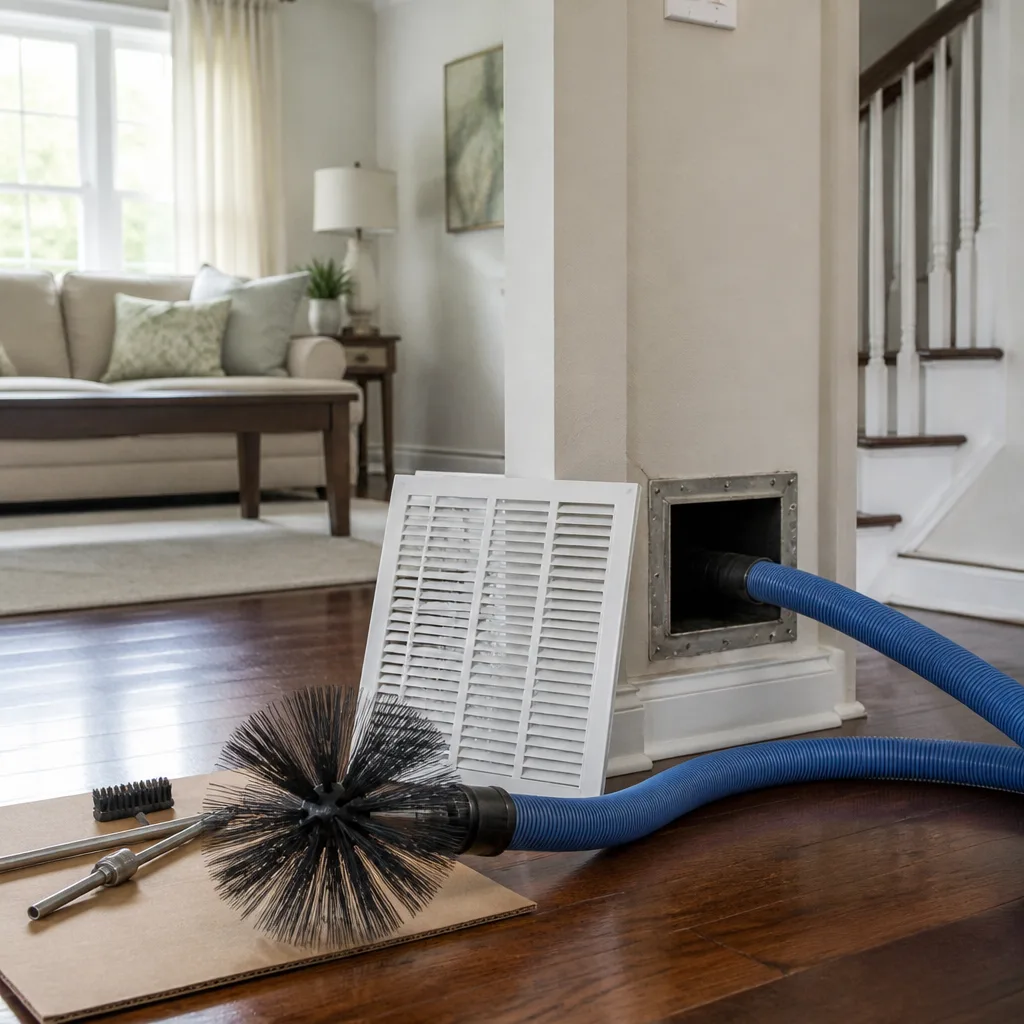 Whole-home duct cleaning
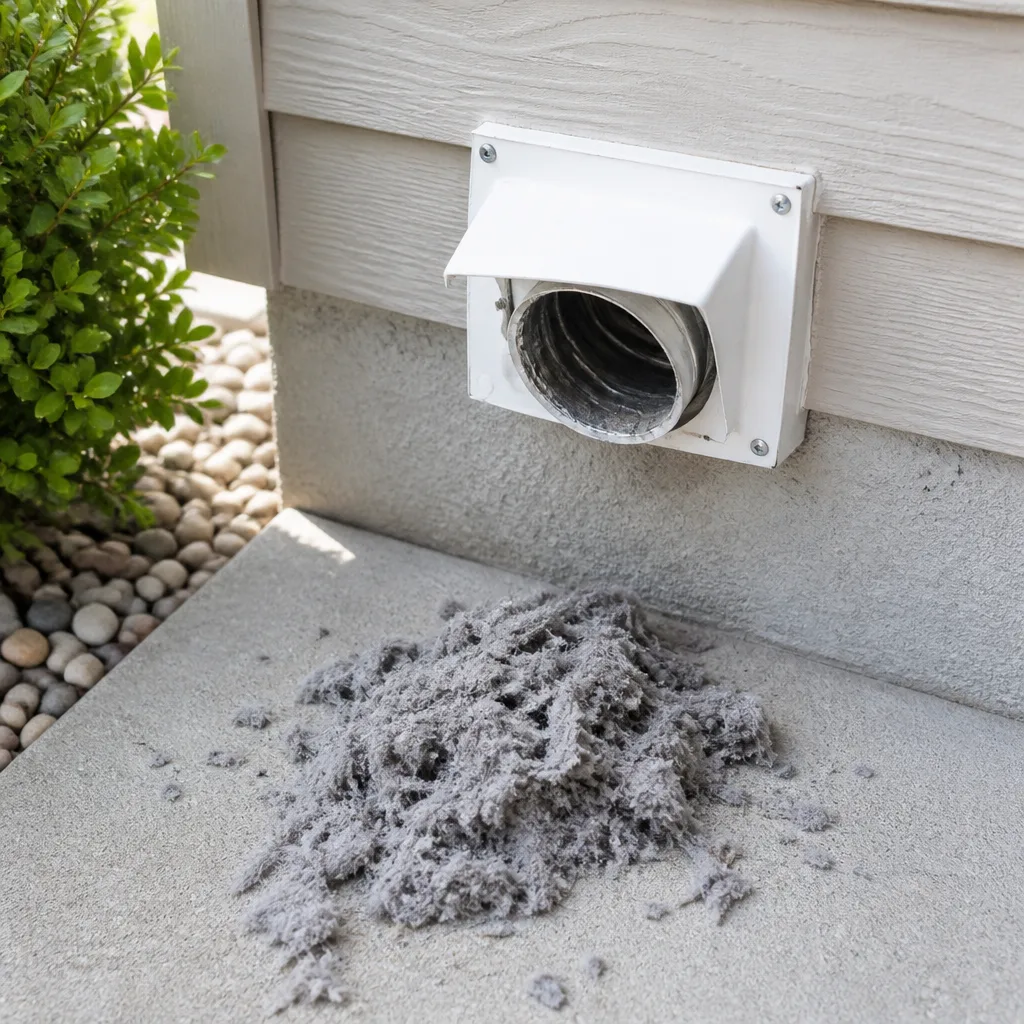 Dryer vent cleaning
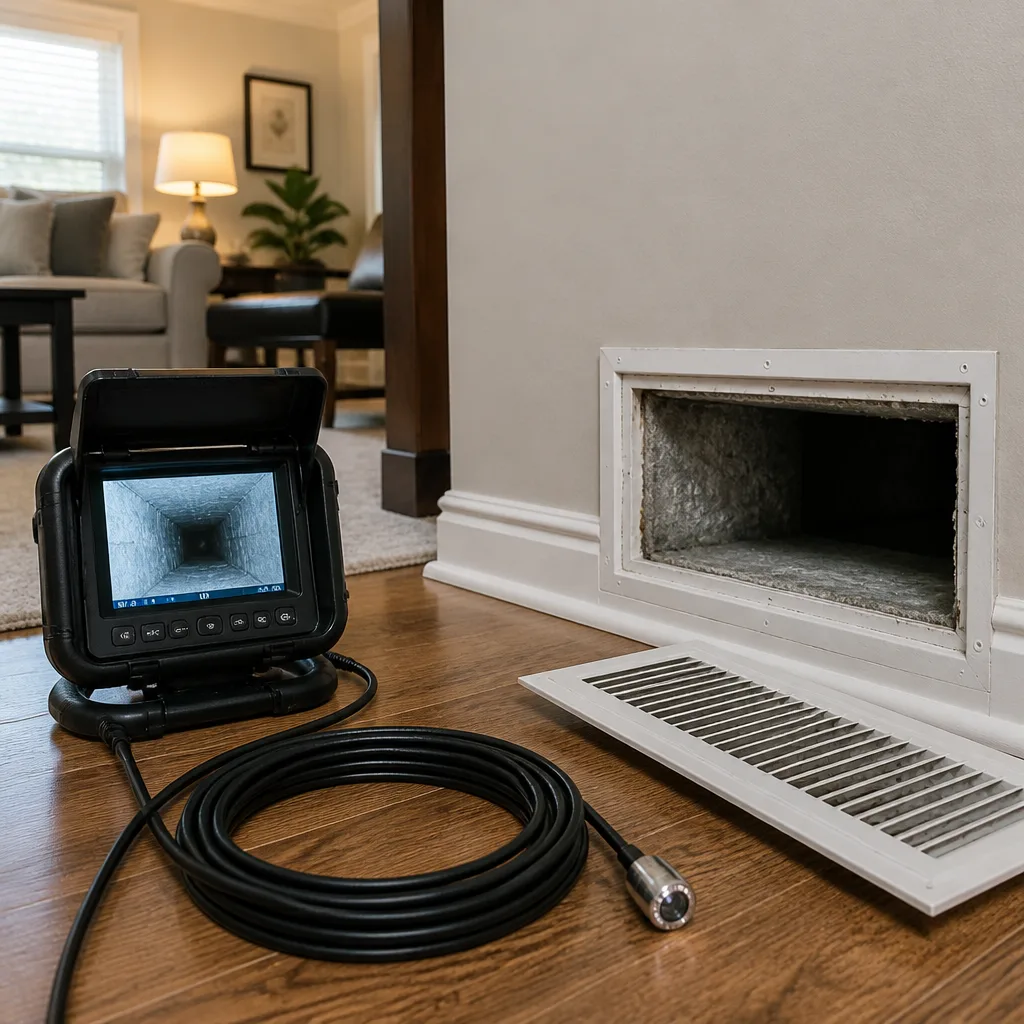 Camera inspection
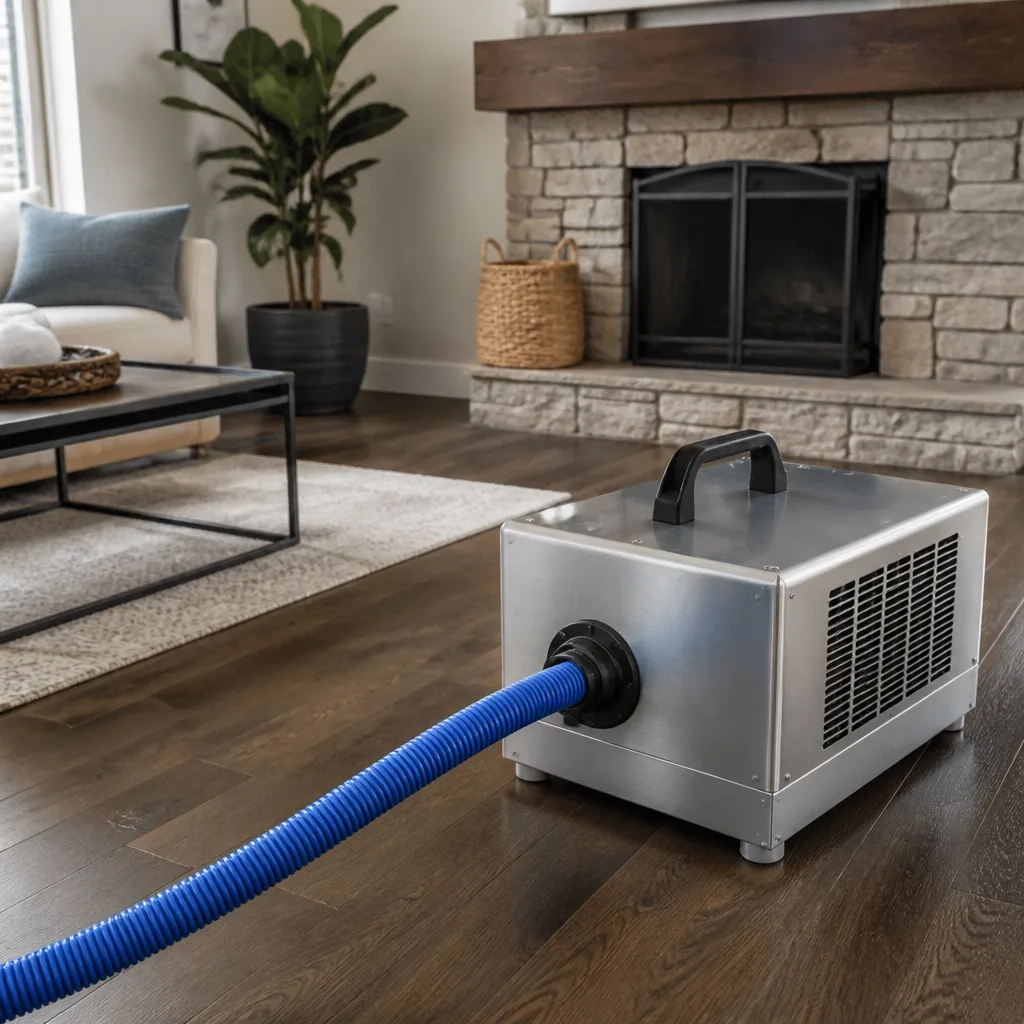 Sanitizing & deodorizing
Whole-system duct and dryer vent check with before-and-after photos - you see exactly what came out of your vents
That "$99 whole-house special" is a bait ad - the real number appears once they are in your hallway, or the "clean" is a shop-vac at the register. We photograph the inside of your ducts before and after instead.
Air Duct Cleaning Emergency Preparedness Guide for Magnolia Homes
After a house fire, even a small contained one, the instinct to switch on the HVAC system and clear the smoke smell is one of the most damaging things a homeowner can do. Your ducts are a distribution network. Any contamination sitting inside them gets pushed onto every surface in the house the moment the fan starts running. That’s the counterintuitive part most people get wrong. We’re Magnolia Air Duct Cleaning, and we’ve walked into plenty of homes where the HVAC was turned on before anyone thought about what was already in the ducts. This guide walks you through which emergencies actually reach your duct system, how to respond in the right order, what to document for insurance, and where restaurant-grade cleaning ends and true remediation begins.
Quick Answer
When an emergency affects your home, shut off the HVAC system first and keep it off until a professional inspects the ducts. Contamination from smoke, water, rodent activity, or renovation dust can spread through every room the moment the fan runs. Once the event is stabilized, get a professional inspection to determine whether you need cleaning, full remediation, or both, and document everything with photos and a written report before any work begins. Call Magnolia Air Duct Cleaning at (877) 309-8232 for a free estimate.
Styles & brands we work with
- Whole-home duct cleaning
- Dryer vent cleaning
- Camera inspection
- Sanitizing & deodorizing
Table of Contents
- Why HVAC Shutdown Is the First Step in Almost Every Duct Emergency
- The Magnolia Emergency Decision Tree: Matching Your Scenario to a Response
- Wildfire Smoke Infiltration: First-Response Steps
- Water Damage Near Ductwork: What to Check Before You Dry Anything
- Rodent Intrusion: Why Droppings Are a Duct Problem, Not Just a Pest Problem
- Post-Renovation Contamination: Drywall Dust and the Two-Week Trap
- How to Tell Whether Contamination Reached the Ducts or Stayed Surface-Level
- What to Document for Insurance After an Event That Hits Your Ducts
- Emergency Response vs. Restoration: Why Combining Them Fails
- Before You Restart the System: The Checklist
Why HVAC Shutdown Is the First Step in Almost Every Duct Emergency
The air handler in your home is a fan that pushes conditioned air through ducts into every room. Its job is even distribution. That’s exactly what makes it dangerous during a contamination event. If soot, smoke residue, waterborne mold spores, rodent droppings, or renovation dust get inside a return duct, the fan turns your supply system into a delivery mechanism. Every time the thermostat calls for heat or cool, that material moves further into the house.
Shutting the system off isn’t about protecting the equipment. It’s about stopping distribution before the contamination has a chance to settle into carpet, upholstery, wall cavities, and the inside surfaces of the ducts themselves. The longer the fan runs, the deeper the contamination goes.
Here’s what to do, in order, the moment an event affects your home:
- Turn the thermostat to OFF. Not to fan-only. Not to “circulate.” Fully off. If you have a smart thermostat, confirm the app shows the system as off, because some schedules override manual settings.
- Locate your air handler or furnace and flip its service switch. In most Washington homes that’s a light switch or breaker near the unit itself. This is a second layer of protection in case something resets the thermostat.
- Close the return air grilles with painter’s tape and plastic sheeting if you can do so safely. This won’t stop contamination that’s already inside, but it limits new material getting pulled in during cleanup and moving.
- Do not run ceiling fans or portable fans until you’ve assessed what’s airborne. Same principle, smaller scale.
- Call for professional inspection before restarting anything. Call Magnolia Air Duct Cleaning at (877) 309-8232 for a free estimate.
Before any of that, if there’s fire, gas smell, or standing water near electrical components, get out and call 911 or your utility. Duct advice comes after life safety, always.
The Magnolia Emergency Decision Tree: Matching Your Scenario to a Response
Not every event that affects your home reaches the duct system, and the ones that do don’t all need the same response. This decision tree is what we walk through with homeowners before we ever quote a job.
- Wildfire smoke infiltration: Smoky smell inside that lingers for days, visible haze near returns, or a visible ash layer on horizontal surfaces inside the home. Response: shut off HVAC, close windows, run a HEPA air purifier if you have one, schedule a duct inspection. Often resolvable with air duct cleaning plus sanitizing if the residue has entered the system.
- Water damage near ductwork: Any leak, burst pipe, appliance failure, or roof leak that soaked insulation, drywall, or flooring within a few feet of a duct run. Response: shut off HVAC, dry the home with professional equipment, then have ducts inspected and possibly sanitized to address mold risk.
- Rodent intrusion: Scratches or droppings in the attic, chewed insulation near flex duct, or a musty ammonia smell from a vent. Response: shut off HVAC, exclude the rodents, remove droppings and contaminated insulation, then schedule duct cleaning and sanitizing.
- Post-renovation contamination: Drywall dust, sawdust, fiberglass particles from a remodel that touched walls, ceilings, or flooring. Response: shut off HVAC during demolition, isolate the work area with plastic, and schedule duct cleaning once the dust has settled.
Two other scenarios are less common but worth flagging. An actual house fire reaches the ducts through smoke and through firefighting water, and it always needs professional remediation, never a homeowner attempt. A major storm event that lets outdoor debris enter through a disconnected or damaged duct also calls for inspection before the HVAC runs again.
If you can’t tell which scenario you’re in, treat it as the worst case. Shut everything down, document what you can, and have a professional inspect. The cost of a duct cleaning estimate in Magnolia is small compared to remediation from a system that was restarted too soon.
Wildfire Smoke Infiltration: First-Response Steps
Western Washington wildfire smoke seasons have become regular enough that most Magnolia homeowners know the smell. What many don’t know is that smoke carries fine particles that can settle inside duct surfaces, not just in the room air. Once the outside air clears, the indoor smell often lingers because the ducts are holding it.
First response, in order:
- Close every window and exterior door. Set the HVAC to fan-only on “on” mode only if you have a high-MERV filter (MERV 13 or better) already in place and the system was designed for it. Otherwise leave the system off entirely.
- Run a HEPA portable air purifier in the room you’re spending the most time in. This helps right away and is not a substitute for duct cleaning later.
- Do not vacuum with a standard vacuum during the smoke event. It stirs fine ash back into the air.
- Photograph the visible evidence: ash on windowsills, haze in the air, filter discoloration. These photos matter later for insurance and for a clear estimate.
- Schedule a duct inspection once the smoke has cleared. Magnolia Air Duct Cleaning uses Rotobrush and Nikro equipment that reaches every duct run, including the branches at the far end of the system where most of the settled residue hides.
If anyone in the home has asthma, allergies, or other breathing sensitivity, treat a smoke event as a reason to move the inspection up. Sanitizing with a product like Guardsman, applied correctly after cleaning, is often part of the follow-up. That’s a decision a technician makes on-site based on what the inspection shows.
Water Damage Near Ductwork: What to Check Before You Dry Anything
A burst pipe, an appliance failure, a slow roof leak that finally shows up on the ceiling, or a storm that pushes water under a door can all put moisture within reach of the duct system. The wrong first step here is drying the room without thinking about the ducts. If wet insulation or soaked drywall has already touched the outside of a duct run, the drying process can pull moisture-laden air into the return and deposit it deeper into the system.
Check for the following before you bring in a fan or a dehumidifier:
- Visible moisture on duct insulation, duct tape seams, or the flexible duct jacket. If any of these are wet, keep the HVAC off.
- Water staining on ceiling or wall cavities that a duct run passes through. Staining usually travels along the joist cavity before it appears on the surface, so the duct may be wet even if the drywall isn’t.
- Musty or earthy smell coming from a vent. That smell is often the first sign that moisture has reached duct lining or insulation.
- Condensation on exterior duct surfaces. In humid weather, condensation alone can wet a duct jacket if it wasn’t properly insulated.
The professional sequence here is often: dry the home first, then inspect the ducts, then decide whether cleaning alone is enough or whether sanitizing is also needed. Mold growth on duct interiors can happen within a few days, so don’t wait. That’s a reason to schedule an inspection early, not a reason to skip it. Our air duct cleaning work on water-damaged systems always starts with an inspection to determine how far moisture traveled.
One caution: never run the HVAC to “dry out” the home after water damage. It will distribute moisture-laden air to areas that weren’t wet yet.
Rodent Intrusion: Why Droppings Are a Duct Problem, Not Just a Pest Problem
Mice and rats get into ducts more often than homeowners realize, especially in older Seattle-area homes where flex duct connections are loose or where a return chase runs through an unfinished attic or crawlspace. The obvious signs are noises at night and droppings in the pantry. The less obvious sign, and the one that matters most for your air, is the smell that comes out of a vent when the system runs.
Rodent activity inside a duct system leaves behind more than droppings. It leaves urine residue that can carry pathogens, chewed insulation, and nesting material. None of that should be pushed through the supply side of a house.
First response:
- Shut off the HVAC system. This is the same rule as every other scenario. Stop the fan.
- Exclude the rodents first. A duct cleaning with a live rodent infestation just clears a path for re-entry. Call a licensed pest control operator and get the animals out before anyone enters the ducts.
- Remove contaminated insulation and nesting material. This is a technician job, not a homeowner job, and includes respiratory protection most homeowners don’t have.
- Schedule cleaning and sanitizing. Magnolia Air Duct Cleaning uses professional-grade equipment and an Abatement Technologies filtration setup on jobs where contamination is elevated. That’s the kind of scenario where standard equipment isn’t enough.
- Seal entry points after the ducts are clean. That’s the Duct Repair & Sealing step and it’s what keeps the problem from coming back.
We don’t recommend reopening the system until the ducts have been cleaned, sanitized, and any damaged flex or rigid duct has been repaired or replaced. The air duct cleaning step is only one part of that sequence.
Post-Renovation Contamination: Drywall Dust and the Two-Week Trap
A kitchen remodel, a bathroom gut, a flooring replacement, or an attic insulation project all produce dust and particles that can travel straight into the duct system if the HVAC is running during the work. Drywall dust is the most common culprit because it’s so fine. It settles in every horizontal run and coats the inside of the air handler, and it can be drawn back into the living space for weeks after the trades have left.
What most homeowners miss is timing. Cleaning ducts the day after the contractor leaves is often too soon, because dust is still settling and stray particles are still being kicked up by cleanup. Cleaning two weeks later is more effective, and the ducts are likely to stay clean.
Before cleaning, do these things:
- Replace the HVAC filter immediately after the job ends. A filter loaded with drywall dust chokes airflow and stresses the blower.
- Vacuum floors and wipe hard surfaces with a HEPA vacuum if you have one. Standard vacuums put the fine dust back in the air.
- Run the HVAC only after the cleaning crew confirms the ducts are clear. A fan pushing dust through the house for even a day can coat furniture and window treatments well beyond the remodel zone.
- If a whole-home humidifier or air cleaner was installed during the remodel (Aprilaire and Honeywell units are common), have it checked along with the ducts. Dust can clog those components too.
If the remodeling touched any duct runs, expect the inspection to find dust inside flex duct that shakes out only with professional agitation equipment. That’s a Rotobrush job, not a vacuum job.
How to Tell Whether Contamination Reached the Ducts or Stayed Surface-Level
This is the question that determines whether you need a routine air duct cleaning, full remediation, or both. Homeowners can often answer it themselves with a slow, careful walk-through.
Ask these questions:
- Is there visible evidence inside a supply or return grille? Shine a flashlight into the duct through a grille after removing the cover (do this only on a return; don’t open supply grilles, which disrupt the seal). Visible soot, dust, or debris on the inside surface of the duct liner means contamination has reached the system.
- Does the smell get stronger when the HVAC runs? That’s the clearest sign contamination is inside. If it’s steady whether the system is on or off, the source may be surface-level.
- Are there visible water stains or dust lines at ceiling or wall penetrations? Those track the path of air, water, or particles into the duct cavity.
- Is dust settling in rooms far from the event? If a smoke event in the kitchen is depositing dust in an upstairs bedroom, the ducts are carrying it.
- Does the HVAC filter show heavy discoloration within days of replacement? That means particles are still moving through the system faster than the filter can catch them.
When the answer to any of these is yes, the ducts need professional inspection before the HVAC is restarted. When the answers are all no, the cleaning you need is routine, and there’s no emergency. Knowing the difference is what keeps a $400 cleaning from becoming a $4,000 remediation.
What to Document for Insurance After an Event That Hits Your Ducts
Insurance carriers handle duct-related claims unevenly, and the difference between a smooth claim and a denied one is almost always documentation. Do this work immediately after the event, before any cleanup begins.
- Photograph every affected room from several angles, including any visible damage at ceiling or wall penetrations. Include a photo of a tape measure or a familiar object for scale.
- Photograph your HVAC filter, every visible grille, and the air handler area. Capture the filter’s color and condition in a fresh replacement vs. after the event.
- Keep the old filter, bagged, until the adjuster has seen it. It’s physical evidence of what your system pulled through.
- Ask the fire department, restoration company, or HVAC inspector for written readings. Air quality readings (particulate counts from a portable meter, if one is used) are far more persuasive than a description.
- Keep every receipt for purifiers, filters, temporary dehumidification, hotel stays, and any professional work done before the adjuster’s visit.
- Ask for a professional inspection report from your duct cleaning or remediation company, in writing, before cleaning begins. The report should describe what was seen, where contamination reached, and what’s needed. Our technicians prepare these reports as part of every post-event job.
If you’re not sure whether your event is claimable, ask the insurance company before spending anything. A single inspection report usually answers the question for both sides.
Emergency Response vs. Restoration: Why Combining Them Fails
Emergency response is containment. Restoration is removal and repair. Trying to do both at once, or assuming cleaning right away counts as response, is where most post-disaster mistakes happen.
Emergency response means:
- Shutting off the HVAC.
- Documenting what you can see.
- Keeping the source from getting worse (close windows, exclude rodents, stop the leak).
- Scheduling a professional inspection.
Restoration means:
- Cleaning with professional-grade equipment.
- Sanitizing with a product appropriate to the contamination type.
- Repairing or replacing damaged duct sections.
- Sealing the system so it doesn’t lose air or let new contamination back in.
- Restarting and confirming the system is clean.
Combining the two fails because cleaning a duct that’s still wet introduces moisture deeper into the system. Cleaning during an active rodent infestation just cleans a path for re-entry. Cleaning during a fire claim before the adjuster has documented the loss weakens your claim. Get the containment and documentation right first. Then restore. Our lead technicians have up to 10 years of experience walking through exactly this sequence, and it saves homeowners from doing the same job twice.
Before You Restart the System: The Checklist
You’ve stabilized the event. The ducts have been cleaned. Before the thermostat goes back to its normal schedule, work through this list.
- Replace the HVAC filter. Even if it’s only a few weeks old. Whatever made it through the duct work is sitting inside that filter now.
- Confirm every duct connection is sealed. Vents, grilles, and duct tape seams. If the cleaning crew found loose connections, they need to be repaired before airflow resumes.
- Verify the air handler itself is clean. The blower wheel and coil are downstream of the ducts. If those are dust-loaded, the system will blow particles back into the ducts on first run. That’s why Magnolia Air Duct Cleaning includes the air handler in its view of the system, and it’s why we offer HVAC cleaning alongside duct servicing.
- Open all supply and return grilles. Confirm no plastic or tape is left inside or covering a vent.
- Run the fan for 30 minutes and note any smell. A faint “new filter” smell is normal. Soot smell, musty smell, or chemical odor is not.
- Check the filter again after a week. If it’s already loading up, call us back for a follow-up inspection.
- Write down what was done and who did it. Future claims and future service visits both benefit from this record.
One more item that applies to any home that has just been through an emergency: check your dryer vent cleaning status while you’re thinking about fire safety. Dryer vents are one of the leading causes of residential fires in the country, and post-event momentum is a good time to address them.
Common Mistakes to Avoid
- Turning on the HVAC to clear the smoke smell. This is the worst single step after a fire. It pushes soot and residue into every room in the home.
- Vacuuming with a standard shop vac. Most shop vacs and household vacuums exhaust fine particles back into the air. After a smoke or drywall event, they make things worse. Wait for professional equipment.
- Calling a general handyman for a duct issue. Duct inspection and cleaning is specialized work. Rotobrush and Nikro equipment exists because general-purpose tools don’t reach inside a duct run properly.
- Skipping the inspection report for insurance. Cleaning without documentation costs you the ability to claim.
- Reopening the system to see “if it’s okay now.” A quick test run can undo a week of cleaning. Get the technician’s all-clear in writing.
- Cleaning ducts the day after a remodel. Dust is still settling for up to two weeks. Cleaning too soon wastes the cleaning.
- Assuming a small contained fire didn’t reach the ducts. Smoke travels through return air chases faster than most homeowners expect. Even a kitchen fire can put soot in an upstairs duct run.
See the difference
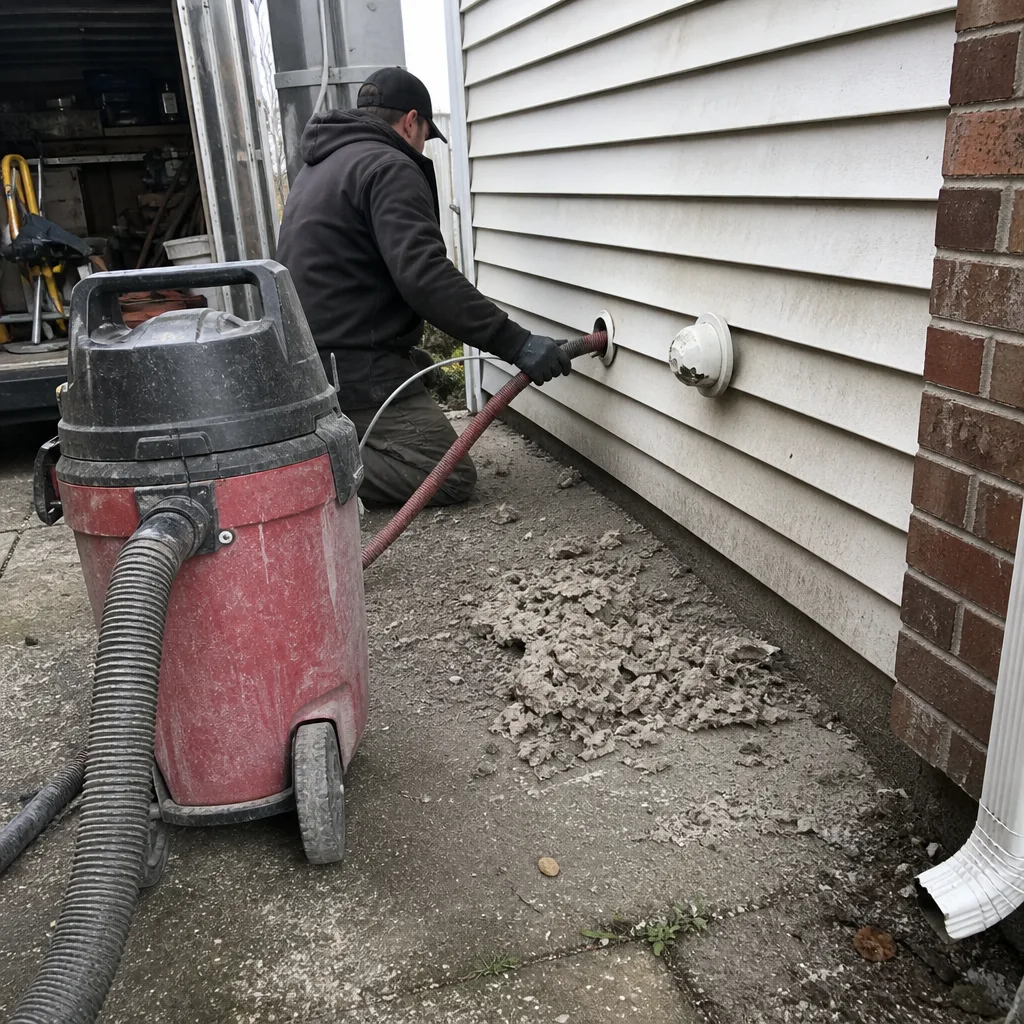 Before
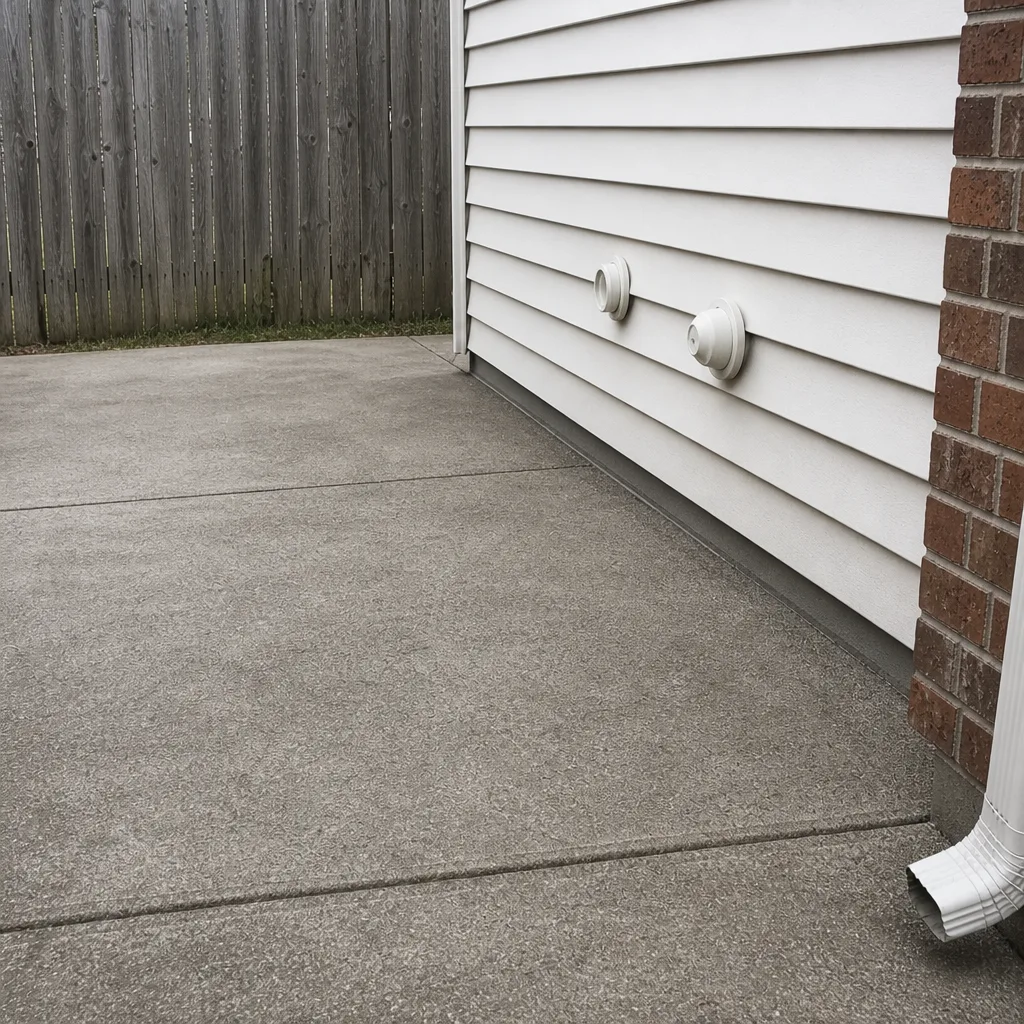 After
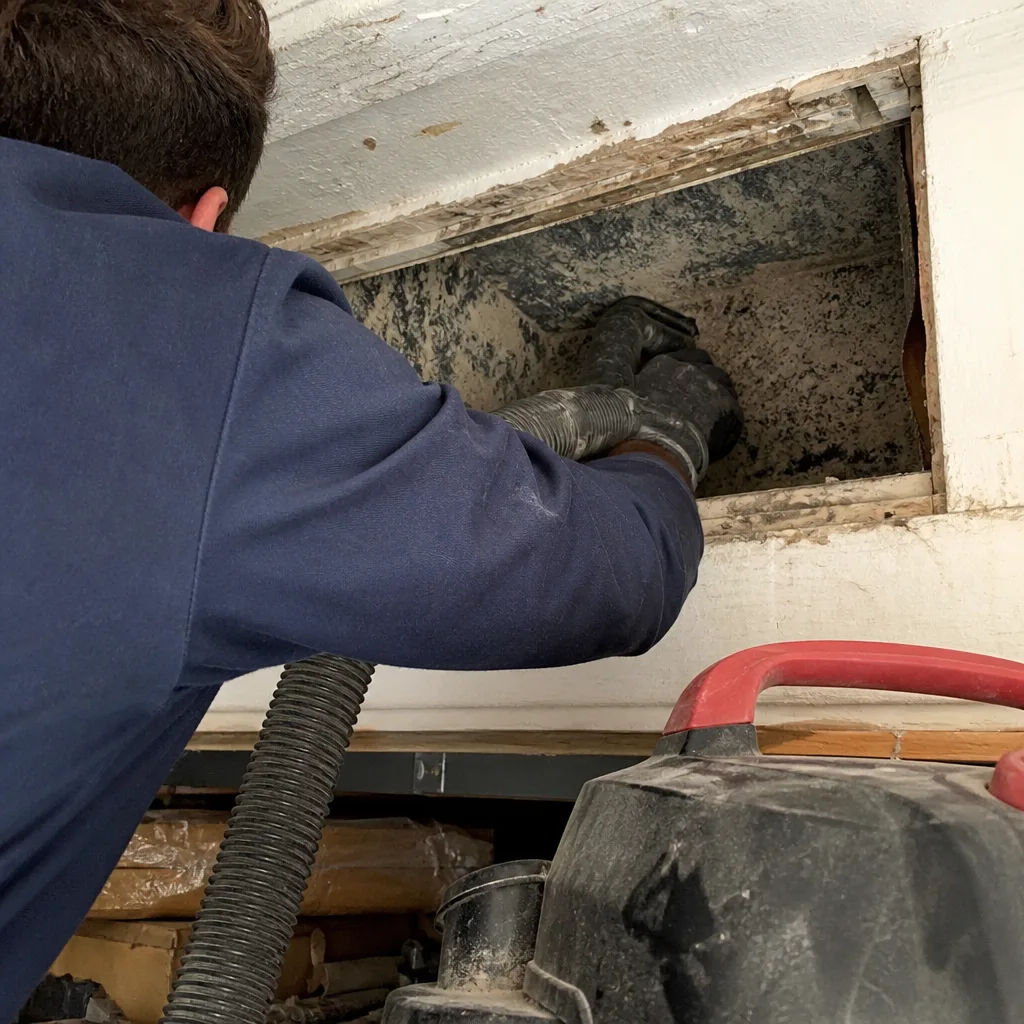 Before
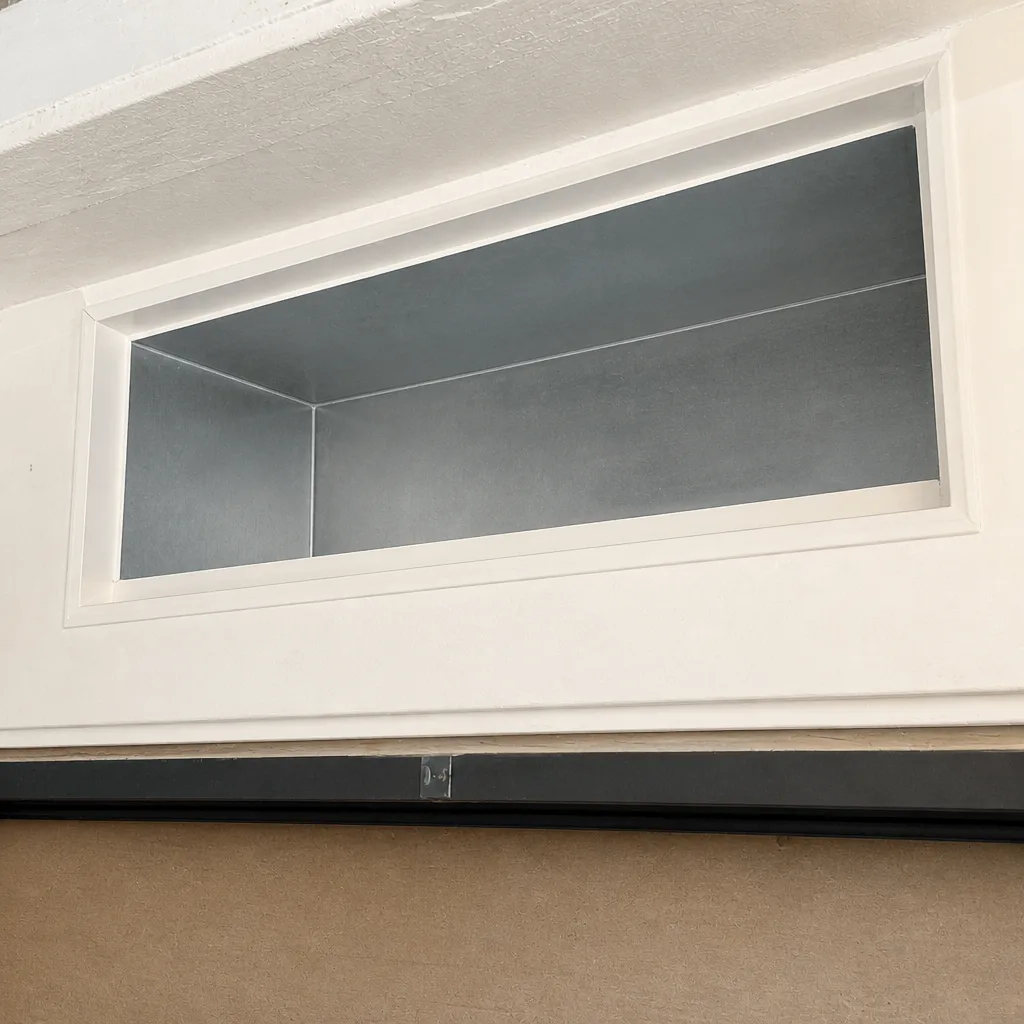 After
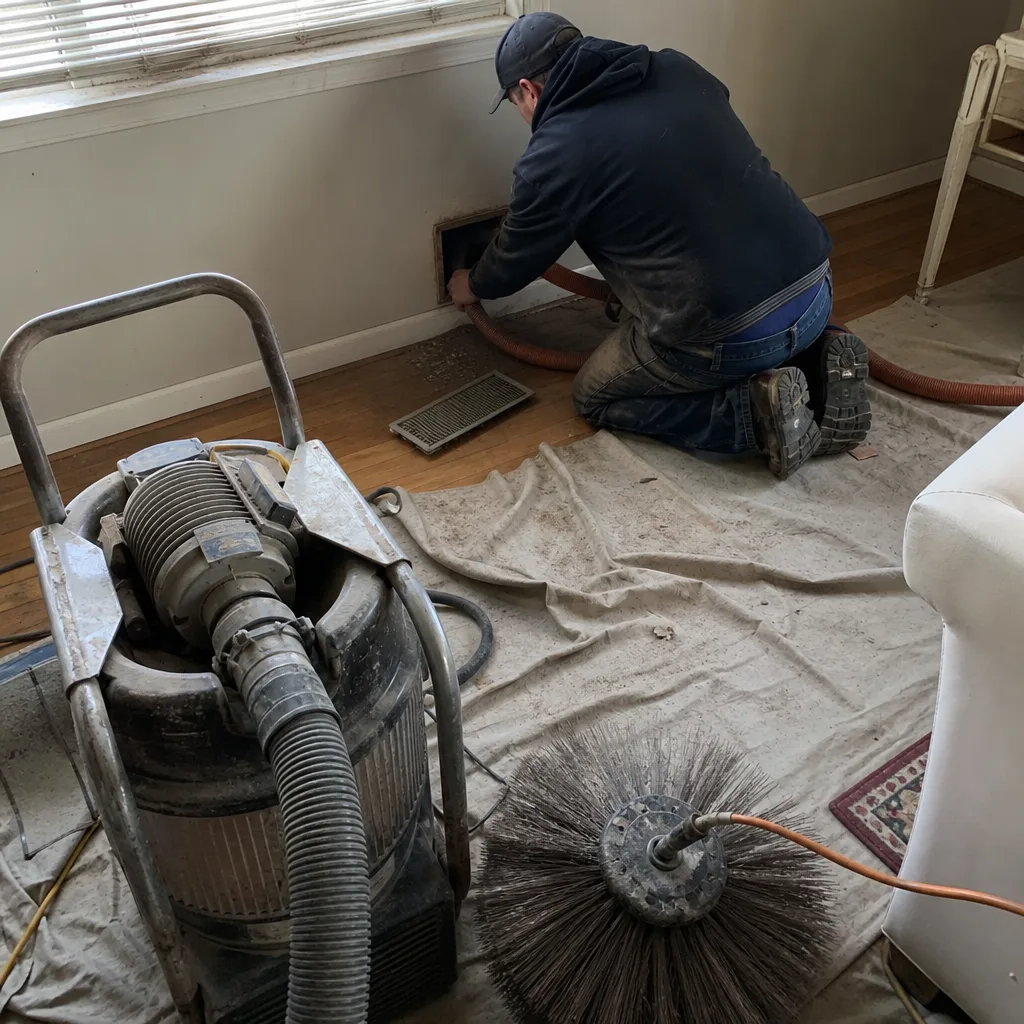 Before
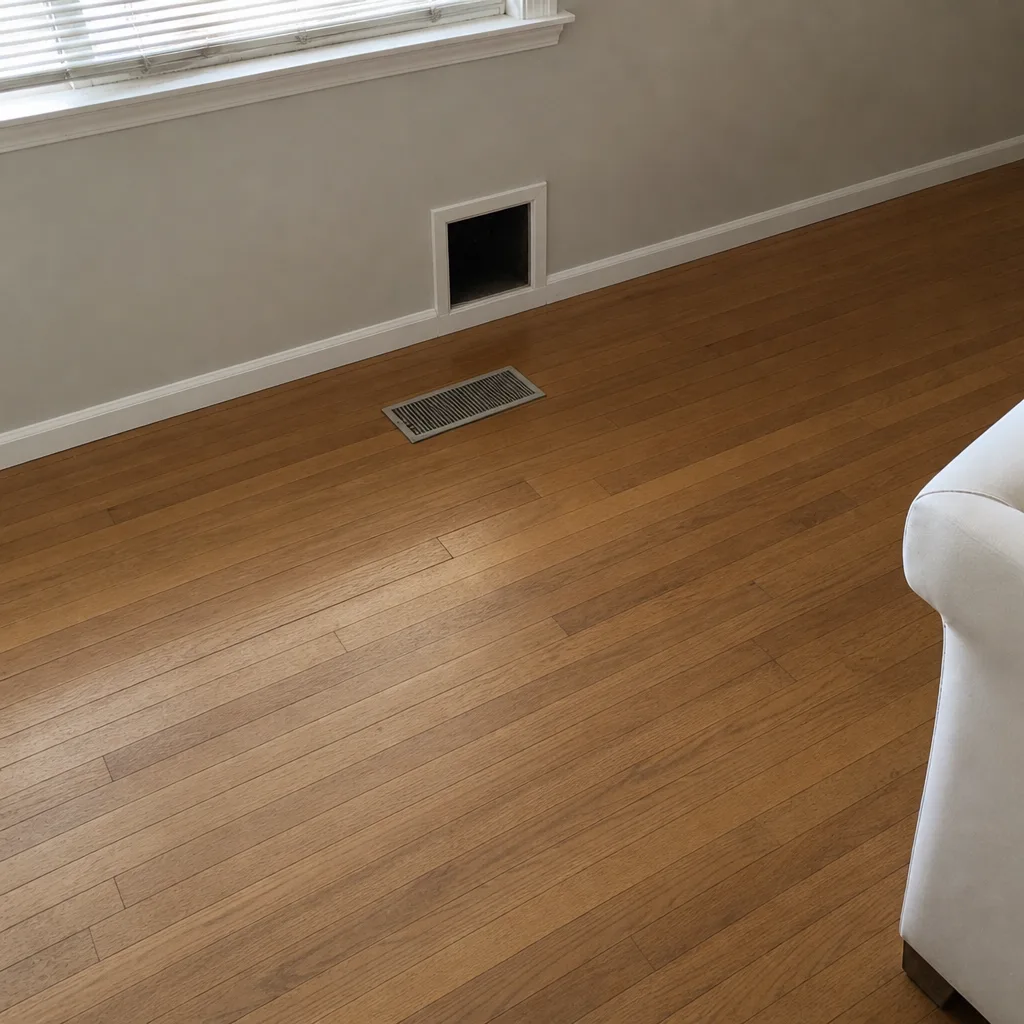 After
When to Call a Professional
Call a professional the moment any of the following apply: you’ve had any fire, even a contained one; water damage reached within a few feet of a duct run; you have active rodent activity inside the home; you’ve finished a renovation that touched walls, ceilings, or the attic; or the smell inside your home changes when the HVAC runs. Those are professional-grade scenarios. Magnolia Air Duct Cleaning uses Rotobrush and Nikro systems, and we carry Abatement Technologies filtration equipment for higher-contamination situations. We offer free estimates in Magnolia – call (877) 309-8232. We answer 24/7, with fast dispatch from 7am to 7pm, Sunday through Friday.
For a good look at what full-system work includes, our air duct cleaning service page covers the scope. And if you’re a property manager coordinating a multi-unit response, Magnolia Air Duct Cleaning handles the full indoor air picture (cleaning, dryer vent, HVAC, repair and sealing, and sanitizing) under one company.
Frequently Asked Questions
No. Keep the HVAC off until the ducts have been professionally inspected. Running the fan pushes soot and smoke residue from the ducts onto every surface in the home. Once the ducts are cleaned and the air handler is confirmed clean, you can restart with a fresh filter.
Shut off the HVAC and don’t run it to dry the house. Water-damaged ducts can grow mold within days, and running the fan spreads moisture-laden air further. Dry the home first, then schedule a duct inspection. Call us at (877) 309-8232 for a free estimate.
No, not effectively. Drywall dust settles deep inside horizontal duct runs that only professional agitation equipment reaches. A shop vac can’t generate enough reach or containment. A DIY attempt often leaves more dust in the air than it removes.
Typical air duct cleaning ranges from about $300 to $700 for a standard single-family home in the Magnolia area, and post-event jobs with sanitizing or repair can run higher. Because every emergency is different, we quote per job by written estimate, agreed before any work begins. Call (877) 309-8232 for a free estimate.
Cleaning removes surface-level debris and dust. Remediation is a larger process used when contamination has entered the duct system itself, such as after a fire, mold event, or rodent infestation, and it usually includes sanitizing, repair, and sealing. An inspection determines which one you need.
Usually yes, if the cleaning includes sanitizing and air handler work. Fires that involved heavy smoke production sometimes need a second pass, especially if the duct insulation is compromised. We confirm with a follow-up inspection rather than guess. Call (877) 309-8232 to schedule.
The Bottom Line
Emergency preparedness for your ducts comes down to three moves: shut off the HVAC, document everything, and get a professional inspection before you restart anything. Contamination reaches further than most homeowners realize, and the wrong first step moves it further still. Know your scenario, know what cleaning vs. remediation actually means, and know when to bring a professional in. Magnolia Air Duct Cleaning works the full duct system with Rotobrush, Nikro, and Abatement Technologies equipment, and our technicians have up to 10 years of experience with exactly these situations. Free estimates, documented reports, and one flat price per system agreed before any work begins.
If your home has just been through something, call (877) 309-8232. We answer 24/7. Fast dispatch from 7am to 7pm, Sunday through Friday.
Written by the team at Magnolia Air Duct Cleaning.