
Last updated November 24, 2026
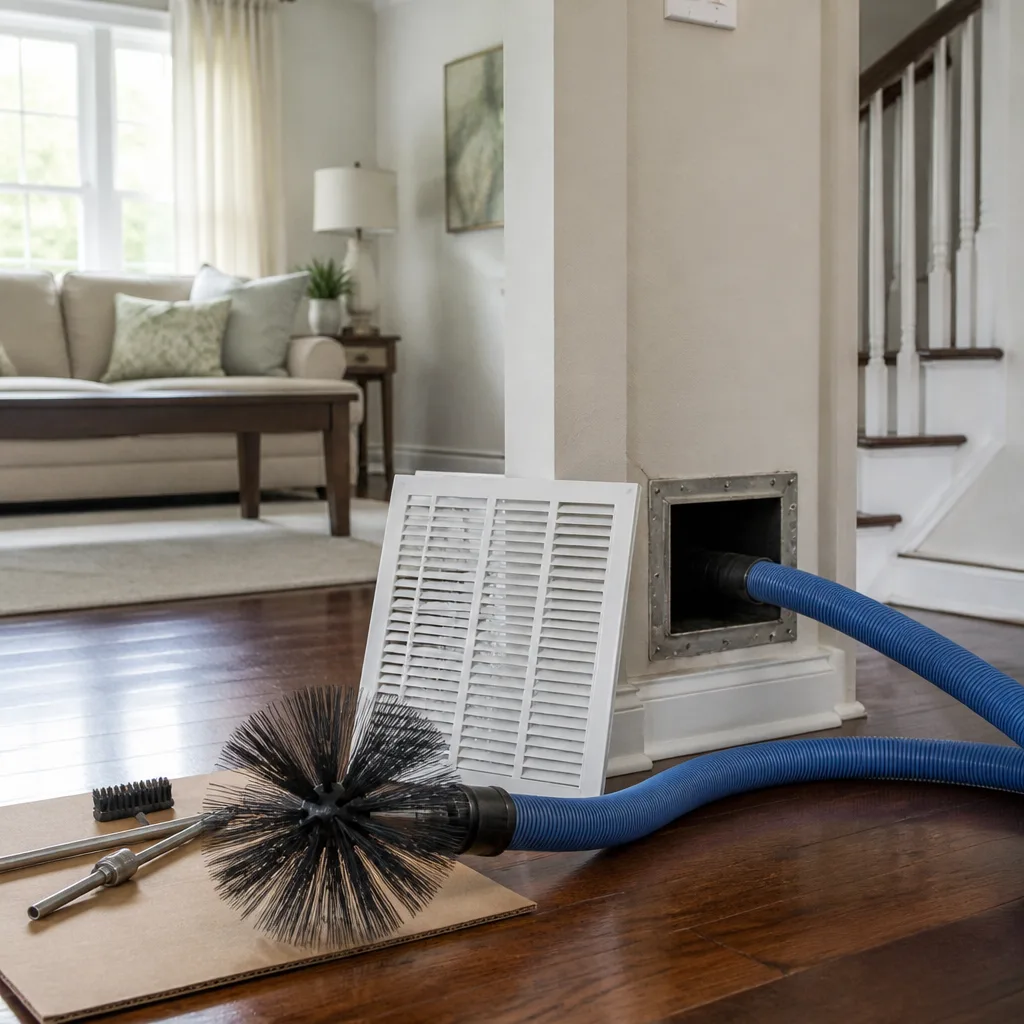 Whole-home duct cleaning
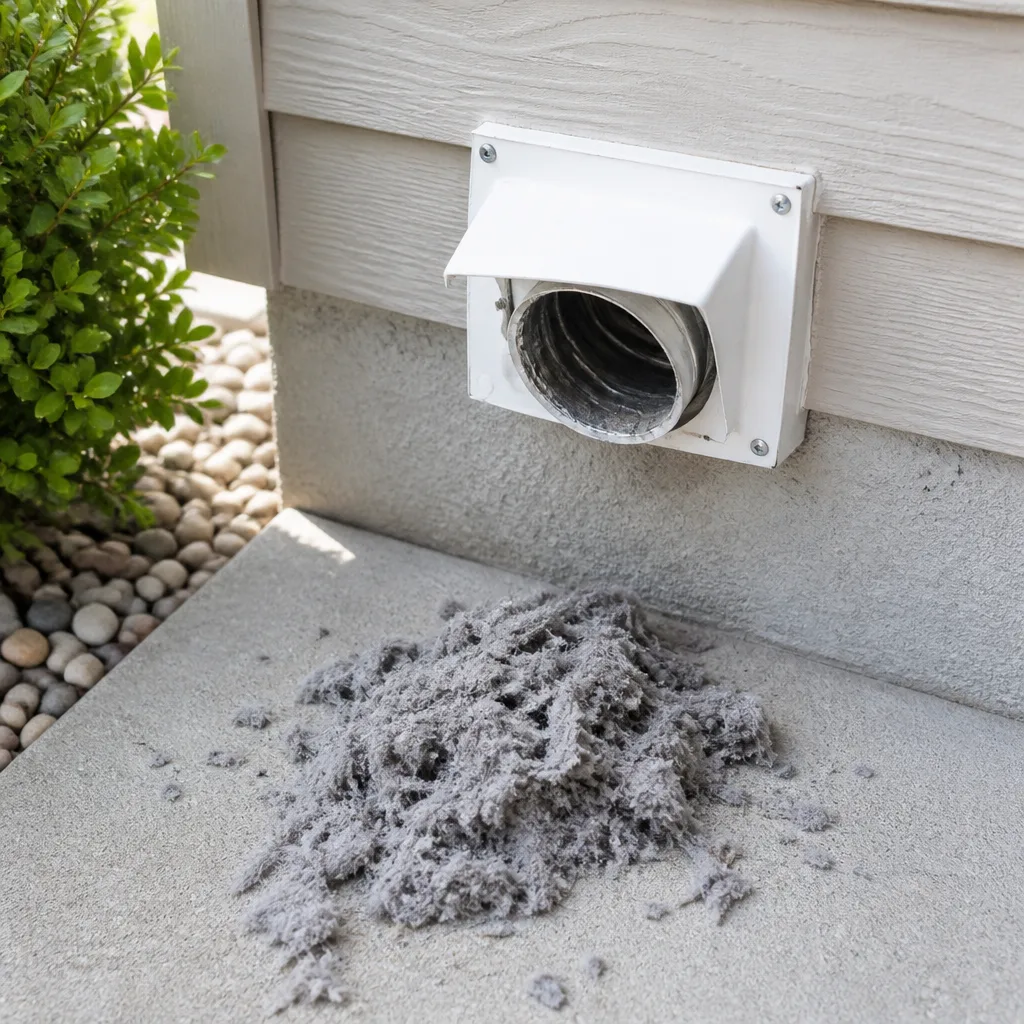 Dryer vent cleaning
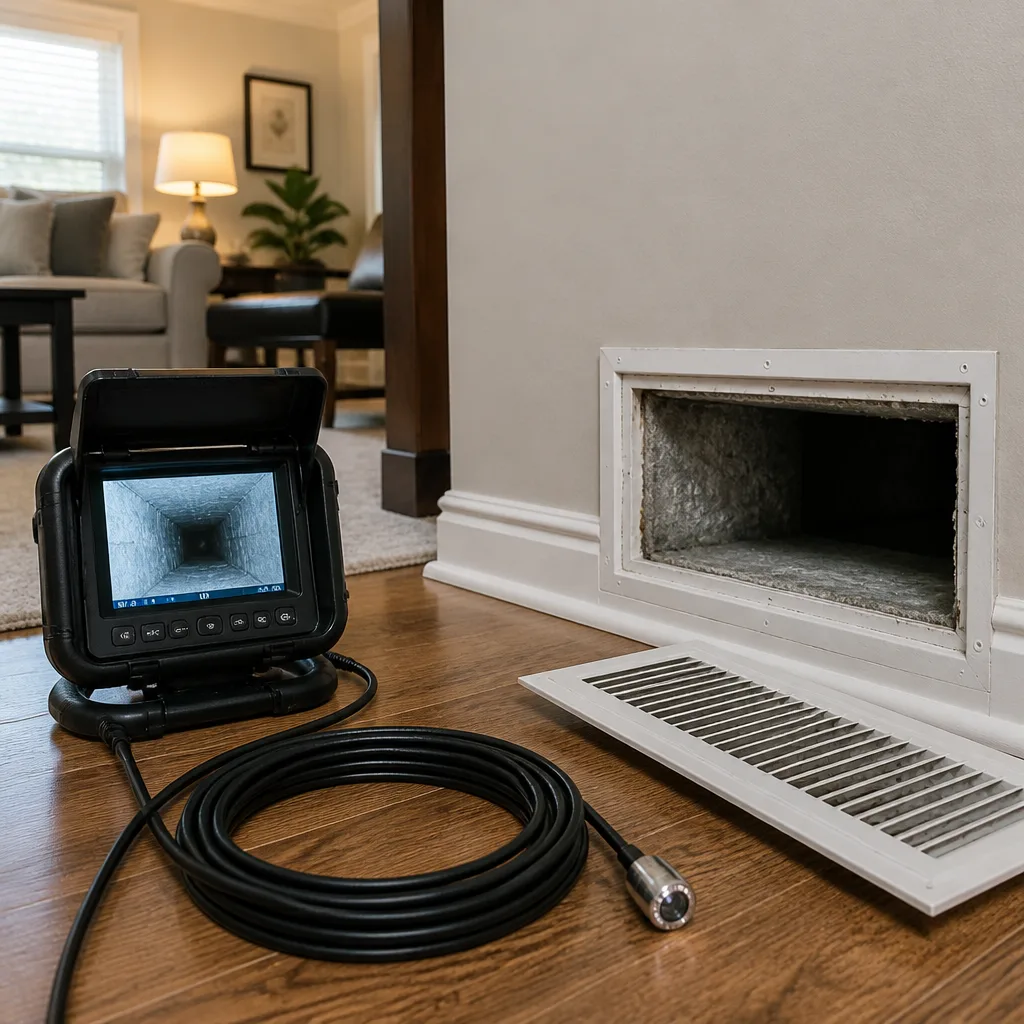 Camera inspection
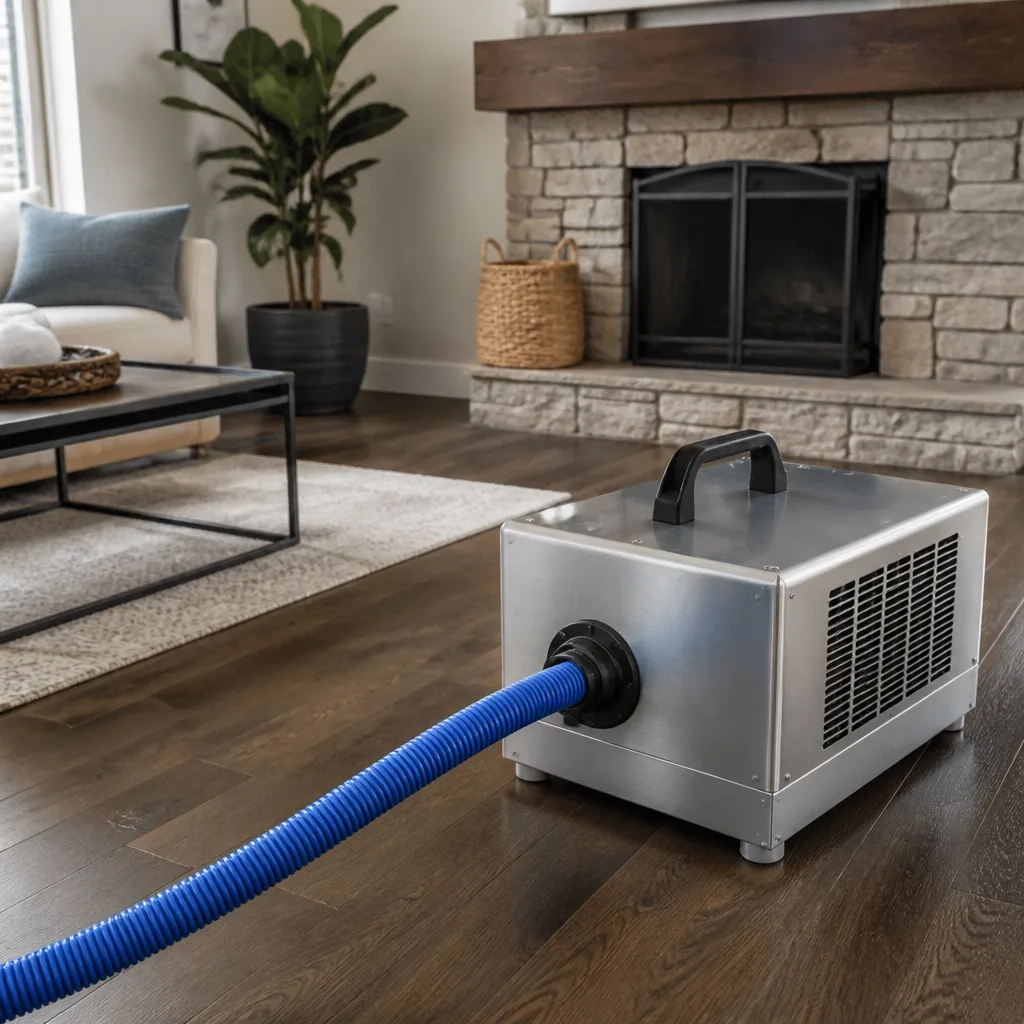 Sanitizing & deodorizing
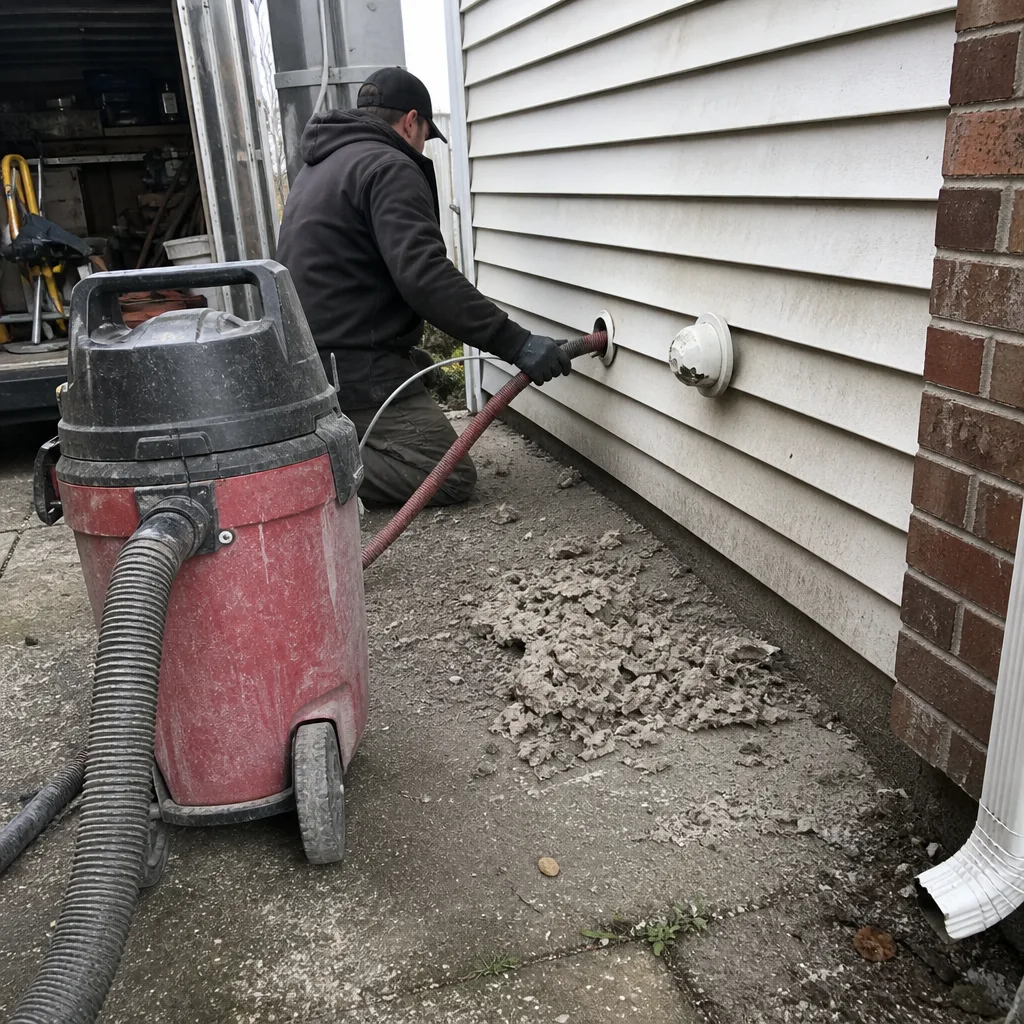
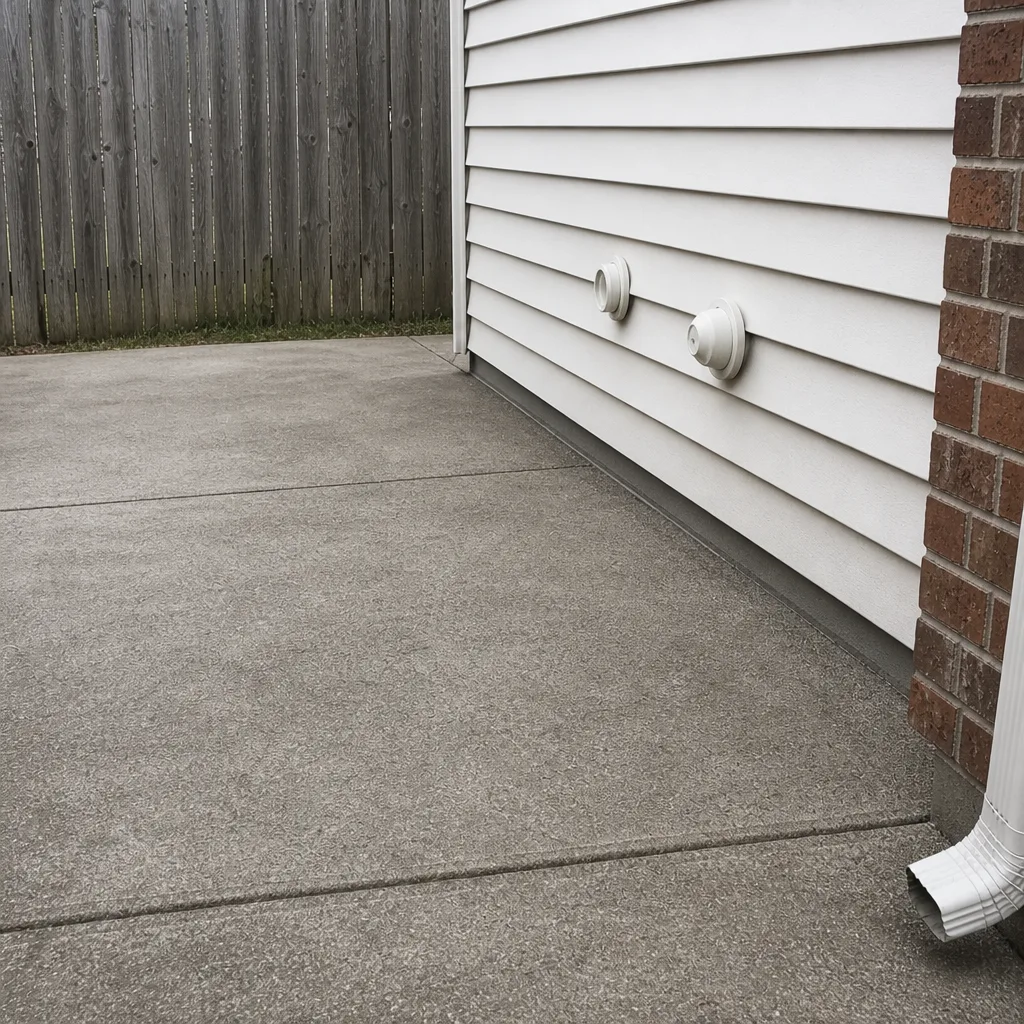
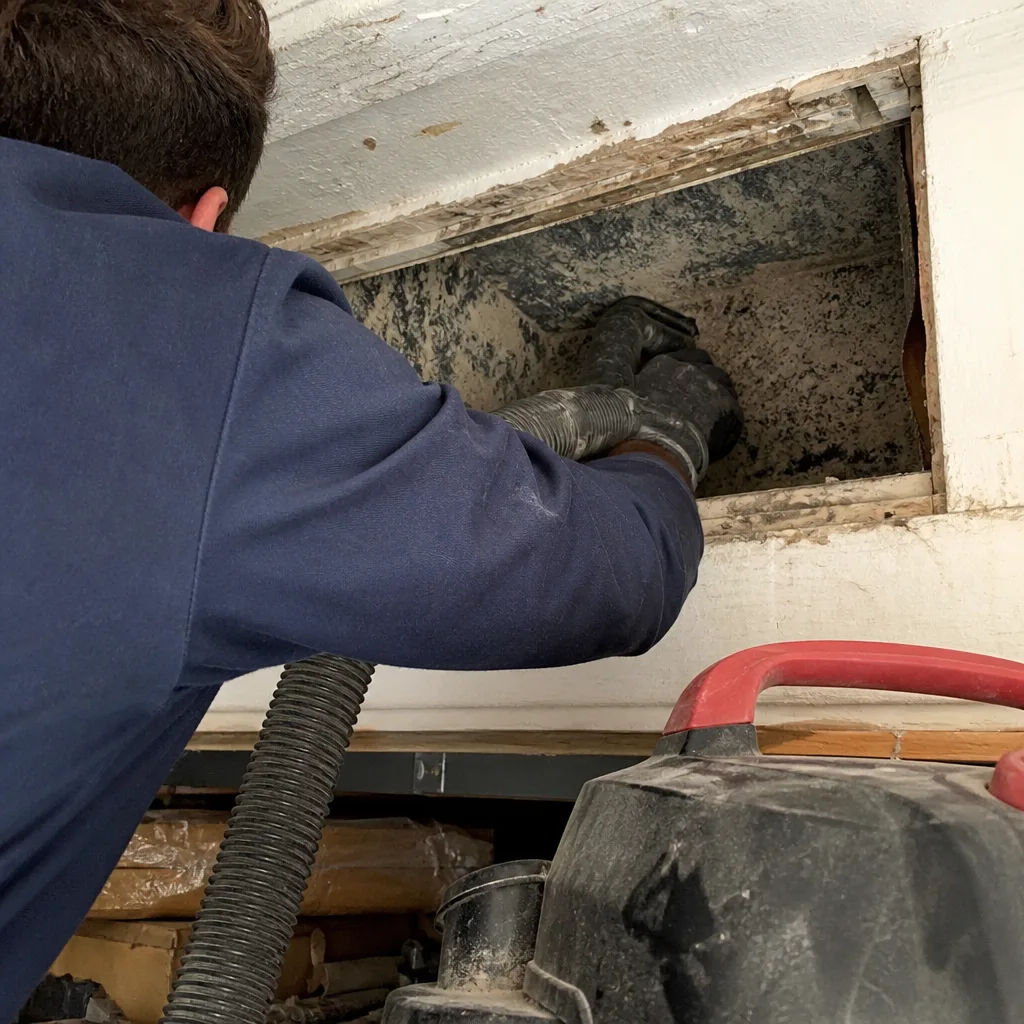
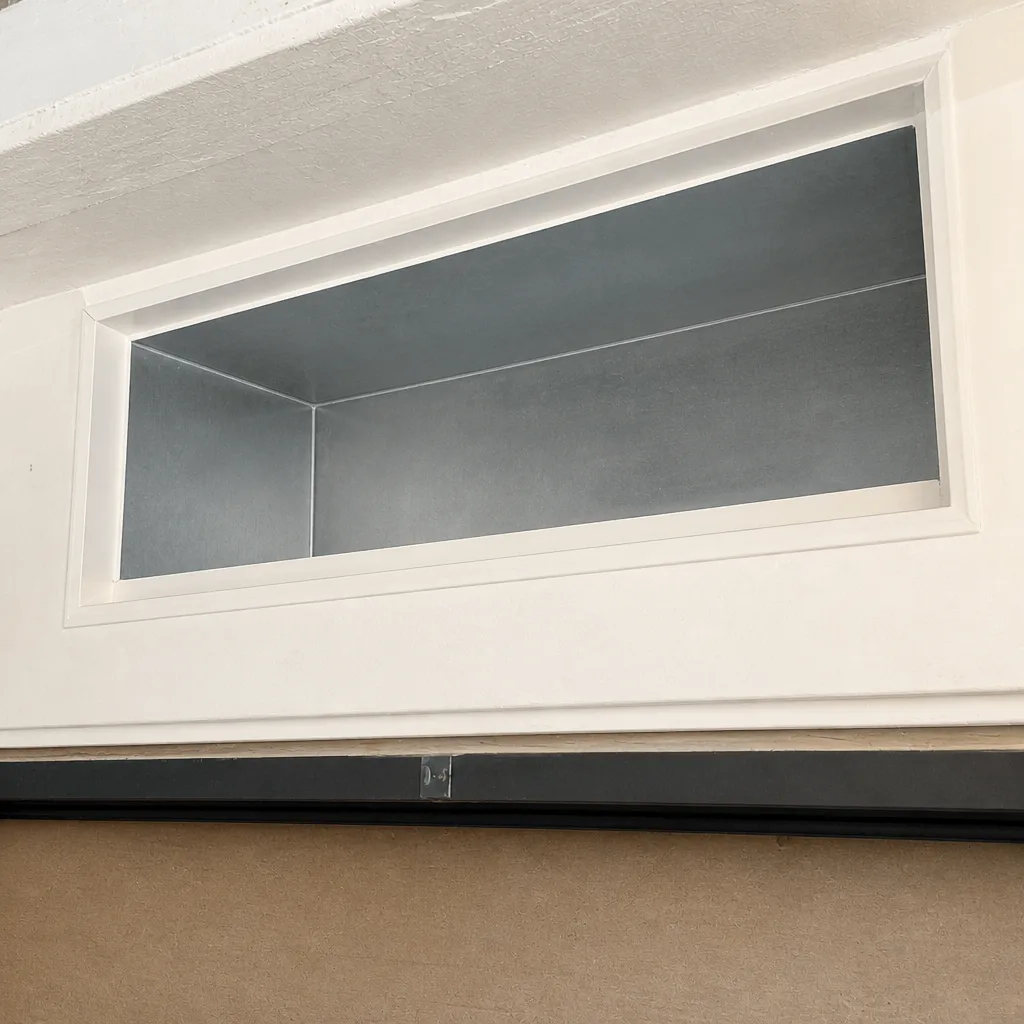
Whole-system duct and dryer vent check with before-and-after photos - you see exactly what came out of your vents
That "$99 whole-house special" is a bait ad - the real number appears once they are in your hallway, or the "clean" is a shop-vac at the register. We photograph the inside of your ducts before and after instead.
Seasonal Air Duct Cleaning Care for Magnolia: Year-Round Homeowner’s Guide
Most air duct advice you’ll find online tells you to schedule a cleaning before winter. That advice was written for places with a hard freeze and a long heating season. Magnolia doesn’t work that way. Here, the real pressure points land in late spring, when tree pollen saturates the air and coats every filter in the house, and again through fall, when Puget Sound humidity climbs and moisture starts working its way into crawl spaces and duct runs. The seasonal calendar that actually fits Magnolia is built around pollen, smoke, and moisture – not frost. This guide lays out what each part of the year deposits into your duct system, what you can check yourself, and when it makes sense to bring in professional cleaning.
Quick Answer
In Magnolia, the best time for professional air duct cleaning is late spring after the pollen peak has passed and again in early fall before the wet season drives humidity into crawl spaces and duct runs. Homeowners should change filters monthly through spring, monitor crawl space moisture from October onward, and schedule a full inspection after any significant late-summer wildfire smoke event. A yearly rhythm of self-checks plus one professional cleaning covers most homes in this climate.
Styles & brands we work with
- Whole-home duct cleaning
- Dryer vent cleaning
- Camera inspection
- Sanitizing & deodorizing
Table of Contents
- Why Magnolia’s Climate Changes the Standard Advice
- A Month-by-Month Calendar of What Lands in Your Ducts
- Why Late-Summer Smoke Events Matter More Here Than Anywhere Else
- Crawl Space Humidity and Duct Integrity in Older Magnolia Homes
- Seasonal Prep You Can Do Yourself
- When to Schedule Professional Cleaning in Magnolia
- What a Full-System Cleaning Actually Involves
- Duct Repair and Sealing: Fixing What Cleaning Reveals
Why Magnolia’s Climate Changes the Standard Advice
Magnolia sits in a climate corridor that doesn’t match the seasonal advice most homeowners read online. Wildfire smoke from Eastern Washington drifts across the Cascades during August and sometimes into September. Puget Sound humidity peaks in October and stays elevated through the winter. Alder and other early pollen producers saturate the air from February onward. Advice written for the Midwest assumes a dry winter and a hot, humid summer. Advice written for the Southeast assumes year-round moisture and heavy air conditioning loads. Neither matches what actually happens in Magnolia.
What that means for your duct system is a different loading pattern. Instead of one big accumulation season followed by a clean, Magnolia homes tend to see two distinct pressure periods each year, with a quieter stretch in between. Understanding those periods is the whole point of a Magnolia-specific care plan.
In our experience, the homes that stay cleanest are the ones whose owners track the calendar rather than waiting for a visible problem. Dust in the return grille is the last sign of a loading problem, not the first. By the time you see it, the ductwork has usually been carrying elevated particulate for weeks.
The other factor specific to Magnolia is housing stock. Many homes in this neighborhood were built in eras when flex duct was standard and crawl spaces were vented to the outside. Both of those choices interact with the local climate in ways that matter, and we’ll get into that below.
A Month-by-Month Calendar of What Lands in Your Ducts
Here’s what a typical Magnolia year looks like from the duct system’s point of view. Every home is different, but the broad pattern holds across most of the neighborhood.
January through February
Winter is the low-loading season for particulate, but it’s the highest-risk season for moisture. The heating system runs constantly, pulling air from crawl spaces and pushing it through the ducts. If your crawl space has any stored moisture, this is when it migrates.
March through May
This is the pollen window. Alder leads the season starting in February, followed by birch, cedar, and the spring tree mix. Pollen is fine enough to pass through standard filters and cling to duct walls. Filter loading accelerates sharply during these months, and homeowners who change filters on a quarterly schedule often find them fully loaded within weeks.
June through July
A quieter stretch. Particulate load drops as the pollen season ends, and the system mostly recirculates what’s already inside. This is a good window for professional cleaning if you want to clear the spring accumulation before smoke season.
August through September
Wildfire smoke season. When smoke drifts into Western Washington, particulate levels climb fast and the HVAC system pulls outside air into the return. Even with the system on recirculate, smoke finds its way in through gaps and open windows. This is the single biggest particulate event of the Magnolia year in most homes.
October through December
Humidity season. Puget Sound moisture returns, crawl spaces get damp, and the heating system starts moving that damp air through the ducts. This is when flex duct integrity issues show up and when biological growth risk climbs.
Why Late-Summer Smoke Events Matter More Here Than Anywhere Else
Late-summer smoke has become a regular feature of Western Washington summers, and it changes the cleaning calculus. When smoke particulate enters a duct system, it doesn’t just sit on top of the dust already there – it bonds to it. The combination of fine smoke particles and settled dust is stickier and harder to remove than either on its own. A system that looked fine in July can be carrying a real load of fine particulate by mid-September.
What we tell homeowners in Magnolia is this: treat a significant smoke event as a trigger, not a calendar date. If the air quality index in your area gets bad enough that you’re keeping windows closed for days, that’s the signal to check your filter and consider a professional inspection. The filter will be visibly darkened. The return grille will show fine grey residue. Those are the visible signs.
The invisible signs are what matter more. Smoke particulate is fine enough to settle into the deeper parts of the duct system where a homeowner can’t see it. A bead of grey dust on the register is the tip of the iceberg.
One thing worth knowing: a filter change alone doesn’t undo a smoke event. The filter captures what passes through it going forward, but it doesn’t remove what’s already settled in the ductwork. That’s the reason a post-smoke inspection is worth the call, and why we use Abatement Technologies filtration equipment for homes that have seen significant smoke loading – it’s built for fine particulate recovery, not just routine dust.
If you’ve been through a smoke event in Magnolia and want a professional assessment rather than a guess, that’s exactly the kind of inspection we do.
Crawl Space Humidity and Duct Integrity in Older Magnolia Homes
Magnolia has a lot of older housing stock, and older homes often have vented crawl spaces and flex duct runs. Both of those features interact with local humidity in ways that matter.
Flex duct is a plastic membrane over a wire coil. It’s cheap, quick to install, and effective when it’s intact. But the outer membrane is thin, and it doesn’t tolerate moisture well. When crawl space humidity climbs in October and stays high through the winter, that moisture attacks the outer membrane. Small tears and pinholes develop. Once a tear opens, the duct loses pressure and starts pulling crawl space air – which is damp, dusty, and sometimes worse – directly into the living space it’s supposed to be serving.
What to watch for as a homeowner:
- Rooms that feel draftier or dustier than they should in winter.
- Any musty smell in the house that gets stronger when the heat runs.
- Visible condensation on the outside of ducts in the crawl space.
- Standing water or persistent dampness on the crawl space vapor barrier.
- Duct runs that sag or pull away from their connections.
None of these require you to crawl under the house yourself. A moisture reading at the crawl space access point, taken a few times through the fall, tells you a lot. If it’s consistently high, that’s the point to bring in someone who can inspect the duct runs – and, if the inspection finds damage, do the sealing work in the same visit rather than scheduling it separately.
Our Magnolia Air Duct Cleaning technicians treat duct inspection as an extension of cleaning, not a separate job. If a flex run is compromised, we’d rather find it during the clean than after a full heating season of pulling crawl space air into the house.
Seasonal Prep You Can Do Yourself
There’s a lot of seasonal prep that doesn’t involve cleaning at all. These are the tasks worth doing before each pressure period, and they don’t require special equipment or training.
- Change the filter before each season. Monthly through the spring pollen window, and again in early October before the humidity returns. Filter performance drops long before a filter looks visibly clogged.
- Check the return grille monthly. A thin layer of dust is normal. A visible coating, grey residue after a smoke event, or visible darkening means the filter isn’t keeping up.
- Monitor crawl space moisture. An inexpensive hygrometer placed near the access point gives you a baseline. If the reading climbs in October and stays there, that’s your cue to schedule an inspection.
- Walk the visible duct runs once a season. In the basement or attic, look for sagging, disconnected sections, or condensation. You’re not going to fix these yourself, but knowing about them helps you describe the issue when you call.
- Keep the system on during smoke events. Recirculate rather than pulling in outside air. A closed house with a running filter is better than an open-window house during a smoke day.
- Check the dryer vent annually. A clogged dryer vent is a fire risk regardless of season. Remove lint from the vent run and confirm the outside flap opens freely.
These are observation and maintenance tasks, not cleaning. They’re the checks that help you catch a problem early, and they’re worth the twenty minutes they take.
When to Schedule Professional Cleaning in Magnolia
Optimal timing in Magnolia comes down to two windows: late spring, right after the pollen peak has passed, and early fall, before the wet season loads up the crawl space.
The late spring window (roughly late May through mid-June) is when the pollen season is wrapping up and the ducts are carrying the year’s heaviest particulate load. Cleaning in this window clears out the pollen and lets you get through summer without the system recirculating what accumulated through the spring.
The early fall window (roughly September through early October) catches the smoke-event accumulation before the humidity returns. If August and September saw smoke drift into your area, this is the more important of the two windows for a Magnolia home. Cleaning in this window also lets us inspect the duct runs before the wet months start stressing the flex duct.
If a home only gets one professional cleaning a year, we’d suggest the fall window. It clears out the biggest accumulation of the year and lets us catch any duct integrity issues before the moisture season really gets going.
What a full cleaning covers depends on the system. At minimum, you should expect to see:
- Every supply and return run cleaned with professional equipment, not a shop vac.
- Register covers removed and cleaned.
- HVAC components – blower, coil, drain pan – inspected and cleaned as needed.
- The system tested after cleaning to confirm air flow.
- Photos of what we found before and after, so you can see the difference yourself.
One visit can cover air duct cleaning alongside HVAC cleaning and dryer vent cleaning, which is more efficient than booking three separate appointments through the year.
What a Full-System Cleaning Actually Involves
A proper air duct cleaning is done with equipment designed for the job. A consumer vacuum or a shop vac will pull loose dust from the first few feet of a duct run and leave everything behind that. Professional cleaning uses negative pressure and agitation to remove what’s bonded to the duct walls – which, in Magnolia, includes the pollen and smoke residue that settles deeper than the surface.
We use Rotobrush and Nikro systems for duct cleaning, and Abatement Technologies filtration equipment for smoke and contamination scenarios where fine particulate needs to be captured rather than stirred up. Honeywell and Aprilaire whole-home air quality systems also factor into the inspection, since those are common in Magnolia homes and need to be worked around, not through.
Here’s what a typical full-system cleaning looks like:
- Inspection. Every accessible duct run is inspected before anything is cleaned. Photos are taken of any issues found – disconnected sections, damaged flex runs, visible biological growth.
- Setup. The HVAC system is isolated so the cleaning doesn’t push debris back into the equipment. Negative pressure is established at the trunk line.
- Agitation and collection. Each supply and return run is cleaned with rotating brush and air-whip tools. Particulate is captured under negative pressure and routed out of the system.
- HVAC component cleaning. Blower, coil, drain pan, and the interior cabinet are cleaned. This is the step most cheap quotes skip.
- Verification. The system is turned back on and air flow is tested at registers. Final photos are taken to show what was cleaned.
- Report. Any issues found during cleaning are documented. If repair or sealing is needed, we discuss it before we leave.
The photos matter. One of the reasons this trade has a reputation problem is that homeowners can’t see what was done. We take photos before and after specifically so the work is visible.
Duct Repair and Sealing: Fixing What Cleaning Reveals
Cleaning shows you what’s going on with your system. Repair and sealing fixes it. In Magnolia, the most common issues we find during a cleaning are compromised flex duct in crawl spaces, disconnected joints at the trunk line, and gaps around register boots that let attic or crawl space air into the living space.
These are not cosmetic problems. An unsealed duct joint can leak enough air to change the pressure balance of the whole system. Rooms at the end of a run feel under-served. The heating system works harder. Drafts appear. Humidity finds a path in.
Sealing those joints closes the gap. In practice, that means you feel the system working the way it was designed to work, and damp crawl space air stops migrating into the living space through every pinhole in the duct run. For a Magnolia home with a vented crawl space, that’s the difference between a heating season that feels comfortable and one where you keep getting draft complaints.
We’d rather do the repair in the same visit as the cleaning than schedule it separately. It’s more efficient for the homeowner, and it means the duct system goes back together in a single pass rather than being opened up twice.
Duct repair and sealing is one of the five services we handle, alongside cleaning, dryer vent, HVAC cleaning, and sanitizing. It’s the piece that keeps the whole system working between cleanings.
Common Mistakes to Avoid
- Cleaning on a fixed calendar instead of the local seasonal pattern. Advice to clean “before winter” is written for cold-climate homes. In Magnolia, the pollen and smoke seasons are the bigger drivers of accumulation.
- Changing filters on a quarterly schedule through spring. Pollen loading in March through May can fully load a filter in weeks. Check the filter monthly through the spring window rather than trusting the calendar.
- Ignoring a smoke event because the air quality “looked fine” afterward. Smoke particulate settles into the ductwork and stays there. A filter change afterward doesn’t undo what already settled.
- Skipping the crawl space inspection going into fall. A compromised flex duct run in October can feed damp crawl space air into the house all winter before anyone notices.
- Accepting a per-vent quote without a whole-system scope. Per-vent pricing invites upsells and rarely covers the whole system. Ask for a flat price for the full duct system before work starts.
- Choosing the cheapest quote without seeing the equipment. A shop vac and a real duct cleaning system are not the same tool. Ask what equipment the crew uses before you book.
- Treating a duct cleaning as a one-time fix. Ducts re-accumulate on the local seasonal pattern. A yearly or twice-yearly rhythm fits most Magnolia homes better than a single cleaning followed by a decade of silence.
See the difference
 Before
 After
 Before
 After
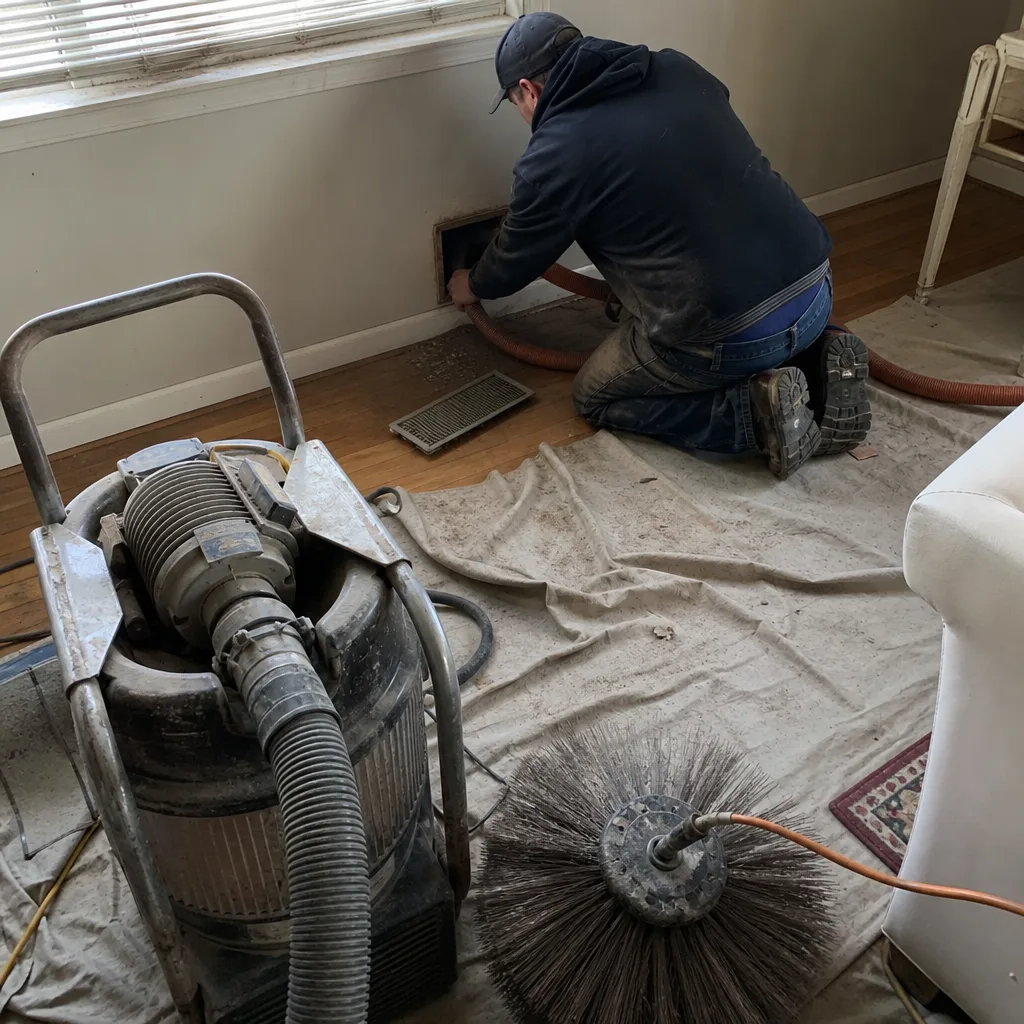 Before
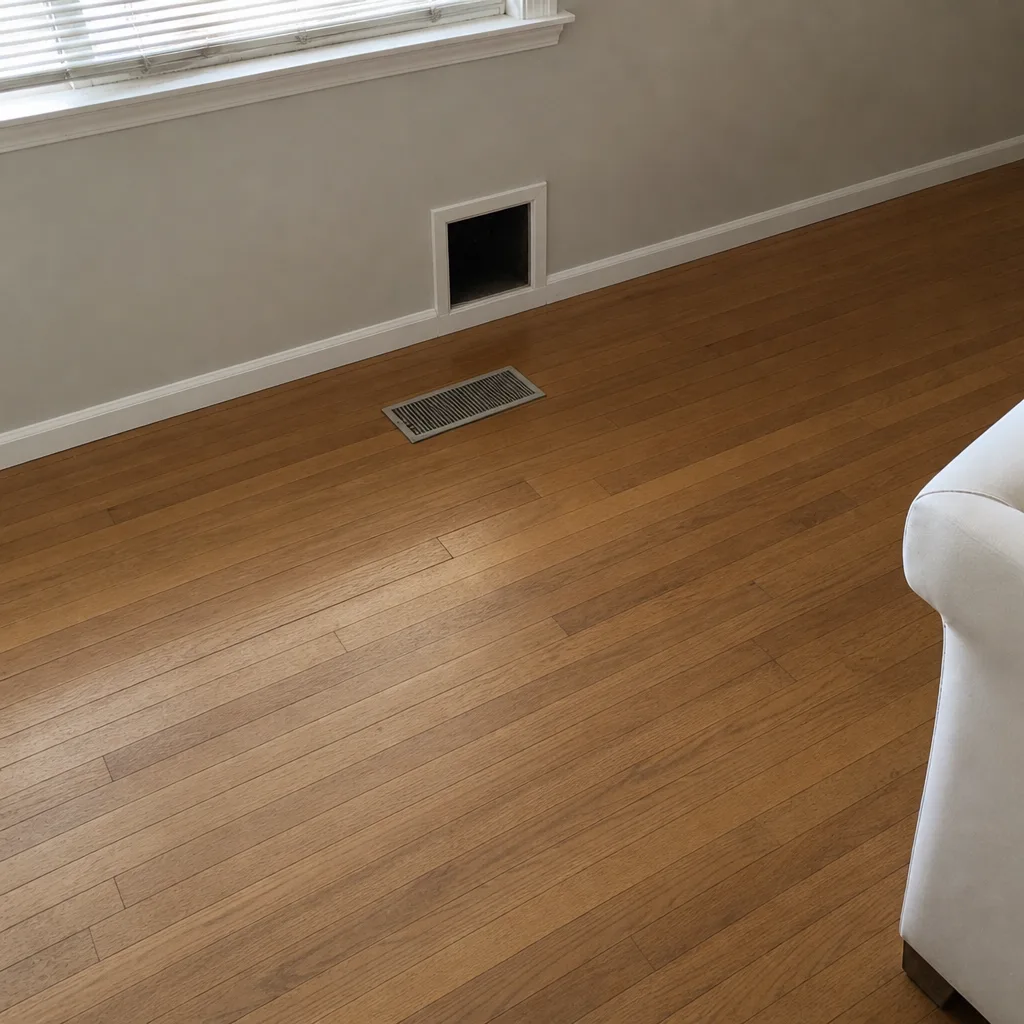 After
When to Call a Professional
There are specific signals that mean it’s time to call. Visible darkening or grey residue on return grilles. A persistent musty smell that gets worse when the heat runs. Rooms that feel under-served or consistently drafty. Condensation or visible damage on duct runs you can see. A significant late-summer smoke event. Any of these means it’s worth an inspection rather than another filter change.
Magnolia Air Duct Cleaning offers free estimates in Magnolia – call (877) 309-8232. We answer 24/7, and fast dispatch runs from 7am to 7pm, Sunday through Friday. One visit can cover the full picture: cleaning, inspection, and repair if needed.
Frequently Asked Questions
A typical whole-system air duct cleaning in Magnolia is quoted per job based on the number of runs, the access to the system, and whether HVAC components need cleaning alongside the ducts. We give a flat price per system after a free estimate, so you know the final number before work starts. The written estimate sets the price – there are no per-vent charges and no teaser coupons that turn into a larger invoice on the day of the visit. Call (877) 309-8232 for an exact quote – estimates are free.
Cheap quotes usually reflect a smaller scope: fewer runs cleaned, the HVAC components skipped, and equipment that isn’t built for whole-system work. A shop vac will pull surface dust from the first few feet of a duct run and leave the rest behind. The difference between that and a professional cleaning with rotating brush and negative pressure is the difference between a surface wipe and a real clean. Call (877) 309-8232 if you want to compare what a full-system quote covers.
Ask for before-and-after photos of your own ducts. A crew that takes photos before and after each run gives you a record you can see, and that record is the whole reason we work that way. If a crew can’t or won’t show you photos, that’s a signal. Call (877) 309-8232 to see how a Magnolia cleaning is documented.
Once a year covers most Magnolia homes, ideally in the fall after the smoke season and before the humidity returns. Homes with pets, allergies, or a recent smoke event may benefit from a second cleaning in late spring after the pollen peak. Call (877) 309-8232 to talk through what fits your home.
You can handle the seasonal prep – filter changes, visual checks, crawl space moisture readings – and those tasks genuinely matter. What you can’t do yourself is whole-system cleaning, because it needs negative pressure and agitation equipment that homeowners don’t have. A DIY shop vac approach tends to stir up more than it removes. Call (877) 309-8232 when you’re ready for a professional clean.
Change the filter, check return grilles for grey residue, and if the residue is visible or the smell persists, schedule an inspection. A filter change handles what’s passing through going forward, but it doesn’t clear what’s already settled in the ductwork. Call (877) 309-8232 and we’ll help you decide whether an inspection or a full cleaning makes more sense.
The Bottom Line
Magnolia’s seasonal care guide doesn’t look like the generic advice. The real pressure points here are late spring pollen and late summer smoke, with fall humidity adding a moisture problem that most other climates don’t have to think about. The care plan that works is built on monthly filter checks through spring, crawl space moisture monitoring through fall, and one professional cleaning in early fall to clear the year’s accumulation and inspect the duct runs before the wet season stresses them. That rhythm covers most Magnolia homes, and it’s easy to keep to once it’s in place.
If you’d like a professional look at your own system, call Magnolia Air Duct Cleaning at (877) 309-8232. We answer 24/7. Fast dispatch from 7am to 7pm, Sunday through Friday. Estimates are free, the price is set per job by the written estimate, and we take before-and-after photos of your own ducts so you can see what changed.
Written by the team at Magnolia Air Duct Cleaning.