
Last updated November 24, 2026
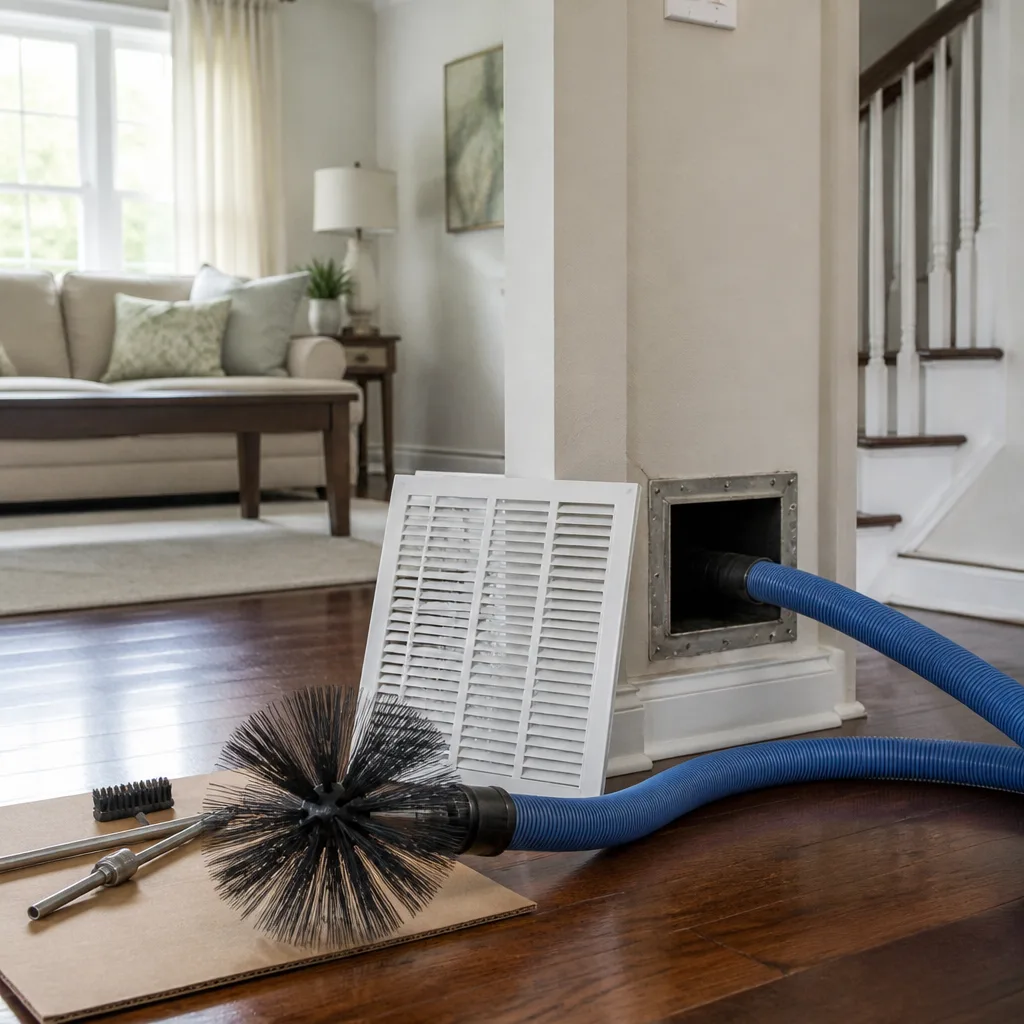 Whole-home duct cleaning
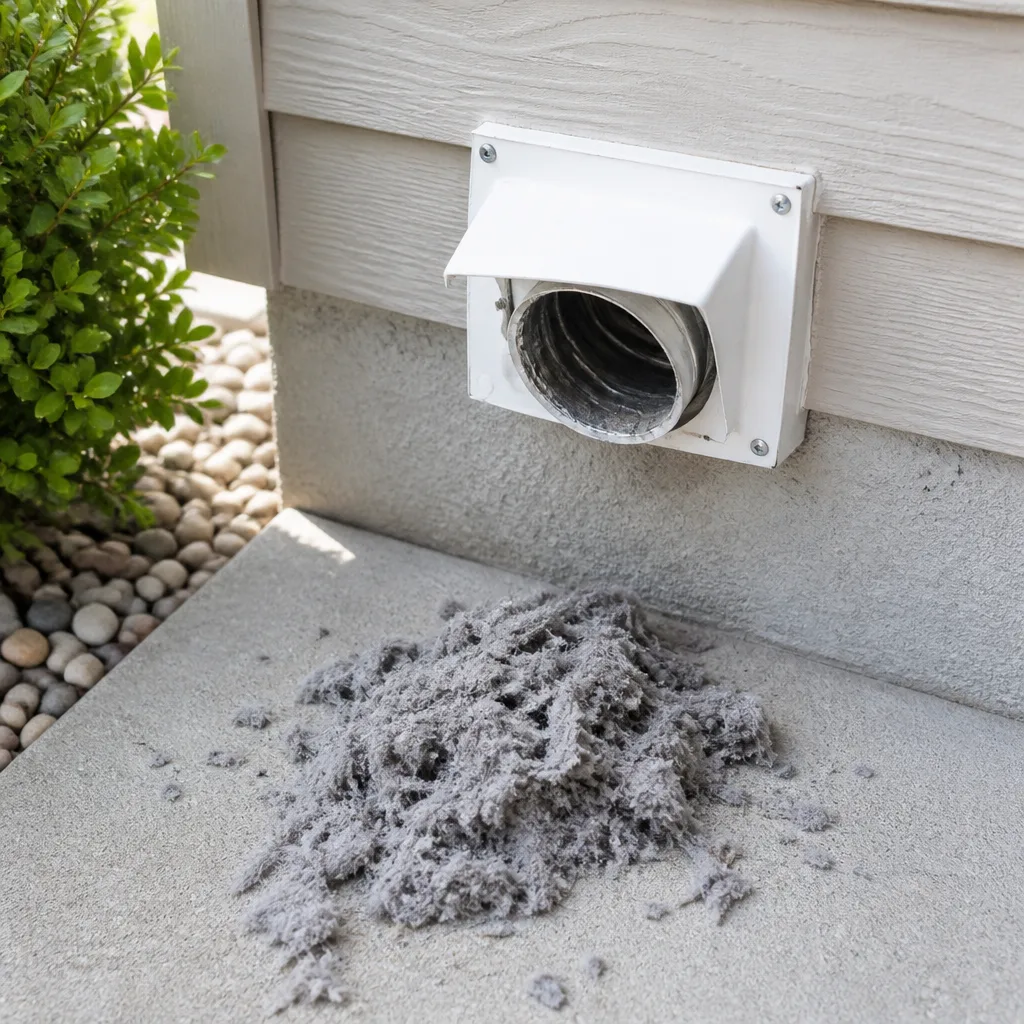 Dryer vent cleaning
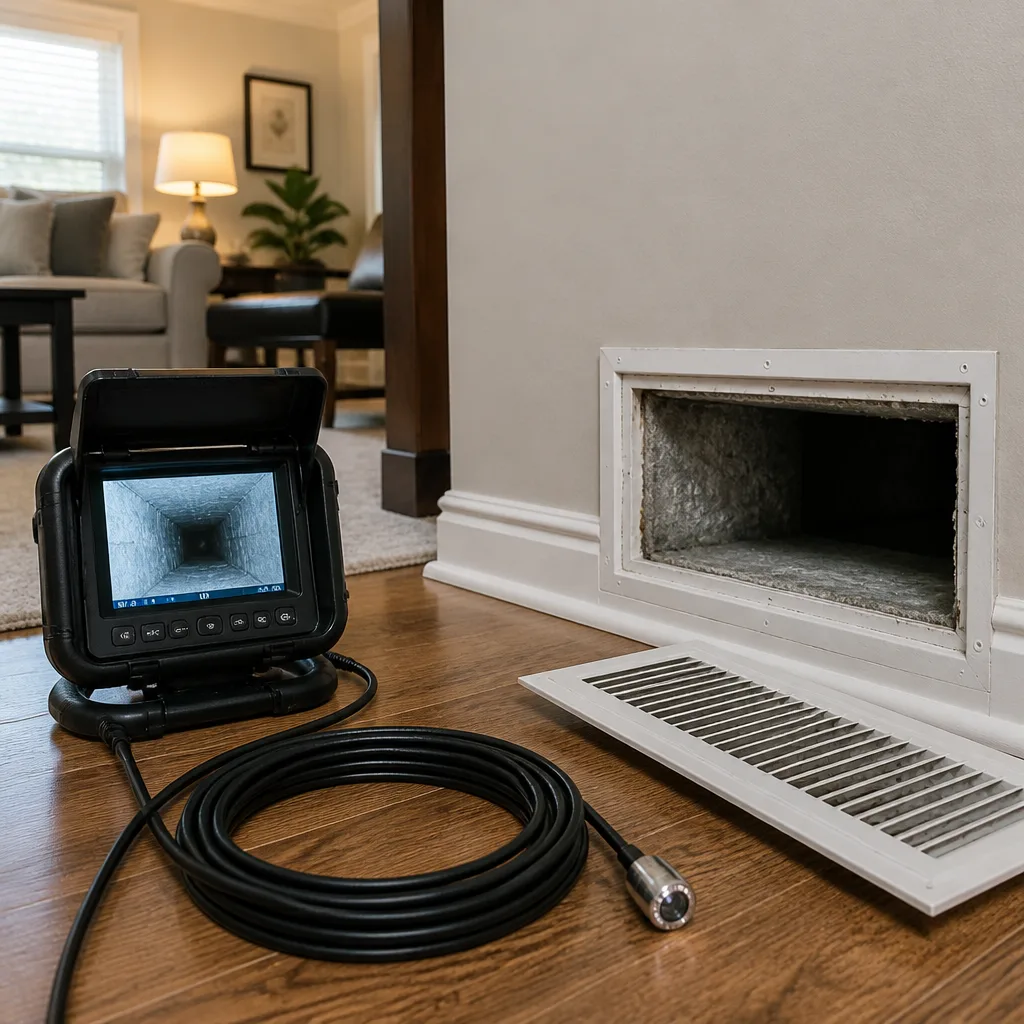 Camera inspection
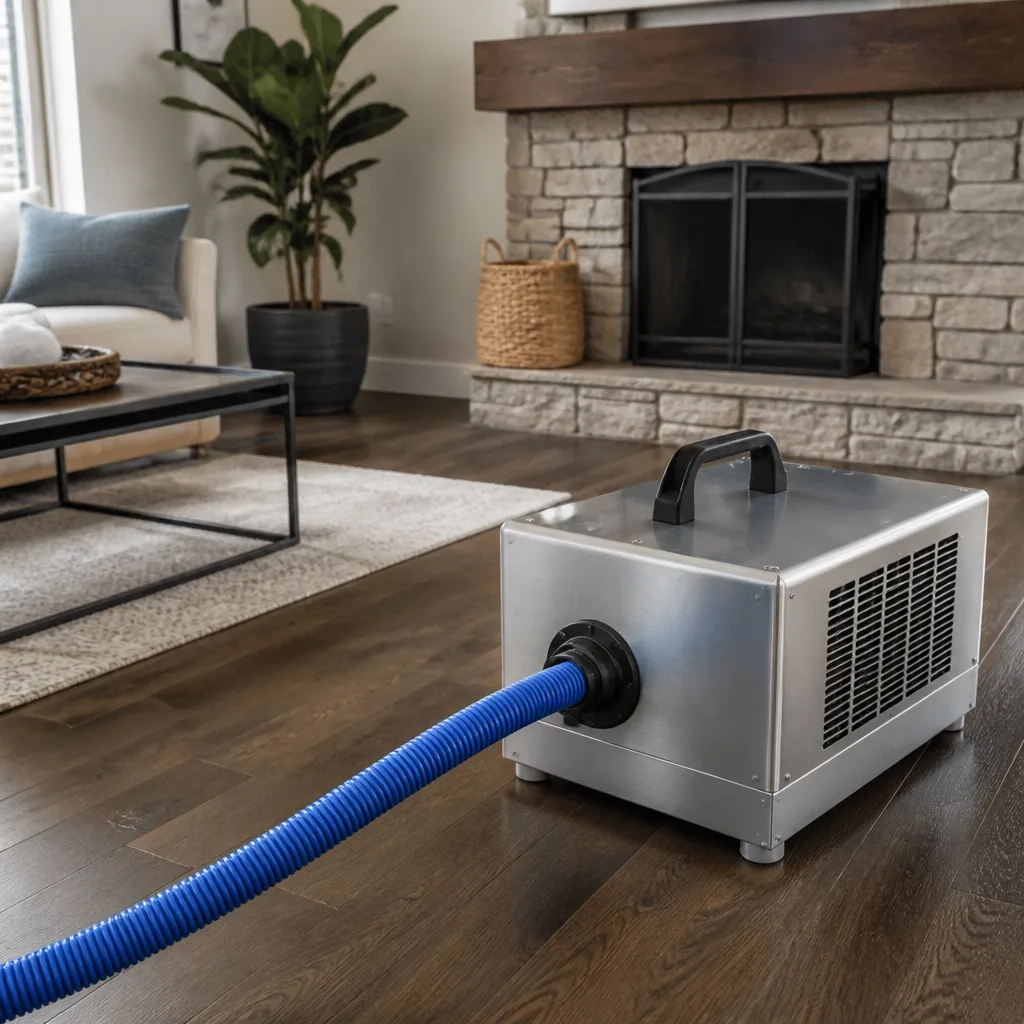 Sanitizing & deodorizing
Whole-system duct and dryer vent check with before-and-after photos - you see exactly what came out of your vents
That "$99 whole-house special" is a bait ad - the real number appears once they are in your hallway, or the "clean" is a shop-vac at the register. We photograph the inside of your ducts before and after instead.
Air Duct Cleaning Permits, Codes & Inspections in Magnolia, WA: What You Need to Know
No one pulls a permit to vacuum a duct. But when a technician recommends sealing disconnected duct sections, cutting into a plenum, or modifying your air handler, you’ve crossed from cleaning into work that Washington State and King County may want documented. Most Magnolia homeowners never ask which side of that line a job falls on, and that gap is where unpermitted work quietly accumulates. This guide draws the line clearly: what cleaning actually is, when duct repair and sealing tip into permit territory, how licensing works, and what can surface when you sell a Magnolia home. By the end you’ll know exactly what to ask before you authorize anything beyond a cleaning.
Quick Answer
Routine air duct cleaning in Magnolia does not require a permit. Duct repair, duct modification, and HVAC work connected to the air handler, plenum, or system layout generally do require a mechanical permit from the local building department, and the contractor performing that work must be a licensed mechanical contractor. If a company recommends anything beyond cleaning, ask them to tell you which parts are cleaning and which are permitted mechanical work.
Styles & brands we work with
- Whole-home duct cleaning
- Dryer vent cleaning
- Camera inspection
- Sanitizing & deodorizing
Table of Contents
- Cleaning vs. Repair: Where the Permit Line Actually Sits
- What Washington State’s Mechanical Code Says About Duct Work
- How King County Inspections Apply to HVAC-Adjacent Work
- Two Kinds of Duct Sealing and Why the Rules Differ
- Who’s Actually Allowed to Do This Work
- What Surfaces When You Sell a Magnolia Home
- Questions to Ask Before You Authorize Repair Work
Cleaning vs. Repair: Where the Permit Line Actually Sits
The confusion almost always starts with the same scene. A technician is cleaning the ducts, finds a run that’s come loose in the attic or a joint that’s been leaking for years, and recommends repairing it. Sometimes that recommendation is honest and necessary. Sometimes the same request gets made by companies whose cleaning is a vehicle for an upsell. Either way, the homeowner is standing there trying to figure out whether they’re being sold something they don’t legally need or being warned about something they genuinely do.
The distinction comes down to what happens to the physical system. Cleaning removes debris from a system whose configuration stays the same. That’s a maintenance act. It touches nothing structural, changes no part, and leaves the building’s mechanical layout exactly as it was. No building department has any interest in it. Repair and sealing are different. When you reconnected a collapsed flex run, replace a section of hard duct, seal a plenum joint with mastic, or cut a new register into a wall, you’ve modified the mechanical system. That’s where the rules kick in.
Here’s how we tell a Magnolia homeowner to think about it:
- Cleaning removes dust, debris, and buildup. No permit, no change to the system.
- Duct repair reconnects, replaces, or restores damaged duct sections. Likely permitted mechanical work.
- Duct sealing depends on the method. Physical sealing (mastic, tape, mechanical fasteners, wrapping) is generally treated as repair. Aerosol-based sealing from inside the ductwork is a different conversation.
- System modifications (new runs, relocated registers, plenum changes) are mechanical work that clearly falls under a permit.
We’ve seen this line get blurred in both directions. Companies doing legitimate repair sometimes skip the permit because the job looks small. Companies selling cleaning sometimes “find” a problem that requires a bigger job. Knowing the difference keeps you out of both traps.
What Washington State’s Mechanical Code Says About Duct Work
Washington State adopts the International Mechanical Code as the basis for its statewide mechanical code, and local jurisdictions like Seattle and King County layer their own amendments and permitting processes on top. The mechanical code is where duct work stops being “the stuff in the walls” and becomes regulated work. The code covers duct systems as part of the mechanical installation and their connection to heating and cooling equipment. It has requirements for how ducts are sized, how they’re supported, how they connect to equipment, and how they pass through fire-rated assemblies.
In plain terms for a Magnolia homeowner:
- Duct cleaning is maintenance. The mechanical code does not regulate the act of cleaning a duct system. No permit is filed, no inspection is scheduled.
- Duct repair and replacement fall under the mechanical code because you’re altering a regulated mechanical system. Whether a given repair requires a permit depends on the scope.
- Duct systems crossing fire-rated assemblies have specific code requirements. If sealing or repair work touches a duct penetration through a wall or floor assembly that has a fire rating, that repair becomes code-sensitive.
- Air handler and plenum modifications are clearly mechanical work and generally require a permit.
The takeaway: Washington doesn’t regulate cleaning, and it does regulate repair. Where a specific job sits between those two poles depends on what’s physically being changed. Any contractor who can’t tell you which side their recommended work falls on is telling you something about themselves.
We’ve had Magnolia homeowners ask us to “just seal it” without realizing the seal they were approving reaches into a fire-rated wall. That’s exactly the kind of job that should be permitted, inspected, and documented. It’s also exactly the kind of job a flier-in-the-mailbox operation will do quietly and cash.
How King County Inspections Apply to HVAC-Adjacent Work
Permitting in King County happens through the jurisdiction where the home sits, which in Magnolia means the City of Seattle’s permitting process, not a county-level office. Seattle’s construction and inspections department handles mechanical permits for residential HVAC work, including duct modifications when a permit is required. The process is designed to catch work that was done without one, which is why the paper trail matters when a house changes hands.
When a permit is filed, it typically triggers an inspection. An inspector looks at the installation to confirm it matches the permitted scope and meets code. For a duct repair, that inspection might be brief, but it exists. A licensed mechanical contractor doing significant duct work will file the permit before the work and schedule the inspection after. An unlicensed company will not, and often can’t.
This matters in a city like Magnolia for a couple of reasons. First, Magnolia has a lot of older homes with original ductwork from decades-old forced-air retrofits, and that ductwork has had many years of small repairs, sealant, and patch jobs applied to it by various people. When a modern technician finds a problem, fixing it properly often means undoing previous ad-hoc work, which is real mechanical modification, not a touch-up. Second, Magnolia’s housing stock includes plenty of homes that have been remodeled over the years, and every remodel is a place where duct work could have been moved, cut, or extended with or without a permit. An inspection during a later repair brings that history into the light.
Permits and inspections are there to protect you as the homeowner, not to make a small job feel bigger than it is. If a job is genuinely small and doesn’t require a permit, a straight contractor will say so.
Two Kinds of Duct Sealing and Why the Rules Differ
“Duct sealing” means at least two different things, and the permit consequences are not the same. This is one of the most misunderstood pieces of duct work in Magnolia, and it comes up more than people expect in homes with long, complicated duct runs.
Physical duct sealing
Physical sealing is the hands-on version. It uses mastic, foil tape, mechanical fasteners, and sometimes insulated wrap to close leaks at joints, connections, and plenum seams. A technician can see the leak, reach it, and seal it. This is repair-class work. It restores the system’s original design rather than changing it. Whether a given physical sealing job needs a permit usually comes down to scope: a single sealed joint is one thing, and rebuilding a whole trunk is another. A licensed mechanical contractor can walk the line for you.
Aerosol-based duct sealing
Aerosol sealing injects a fine sealant mist into the duct system while the HVAC fan circulates it. The particles collect at leaks and close them from the inside. It’s effective for hidden leaks in wall and floor cavities, but it’s a distinct process that changes the interior surface of the duct system. In many jurisdictions, aerosol sealing is treated as a modification of the mechanical system rather than a repair, and it should be reviewed against local permit requirements before it’s performed. Some aerosol systems are approved for specific applications in specific ways, and the product literature behind them should be reviewed against the code requirements of the jurisdiction.
Our recommendation: if a company recommends any kind of duct sealing, ask them which kind and whether that kind requires a permit in Seattle. A company that can answer in one sentence without hedging knows their work. A company that says “you don’t need a permit for duct sealing” without asking which kind is telling you they don’t distinguish the two.
Who’s Actually Allowed to Do This Work
Not every duct-related job requires the same license level in Washington. This is the piece most Magnolia homeowners never ask about, and it’s the one that matters most when work goes wrong.
In Washington, a licensed electrical or plumbing contractor is a specific category. Mechanical work, which includes HVAC installation and duct system modifications, is performed by mechanical contractors licensed through the state’s Department of Labor & Industries. General contractors hold their own license. A duct cleaning technician is not automatically any of these. Cleaning is a service, and the company performing it does not need to be a mechanical contractor to clean. When the job shifts from cleaning into duct repair, sealing, or HVAC modification, licensing comes into scope.
Here’s what to know:
- Ask any company recommending repair work whether they hold a valid mechanical contractor license for that work.
- Ask for their license number and verify it through the Washington State Department of Labor & Industries before work starts. It’s a public database and takes minutes.
- Ask whether the company is insured and bonded. The local pro should carry the coverage the state requires for the work.
- If the recommendation is strictly cleaning, licensing isn’t the question. If the recommendation is repair, licensing is the first question.
Washington is a state where it’s easy to look licensed and not be. A company might carry one category of license and perform work in another. That’s exactly the gap that shows up as a permit problem later. Our technicians have up to 10 years of experience and we work with licensed independent professionals, and we’re specific about scope. When something we find during a cleaning crosses into mechanical work, we tell the homeowner what category that work falls into and who’s licensed to do it. If the work is on the cleaning side, we handle it. If it’s on the mechanical side, that’s an honest conversation, not a sales pitch.
While our air duct cleaning service is what brings most Magnolia homeowners to us first, the full-system view – including what to do when a duct problem requires more than cleaning – is what separates a specialist from a coupon crew.
What Surfaces When You Sell a Magnolia Home
Permit history matters most at resale, and Magnolia’s real estate market is one where buyers do their homework. When a house goes on the market, the buyer’s inspector will look at the HVAC system, the attic ductwork, the crawlspace, and any accessible duct runs. They’ll photograph what they find. Uneven patch jobs, connecitons that used the wrong tape, new-looking duct runs with no visible support, and duct modifications that don’t match the original construction drawings are all things an inspector flags.
An unpermitted duct modification isn’t automatically a red flag that kills a sale. But it becomes a negotiating point. The buyer’s agent will raise it. A permit search that turns up nothing for the visible modification gives the buyer leverage to ask for a price reduction or demand a correction before closing. Sometimes both. And if the modification involves a fire-rated assembly, the buyer’s lender or insurer may care more than a typical inspection would.
Here’s what this means for a Magnolia homeowner who has duct work done:
- Keep the paperwork. If a permit was filed, keep the permit number and inspection record with your home files.
- Document what was done. Before-and-after photos of the work, the contractor’s name, the date, and the scope of the work should all go in the file alongside the permit if there is one.
- Know when a permit was actually required. If no permit was filed for a job that needed one, that’s a problem to fix before listing, not during negotiation.
The same logic applies at the point of service. When our team walks a Magnolia home and finds duct work that shows signs of unpermitted modification, we tell the homeowner. Not to alarm them, and not to sell them a repair they don’t need, but because it’s information they’ll need eventually. Our duct repair and sealing service exists because the fix for a badly-modified duct system is usually repairable. When a repair is genuinely needed, we identify the root cause and fix the system, not just the visible symptom.
Questions to Ask Before You Authorize Repair Work
You don’t need to become an expert in the mechanical code to protect yourself. You need five good questions and the willingness to ask them before you nod. Print this list or keep it open on your phone when a Magnolia duct cleaning company recommends something beyond cleaning:
- “Is this work cleaning or mechanical repair?” A straight answer will name which side. Any answer that blurs the two is a warning.
- “Does this work require a permit?” For cleaning, the answer should be a clear no. For repair or modification, a licensed contractor should be able to tell you whether Seattle’s permitting requirements apply.
- “What’s your license category and number, and can I verify it?” The Washington State Department of Labor & Industries database is public. Verification takes minutes.
- “What specifically are you going to change about the system?” Reconnecting a joint is different from cutting a new register. Replacing a flex run is different from rebuilding a plenum. Ask for the scope in plain language.
- “If a permit is required, will you file it before the work starts and schedule the inspection after?” A licensed contractor will. A company that hedges on this is telling you their work isn’t permitted.
One more question worth asking, even if it isn’t in the standard list: “If you find something during cleaning that needs repair, will you finish the cleaning and then quote it, or stop mid-job and quote it?” The answer reveals whether cleaning is the job or the sales lever. We finish the cleaning, quote the repair honestly, and let the homeowner decide. Every time.
If you’re comparing duct cleaning options in Magnolia and want to know what the cleaning side actually involves, our guide to HVAC cleaning and our dryer vent cleaning overview cover the sister services that often come up in the same conversation. Cleaning is a scheduled job, and the right company will set your expectations before the tools come off the truck. Clean the full system, then talk about repair only if the inspection actually supports it.
Common Mistakes to Avoid
- Assuming every job is unpermitted. Cleaning genuinely doesn’t need a permit. Overcorrecting wastes money on permit applications for work that doesn’t require one. Ask the contractor to name the category before you assume.
- Assuming no job is permitted. The opposite mistake. Duct repair and modification are exactly the work that requires a permit, and skipping it can cost you more at resale than the permit would have cost to file.
- Treating all duct sealing as equivalent. Physical mastic sealing and aerosol-based injection are different processes with different permitting implications. Ask which one is being recommended and why.
- Hiring a company whose license doesn’t cover the recommended work. A cleaning technician license doesn’t authorize mechanical work. If the recommendation is repair, the license should match.
- Not keeping the paperwork. If a permit was filed, keep the number. If it wasn’t, document what was done and by whom. Either way, the file matters when you sell.
- Buying duct cleaning from a company that immediately finds expensive repair work. Cleaning is a maintenance service, and a company that finds an “urgent” problem within minutes of arriving should be asked what specific physical evidence supports the recommendation.
- Skipping the pre-work scope conversation. If the work as described could shift once tools are in the system, ask what the maximum scope is before you authorize anything. It’s easier to settle scope on the front end than when the crew is mid-job.
See the difference
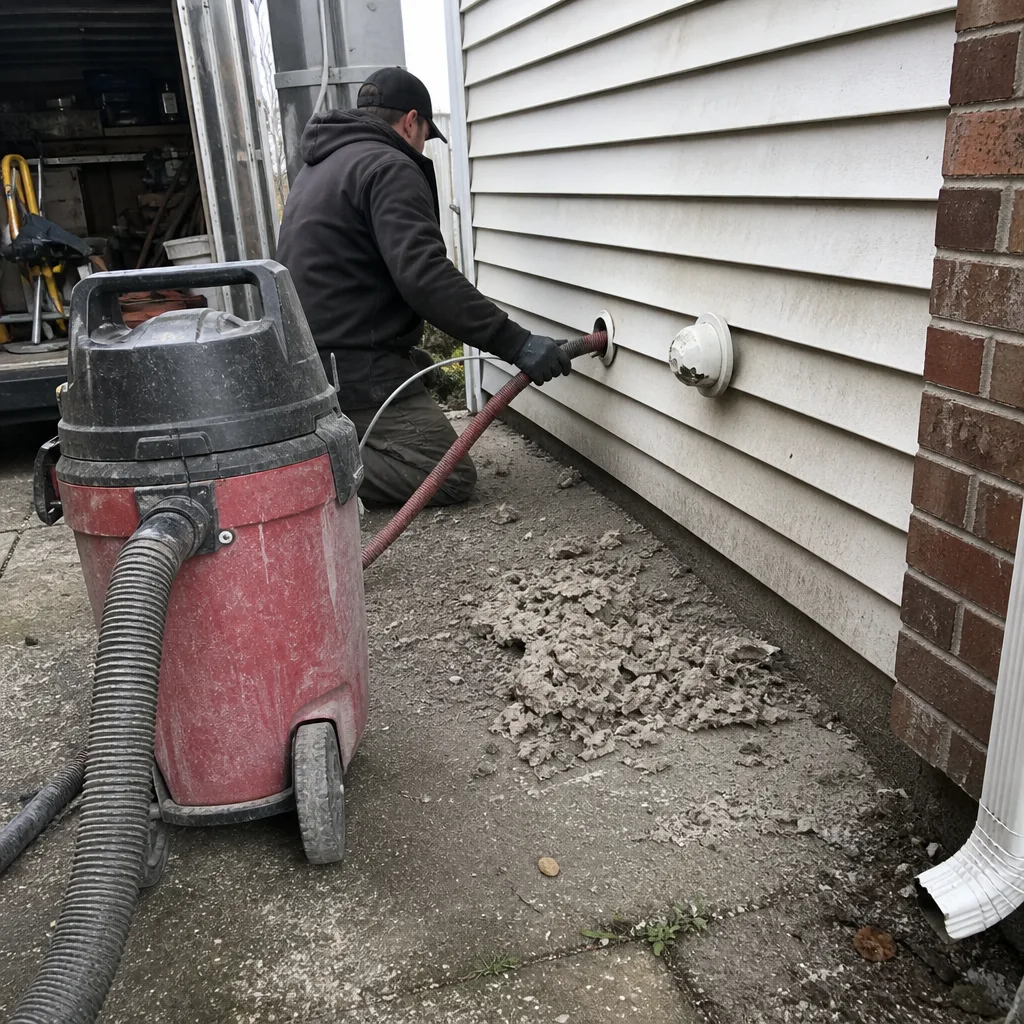 Before
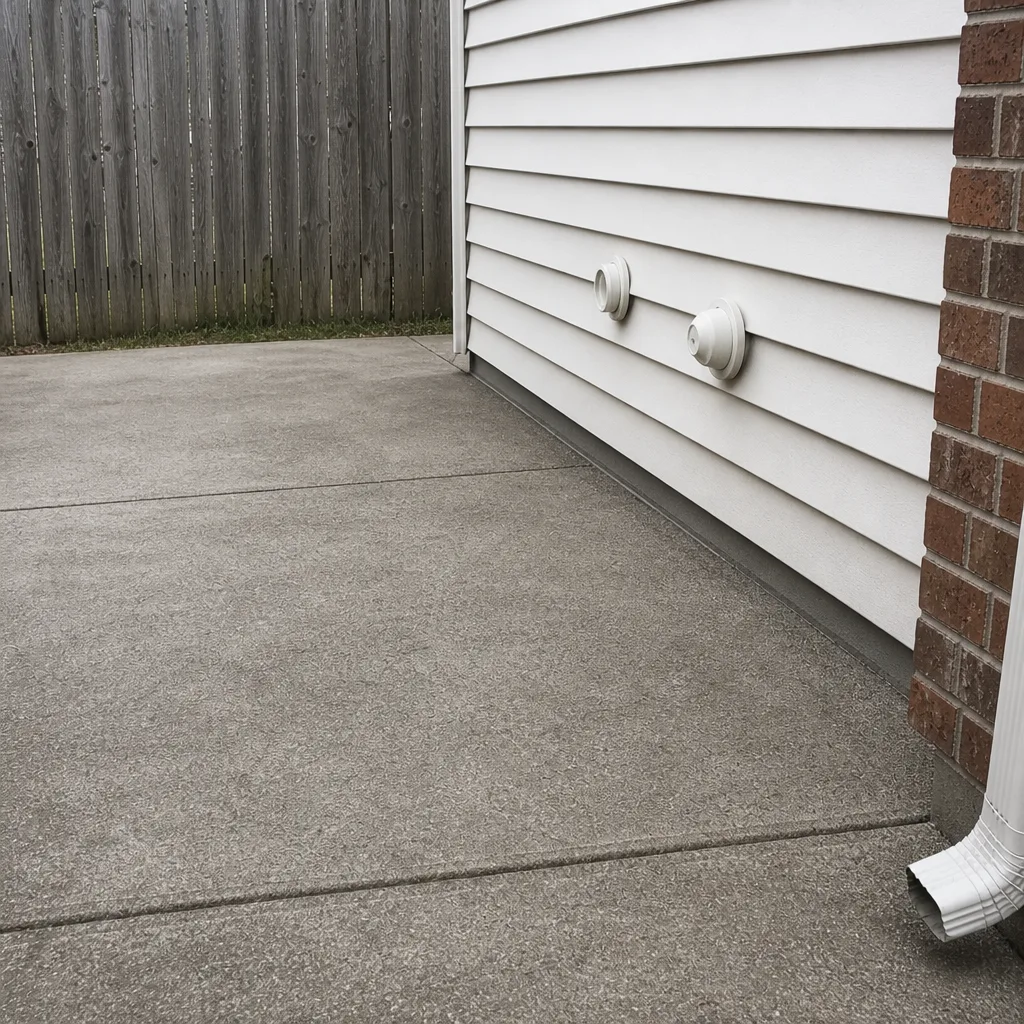 After
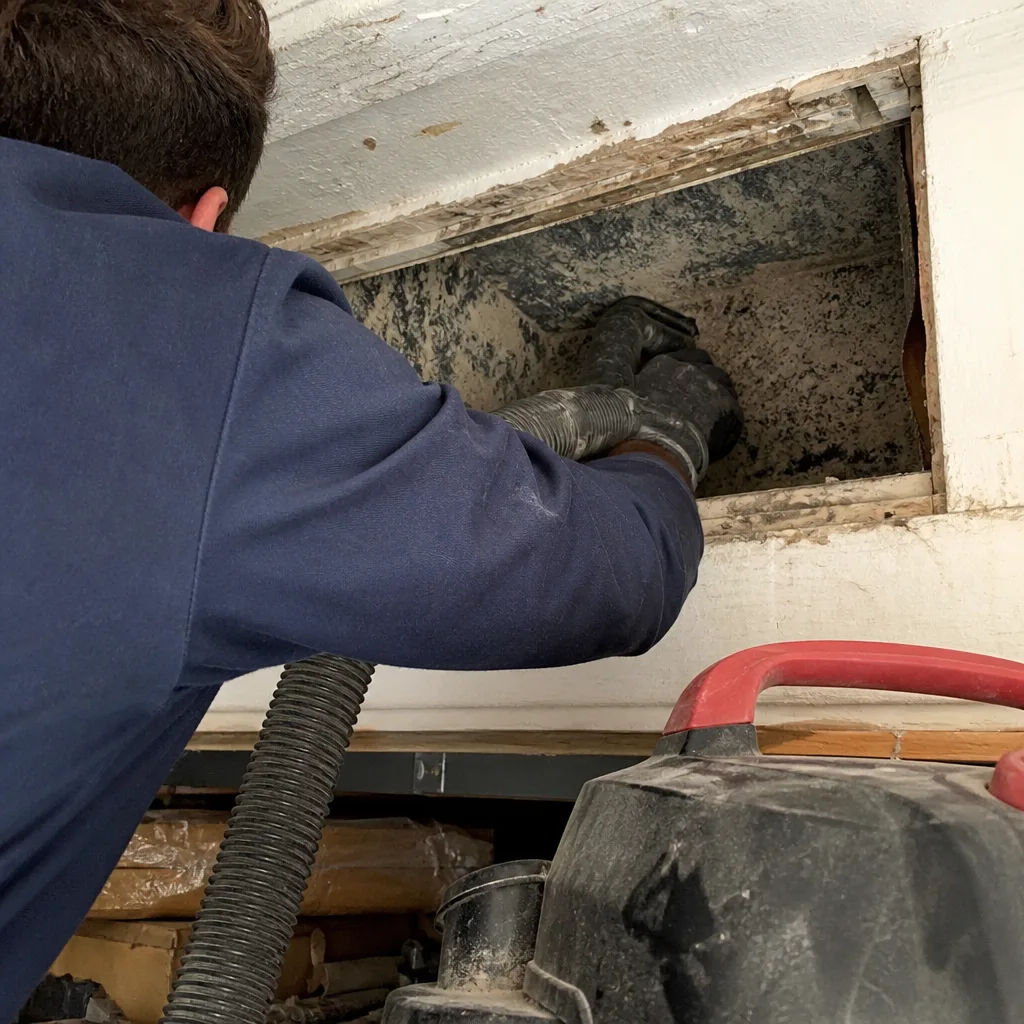 Before
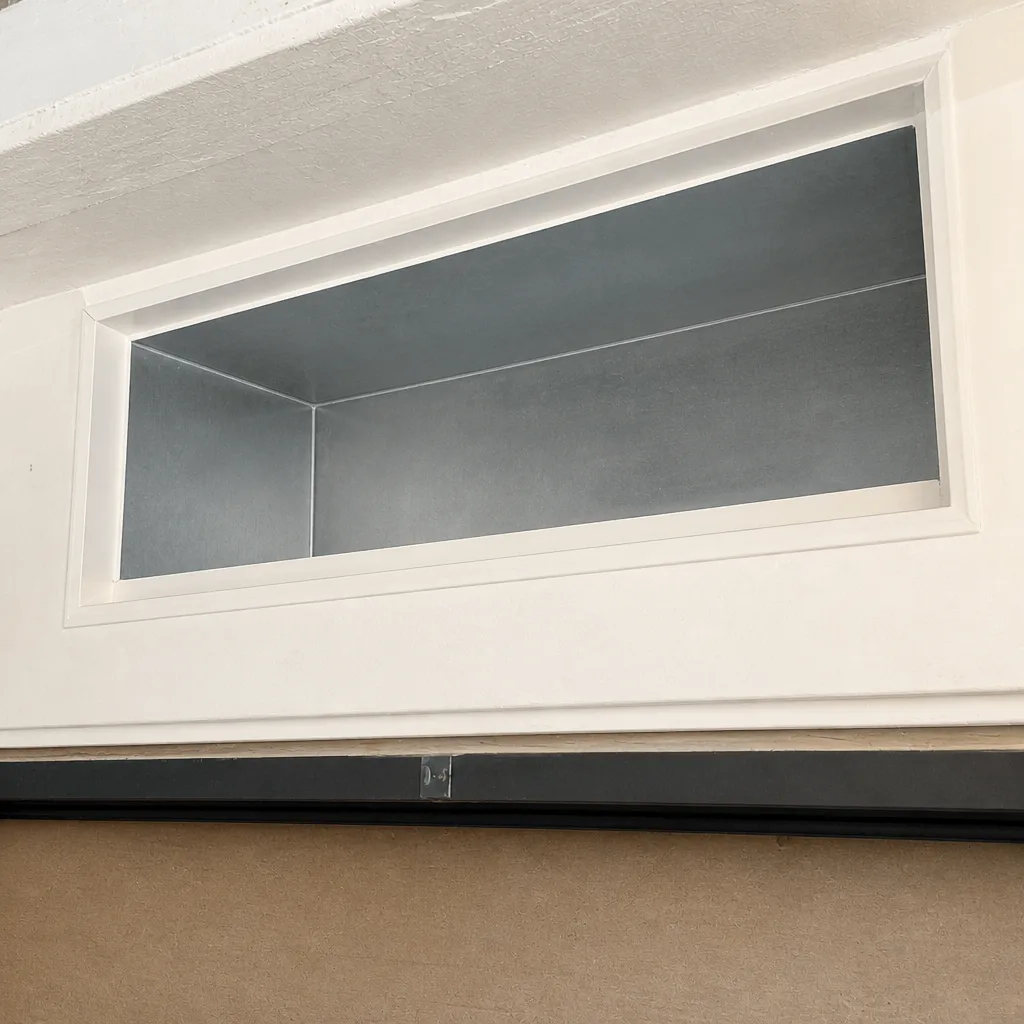 After
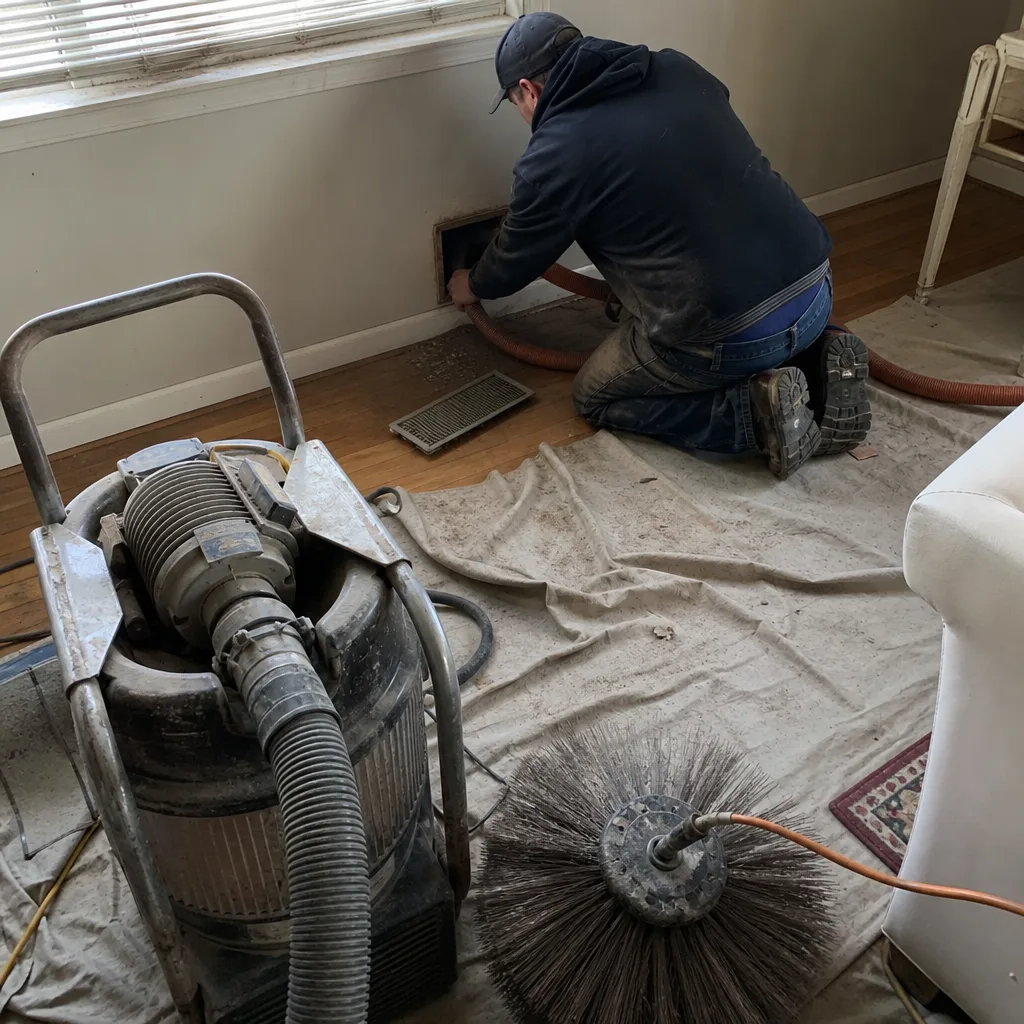 Before
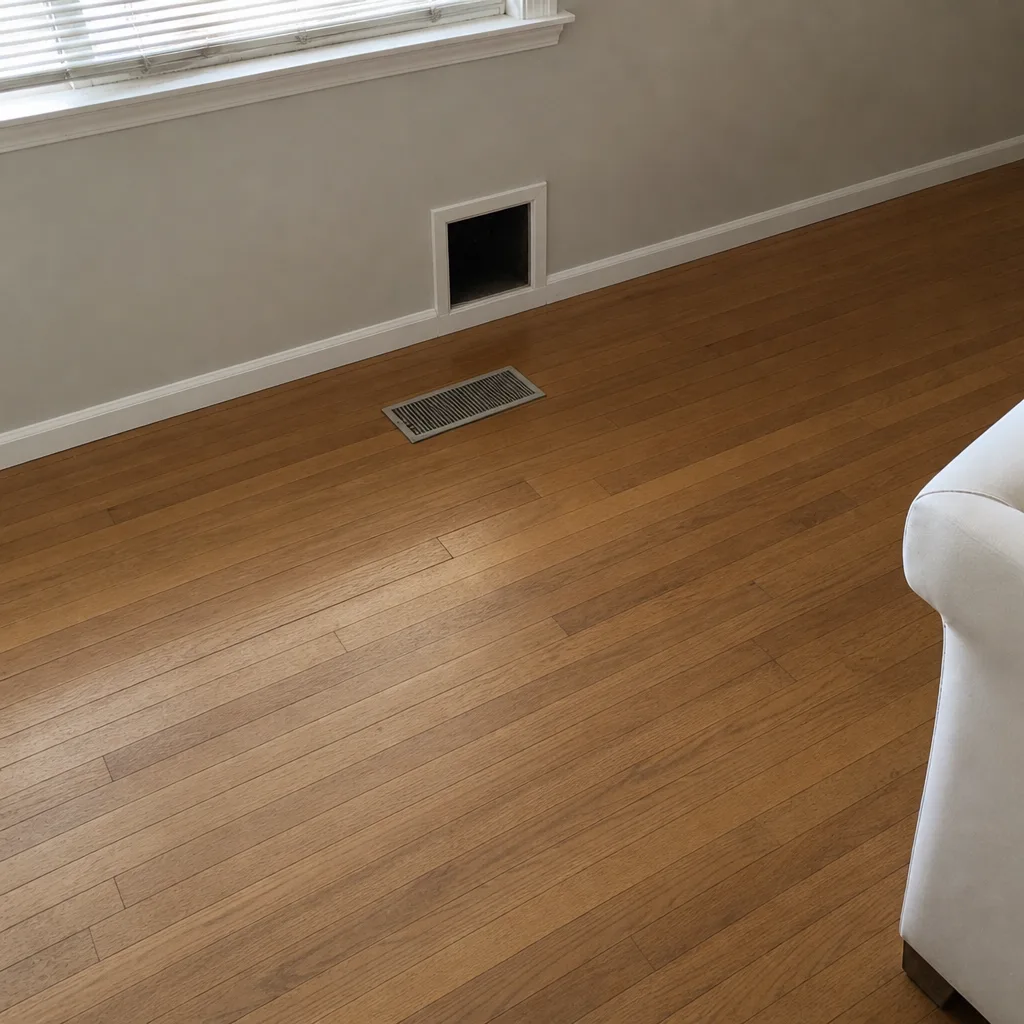 After
When to Call a Professional
You need a professional when you’re not sure whether the recommended work is cleaning or mechanical repair, and you need a factual answer rather than a sales one. In Magnolia, that usually means one of these situations: your ductwork is old and the previous ownership history is unclear; a technician has recommended sealing or repair and you’re not sure whether a permit is part of it; your system has visible duct runs in the attic or crawlspace that look repaired or patched in odd places; or you’re preparing a home for sale and need the duct work reviewed before an inspector finds it. In each of those the answer isn’t to guess. It’s to have a specialist with real equipment – professional-grade Rotobrush and Nikro cleaning systems, Abatement Technologies filtration where contamination is a concern, and the ability to work with Honeywell and Aprilaire whole-home systems – walk the system and tell you plainly what’s cleaning, what’s repair, and what needs a permit. Magnolia Air Duct Cleaning offers free estimates in Magnolia. Call (877) 309-8232. We answer 24/7. Fast dispatch from 7am to 7pm, Sunday through Friday.
Frequently Asked Questions
No. Routine air duct cleaning in Magnolia does not require a permit, because cleaning is a maintenance service that doesn’t alter the mechanical system. No building department has any authority over it and no inspection is involved. The permit question only comes up if the work shifts from cleaning into repair, sealing, or modification of the duct system or HVAC equipment. Call (877) 309-8232 for an exact quote – estimates are free.
It depends on the kind of sealing. Physical sealing with mastic, tape, or mechanical fasteners at joints and connections is usually treated as repair, and whether a permit applies depends on scope. Aerosol-based sealing from inside the duct system changes the interior surface of the ducts and should be reviewed against Seattle’s mechanical permit requirements before it’s performed. If a company recommends any kind of duct sealing without telling you which kind, ask. The answer tells you a lot about the company.
Duct repair and modification are mechanical work, and in Washington that requires a licensed mechanical contractor. Cleaning technicians are a separate category and their license doesn’t authorize mechanical repairs. Before you authorize any repair beyond cleaning, ask for the license number of the company doing the work and verify it through the Washington State Department of Labor & Industries. The local pro should be licensed and insured as their state requires, and that coverage should match the work being done, not just the cleaning.
Yes, and it usually does in a market like Magnolia’s. A buyer’s home inspector will look at the visible duct work in the attic, crawlspace, and mechanical closet. Duct modifications that don’t match the original drawings, unusual patch jobs, or visible connections without a permit history are things inspectors flag, and each one becomes a negotiating point during the transaction. If you had permitted work done, keep the permit number and inspection record with your home files. If you weren’t sure whether a job needed a permit at the time, ask now, not during escrow. Call (877) 309-8232 for an exact quote – estimates are free.
Usually because the quoted price covers only part of the system, or because the low figure is a teaser meant to get a technician to the door. We’ve seen the pattern in Magnolia and elsewhere: a low advertised price that becomes a much larger invoice once the crew is on site, with the difference explained as “unforeseen” duct damage or additional runs. Our pricing is one flat price per system agreed before work starts. No per-vent pricing, no bait price, no surprise additions. Before-and-after photos of your own ducts confirm what was actually cleaned. Call (877) 309-8232 for an exact quote – estimates are free.
Most homes in Magnolia can go several years between cleanings, and the right interval depends on the system, the age of the home, and any recent remodeling or water intrusion. The permit question doesn’t change with cleaning frequency, because cleaning itself never requires a permit. What changes over time is whether repeated cleaning is uncovering repair problems. If a technician recommends repair work rather than another cleaning, that’s when the permit conversation matters. Call (877) 309-8232 for an exact quote – estimates are free.
The Bottom Line
Air duct cleaning in Magnolia does not require a permit. Duct repair, duct sealing that modifies the system, and HVAC modifications connected to the air handler and plenum do, and they need a licensed mechanical contractor doing the work. The gap between those two categories is where unpermitted work accumulates and where it surfaces: at resale, during a buyer’s inspection, and often as a negotiating point in the transaction. Ask the five questions in this guide before you authorize anything beyond cleaning. Verify the license. Ask which kind of sealing is being recommended. Keep the paperwork. The work that gets done in one visit with one system inspected end to end is the work that doesn’t come back as a problem. If you’re not sure which category a recommended repair falls into, call Magnolia Air Duct Cleaning at (877) 309-8232 for a free estimate. We answer 24/7. Fast dispatch from 7am to 7pm, Sunday through Friday. Our technicians have up to 10 years of experience.
Written by the team at Magnolia Air Duct Cleaning.